Vancouver Island 2026 Whale-Watching & Wine Itinerary

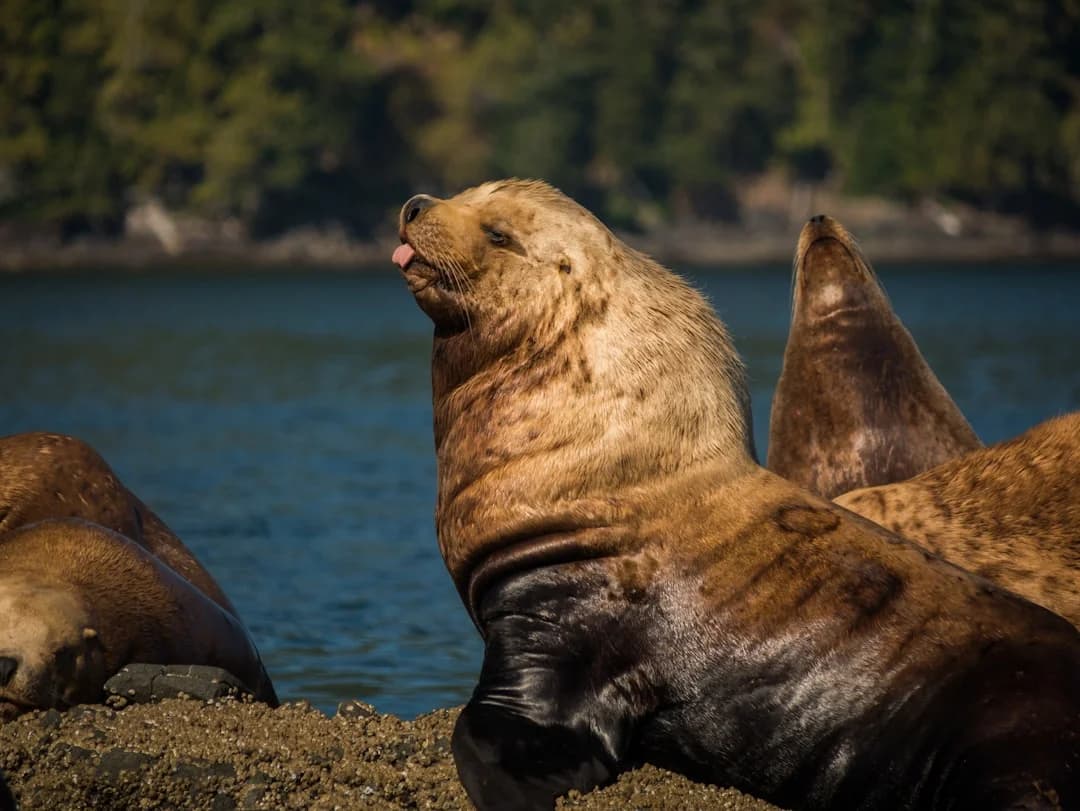
Photo by Lennart Heim on Unsplash
The Vancouver Island whale-watching and wine-tasting itinerary 2026 is shaping up as a data-informed approach to combine two of the island’s most compelling drawcards: whale watching in the Salish Sea and wine touring in the Cowichan Valley. As BC Times reports, readers are seeing more coordinated, knowledge-driven itineraries designed to align wildlife viewing with the island’s growing wine scene. The concept rests on a clear, evidence-based understanding of seasonal patterns and visitor demand, with the aim of delivering a more predictable, high-value experience for travelers and stronger economic benefits for coastal communities. In practical terms, this means tourists can expect itineraries that pair peak whale activity windows with the Cowichan Valley’s 13 official wineries, guided tastings, and locally sourced dining options. This approach matters because it offers a resilient model for sustainable tourism that can weather peaks and lulls in traffic, while supporting small- and mid-sized operators across multiple sectors. Data from industry observers and tourism organizations underscores the potential for higher yield when wildlife experiences are bundled with regional wine tourism, and early promotional efforts suggest real momentum heading into summer 2026. (vancouverisland.travel)
The opening year of the Vancouver Island whale-watching and wine-tasting itinerary 2026 is being framed around a data-driven understanding of seasonality, customer preferences, and regional capacity. The plan emphasizes synchronizing whale-watching opportunities with Cowichan Valley’s wine calendar, leveraging established tasting room networks and known wildlife hotspots to create a seamless travel arc. Industry stakeholders have highlighted that the combination taps into two of Vancouver Island’s most reliable drawcards—wildlife cruises and vineyard experiences—while also encouraging longer stays and cross-promotional marketing that benefits hotels, transportation providers, and food-service businesses. Destination BC and Tourism Cowichan data show sustained interest in wildlife experiences and wine tourism, reinforcing the rationale for coordinated itineraries that make it easier for visitors to plan a multi-activity trip in a single trip. The immediate impact includes more prepared itineraries and promotions for summer 2026, with operators in Nanaimo, Duncan, and Victoria exploring joint tours and bundled packages. (vancouverisland.travel)
Section 1: What Happened
Industry Convergence Gains Momentum
Across Vancouver Island, tourism operators and regional promotion agencies are reporting growing interest in cross-promotional itineraries that couple whale watching with wine tastings. Cowichan Valley wineries, long a staple of Vancouver Island’s wine scene, are increasingly partnering with wildlife-tour operators to offer integrated experiences. The Cowichan Valley, officially recognized as Vancouver Island’s premier wine region, hosts a network of more than a dozen wineries and tasting rooms, with a map to guide visitors through estate vineyards and cellar doors. This infrastructure makes it feasible to design multi-stop itineraries that include daily whale-watching departures and afternoon tastings or vineyard tours. Industry players note that these partnerships are not only about convenience; they are about delivering data-informed experiences that align with peak wildlife viewing windows and peak wine tourism periods. For example, the Cowichan Valley Wine Map highlights the density and quality of local wineries, supporting coordinated planning for visitors who want to maximize both wildlife sightings and wine tastings in a single trip. (tourismcowichan.com)

In practical terms, several operators have begun to advertise bundled offerings that combine a morning whale-watching cruise with an afternoon winery visit or tasting session. Tour providers in the Cowichan Valley and nearby Nanaimo regions frequently feature tasting experiences in the valley on their day-tour menus, and some services advertise private or small-group options that can be customized to accommodate wildlife-watching departures and winery reservations on the same day. Warmland Tours, for instance, emphasizes winery tastings in the Cowichan Valley as part of its broader tour catalog, illustrating how wine-tasting experiences are becoming a standard complement to wildlife-focused excursions. This trend reflects a broader shift toward multi-experience itineraries that make efficient use of transportation corridors and regional tourism assets. (warmlandtours.ca)
Cowichan Valley wineries and wine-tour operators are also expanding their own offerings. The Cowichan Wine Trail showcases a cluster of vintners and producers that are both accessible to visitors and capable of hosting diverse tasting experiences, from structured flights to vineyard tours and food-pairing sessions. Tourism Cowichan’s wine-focused resources detail the scale and variety of local options, underscoring the region’s readiness to support coordinated itineraries that pair with whale-watching activities. In addition to the core wineries, a suite of cideries, meaderies, and distilleries enriches the region’s tourism mix, enabling more flexible, all-day itineraries that can be tailored to family-friendly or adult-focused audiences. (tourismcowichan.com)
Seasonal Windows and Logistics
The core logic behind any Vancouver Island whale-watching and wine-tasting itinerary 2026 rests on widely acknowledged seasonal windows. Whale-watching activity on the island’s waters is typically strongest in the spring through fall, with peak months often cited as April through October. Operators commonly note that humpback whales and Bigg’s (transient) orcas are more visible as the weather warms and ocean conditions stabilize, though sightings remain contingent on marine conditions and wildlife behavior. Telegraph Cove, a well-known departure point on northern Vancouver Island, emphasizes the April-to-October peak season and advises advance booking during peak months to secure spots on popular tours. These seasonal patterns are echoed by several other operators and regional tourism guides, which align wildlife viewing with the spring-to-fall calendar to boost predictability for travelers and operators alike. (vanislewildlife.ca)
Meanwhile, wine tourism in the Cowichan Valley has matured into a year-round draw, with many wineries offering tastings and experiences outside peak harvest seasons. The Cowichan Valley’s wine map and official tourism resources highlight the region’s enduring appeal, while private operators and transport services indicate continued activity beyond the traditional high-season months. For travelers, this means a sustained opportunity to pair a whale-watching day with a winery visit, even outside the sunniest months, provided reservations and schedules are coordinated. Several local wine-tour companies advertise flexible, year-round options designed to accommodate varied travel calendars, supporting sustained demand for combined itineraries. (tourismcowichan.com)
Key players in the space include established whale-watching operators around Nanaimo, Victoria, and the northern Salish Sea corridor, as well as Cowichan Valley wineries and wine-tour specialists. The whale-watching segment has matured into a data-informed industry with a growing emphasis on responsible viewing practices and naturalist commentary, while the Cowichan wine scene benefits from a classic regional terroir and a stable slate of tasting room experiences. Industry researchers and journalists have noted that coordinated itineraries can improve visitor satisfaction and spending while reducing friction in booking and logistics for travelers. The convergence of these industries is part of a broader trend toward integrated tourism experiences in British Columbia, where regional partnerships and cross-promotion amplify the appeal of a single trip. (vancouverislandwhalewatch.com)
Key Players and Partners
The Vancouver Island whale-watching landscape features several well-known operators that provide guided tours, wildlife interpretation, and marine-education experiences. The Whale-Watching ecosystem on the island also benefits from cross-regional collaboration with operators across the Salish Sea, as well as from data-driven guidance drawn from networks like the Pacific Whale Watch Association, which tracks sighting data and vessel interactions. In 2025, a broad regional dataset highlighted the scale of whale activity and human involvement in protecting whales during watch tours, underscoring the importance of responsible tourism and proper scheduling to maximize sightings while minimizing disruption to marine life. The integration of these insights into itineraries helps ensure that travelers have meaningful experiences while supporting conservation objectives. (axios.com)
On the wine side, Cowichan Valley wineries act as the backbone of the itinerary, supported by a robust network of tasting rooms, winery tours, and experiential offerings. Tourism Cowichan’s guidance emphasizes the region’s status as Vancouver Island’s official wine region and catalogues the wineries, tasting rooms, and collaborative experiences that travelers can expect when planning a combined whale-watching and wine-tasting trip. In practice, visitors can choose from a menu of options, including full-day tours that visit multiple producers, curated lunch-and-tine experiences, and private, behind-the-scenes tastings at select estate wineries. The Cowichan Valley Wine Map and related materials serve as essential planning tools for travel buyers and operators seeking to design efficient, high-value itineraries. (tourismcowichan.com)
Section 2: Why It Matters
Economic and Regional Impacts
The convergence of Vancouver Island whale-watching and wine-tasting experiences matters economically for multiple reasons. First, it supports a broader ecosystem of small businesses across coastal communities, from charter operators and boat crews to tasting-room staff, accommodations, and transportation providers. Cowichan Valley’s wine scene, officially recognized as Vancouver Island’s premier wine region, comprises more than a dozen wineries and a network of associated services. The ability to shuttle travelers between whale-watching depots and winery venues increases per-visitor spend and length of stay, which is particularly valuable in shoulder seasons when volumes may dip. Tourism Cowichan’s materials and related winery maps indicate a regional strategy built on a diverse range of experiences that together create a more resilient tourism economy. In short, the itinerary concept aligns with broader efforts to diversify product offerings and sustain jobs in smaller communities. (tourismcowichan.com)
A second, closely related benefit is experiential diversification. Visitors increasingly seek multi-activity days that allow them to sample wildlife experiences and regional culinary or beverage offerings within a coherent travel arc. The Cowichan Valley’s wine map and related promotion materials reflect a mature, package-ready market with clear routes, winery partnerships, and visitor information designed to simplify planning. For travel businesses, bundling whale-watching with wine-tasting can improve conversion rates and reduce seasonality risk by creating appealing, cross-promotional packages that appeal to both wildlife enthusiasts and oenophiles. This trend is consistent with broader tourism patterns in British Columbia, where official tourism bodies are encouraging multi-stop itineraries that showcase regional strengths and support sustainable growth. (tourismcowichan.com)
A third dimension of importance lies in sustainability and stewardship. The data-driven approach to itineraries emphasizes responsible wildlife viewing, with operators and regulators prioritizing conservation, safe distances, and environmentally sound practices. The 2025–2026 data pool from regional whale-watch activity, including reports of sightings and human interactions, points to ongoing engagement between conservation groups and industry players to minimize disturbances while maximizing educational value for visitors. This dynamic informs itinerary design by balancing demand with ecological constraints and ensuring the long-term viability of both whale populations and the wine-tourism ecosystem. News outlets and data-focused reports from the Salish Sea region reinforce that whale populations remain dynamic and that monitoring and responsible-tourism practices are essential to keep these experiences sustainable. (axios.com)
Traveler Experience and Accessibility
From the traveler’s perspective, the integrated itinerary concept promises improved planning clarity and a more seamless day-by-day experience. The Cowichan Valley has matured into a turnkey wine-tour destination, with numerous operators offering day tours that visit several wineries, often with lunch or tasting flights included. Limo Wine Tours of Victoria and the Cowichan area highlight that private, concierge-style wine tours are available, with a focus on transporting guests from winery to winery with comfort and efficiency. The availability of year-round wine-tasting options, in particular, makes it possible to build itineraries that incorporate a whale-watching excursion outside peak summer months, potentially appealing to travelers seeking off-peak pricing or tighter schedules. In short, the evolving ecosystem supports more predictable, bookable experiences that travelers can combine into a single, well-planned trip. (lalimo.ca)
Beyond the Cowichan Valley, other Vancouver Island communities offer complementary experiences. For example, Nanaimo-based tour operators are promoting a range of day tours that blend local food and drink with cultural and natural history experiences, creating a broader market for wildlife-based itineraries. Official tourism guidance and local operator promotions emphasize a collaborative approach to product development and marketing, which is a hallmark of the island’s competitive tourism landscape. The net effect is a more robust, more accessible product for both domestic and international travelers, with the potential for higher visitor satisfaction and longer stays. (vancouverislandexpeditions.com)
Environmental and Sustainability Considerations
As the industry grows, environmental safeguards remain central to the itinerary’s viability. The Salish Sea and Vancouver Island waters host a diverse assemblage of megafauna, including humpback whales, gray whales, and orcas, with sightings influenced by ocean conditions, prey availability, and climate-driven shifts in migration patterns. The data-driven narratives emerging from 2025 and 2026 suggest that while overall sightings may be up in some species, the southern resident orcas face ongoing vulnerability and require careful management of human interactions. Operators and researchers emphasize responsible viewing, adherence to established distance guidelines, and the use of trained naturalists on board to educate travelers about conservation priorities. These considerations feed directly into itinerary design by prioritizing low-impact routes, small group sizes, and transparent communication about wildlife activity and risks. (axios.com)
Investors and policymakers are also paying attention to how integrated itineraries affect regional planning. Destination BC and Tourism Vancouver Island data highlight seasonal patterns, visitor demand, and the importance of year-round offerings to sustain communities. Such data helps itinerary developers forecast demand, price sensitivity, and capacity requirements, enabling more precise planning and better resource allocation. In this context, the Vancouver Island whale-watching and wine-tasting itinerary 2026 becomes not only a consumer-facing product but also a model for data-informed, collaborative regional tourism development. (destinationbc.ca)
Section 3: What’s Next
Milestones to Watch in 2026
As 2026 unfolds, several milestones will be important to monitor for the Vancouver Island whale-watching and wine-tasting itinerary. First, more formal cross-promotional packages are likely to roll out, integrating whale-watching departures with beloved Cowichan Valley winery destinations. The Cowichan Valley’s official promotion channels, including the Cowichan wine map and partner listings, indicate ongoing growth in collaborative marketing efforts, which suggests that some packages could be rolled out as early as Q2 2026, with expanded offerings through late summer and into early autumn.(tourismcowichan.com)
Second, availability and accessibility improvements are anticipated as operators coordinate schedules and reservations more tightly. Year-round wine-tasting experiences combined with seasonal whale-watching departures require synchronized booking systems and shared calendars among operators, transport providers, and lodgings. The existence of multiple private-tour operators offering year-round wine-tours (for example, Limo Wine Tours) demonstrates ongoing capacity for flexible scheduling, which could accelerate integrated itinerary deployments in 2026. Travelers should watch for consolidated booking portals, real-time vacancy updates, and bundled pricing that reflects joint promotions. (lalimo.ca)
Third, sustainability metrics and reporting are expected to feature more prominently in itineraries. As data on whale populations and human-wildlife interactions continues to accumulate, itinerary designers are likely to incorporate more explicit conservation messaging, responsible-tourism benchmarks, and educational components into their products. This trend aligns with broader BC tourism expectations around sustainable travel and wildlife viewing stewardship, as reflected in industry toolkits and seasonal guidance from Destination BC and Tourism Vancouver Island. Travelers can anticipate more transparent communication on wildlife interaction policies and environmental safeguards associated with integrated tours. (destinationbc.ca)
How to Plan and Book
For readers who want to pursue the Vancouver Island whale-watching and wine-tasting itinerary 2026, a practical approach is to start with a centralized planning framework that highlights regionally significant assets. Begin with the Cowichan Valley’s official wine map to identify wineries that align with your interests, whether you prefer Pinot Noir tastings, sparkling wines, or estate tours. The map and related Tourism Cowichan resources provide a solid starting point for creating an efficient route between tasting rooms and coastal departure points for whale-watching tours. When planning, consider whether you want a single-day experience or a multi-day itinerary that includes overnight stays in both the Cowichan Valley and coastal communities such as Nanaimo or Victoria. (tourismcowichan.com)
Next, check with local whale-watching operators for departure times, viewing windows, and capacity limits. In particular, the peak season tends to run from spring through fall, with variations by operator and location. Booking early for peak months—especially during the shoulder periods when whale activity is high—can help ensure you secure a spot on a preferred departure. Operators commonly offer a range of options, from half-day to full-day tours, with naturalist commentary and family-friendly experiences. Arranging a whale-watching excursion to coincide with winery visits requires careful scheduling and a clear understanding of travel times between depots, harbors, and tasting-room locations. (vanislewildlife.ca)
Finally, leverage bundled packages when available. Winery-tour operators around the Cowichan Valley advertise multi-stop itineraries that visit 3–4 wineries with lunch or tastings included, making them well-suited for integration with a whale-watching day. If you’re booking independently, you can design a day that begins with a morning whale watch and ends with a relaxed afternoon of tastings, or you might opt for a private, concierge-style experience that sequences a private boat tour with a tailored winery itinerary. Themarket presence of year-round wine tours and the growing network of winery partners support the feasibility of these plans. (cowichanwinetours.com)
Closing
As Vancouver Island markets move toward integrated wildlife and wine experiences, readers can expect more data-driven itineraries that emphasize seasonality, accessibility, and sustainability. The Vancouver Island whale-watching and wine-tasting itinerary 2026 represents a broader shift in regional tourism toward cross-sector collaboration, leveraging established winery networks and reliable wildlife viewing opportunities to deliver richer, more resilient travel options. For travelers and industry stakeholders alike, the path forward involves continued coordination among operators, regional tourism bodies, and conservation partners to ensure that the island’s wildlife—and its wines—are enjoyed responsibly, today and for generations to come. The coming months will reveal how these partnerships crystallize into concrete itineraries, booking platforms, and promotional campaigns designed to make Vancouver Island a premier, data-driven destination for experiential travel in 2026 and beyond.
Travelers planning their trips should stay tuned to Tourism Cowichan’s official channels, the Cowichan Valley wine map, and local whale-watching operators for the latest schedule updates, availability, and bundled offers. By combining wildlife experiences with wine-tasting adventures, visitors can experience Vancouver Island’s natural beauty and culinary heritage in a single cohesive journey that resonates with both curiosity and curiosity-driven spending. (tourismcowichan.com)