 BC Times
Vancouver Island Wind-wave-hydrogen Hybrid Energy Pilot

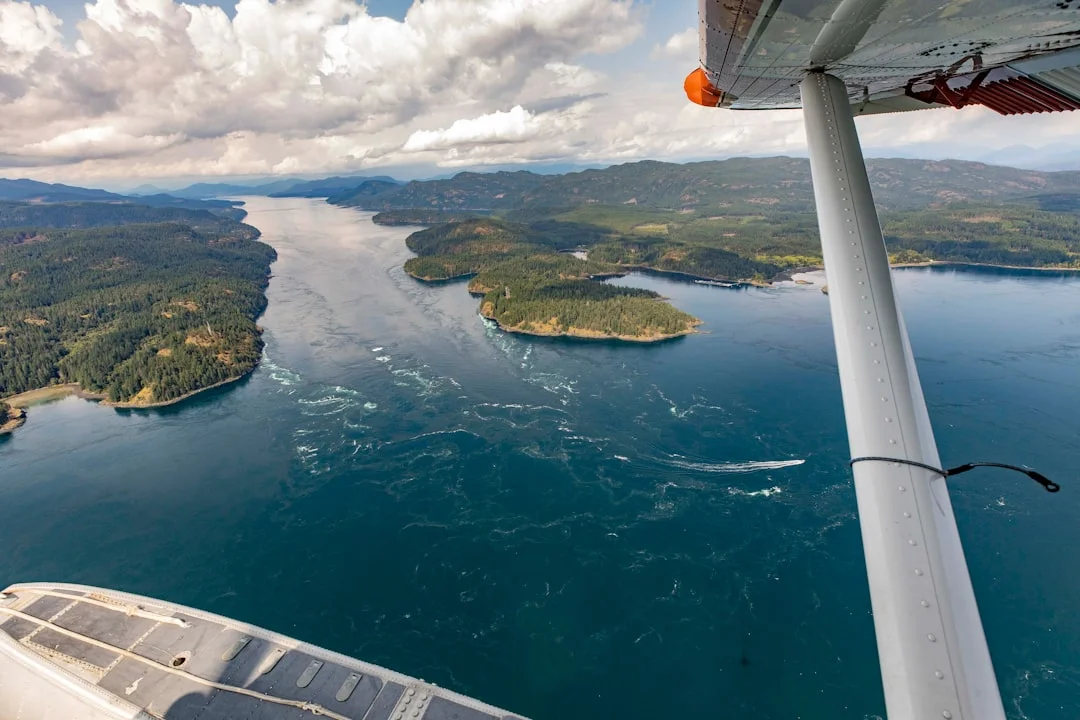
Photo by Greg Rosenke on Unsplash
A Vancouver Island wind-wave-hydrogen hybrid energy pilot is emerging as a focal point in British Columbia’s broader push to diversify energy sources for coastal communities. While no formal commercial deployment has been announced, researchers and policy makers are advancing feasibility work that could lay the groundwork for an integrated energy system off the island’s western littoral. The initiative threads together offshore wind and ocean energy concepts with hydrogen production, storage, and use—an approach that has gained traction in Canada as part of efforts to reduce diesel dependence in remote facilities and to bolster grid resilience for island grids.
Industry observers say the Vancouver Island wind-wave-hydrogen hybrid energy pilot represents a convergence of several parallel lines of development. On the wave energy front, Indigenous-led demonstrations near Yuquot on Nootka Island—just off the west coast of Vancouver Island—are moving through front-end engineering and design and feasibility studies to determine how a wave energy device could power a local microgrid. Separately, planners are examining Vancouver Island’s broader hydrogen production and distribution capabilities to support multi-energy corridors that could carry hydrogen to nearby fleets and facilities. Taken together, the work points to a future in which wind, wave, and hydrogen technologies are co-optimized to improve energy security, reduce emissions, and foster regional economic activity. These trends are already visible in the region through targeted wave energy feasibility studies and hydrogen infrastructure projects that reflect a shared policy and market context. (calwave.energy)
What Happened
Yuquot Wave Energy Demonstration Project FEED
The most concrete example connected to the Vancouver Island coast is the Yuquot Wave Energy Demonstration Project, which undertook a front-end engineering and design (FEED) study for a pilot wave energy plant. Located on the southwest tip of Nootka Island, Yuquot sits off the west coast of Vancouver Island and is the traditional home of the Mowachaht/Muchalaht First Nation. The project aims to demonstrate the viability of renewable ocean wave energy as a power source for a remote community that is not connected to the BC grid or natural gas networks. The FEED study focused on a 200-kilowatt wave energy device designed to displace diesel fuel use for MMFN residents. The Indigenous-led initiative has drawn support from government and industry partners, including Natural Resources Canada funding streams and provincial collaborators, signaling an important step toward scalable wave-to-grid solutions in coastal Canada. While the FEED study itself is a planning and design exercise rather than a construction milestone, it establishes a critical knowledge base for hybridization concepts that might later incorporate wind power and hydrogen pathways. The project’s location and scope underscore the technical and logistical realities of delivering clean energy to remote coastal residences. (natural-resources.canada.ca)
CalWave, the technology provider for Yuquot, describes the project as a pioneering, first-of-its-kind (FOAK) wave energy microgrid effort. The company noted that the MMFN-led effort seeks to power a community microgrid and advance energy independence, with the Yuquot site serving as a potential blueprint for other coastal communities along the Pacific Northwest. The project is notable for its indigenous leadership and the involvement of a multi-party consortium, which includes universities and renewable energy specialists, in advancing marine energy technologies toward practical deployment. The Yuquot project’s progress to date demonstrates how wave energy demonstrations can intersect with regional energy planning, and it provides a reference point for how wind-wave-hydrogen hybrids could be structured in similar coastal settings. (calwave.energy)
Vancouver Island Node: Crofton and the Pacific Decarbonized Energy Corridor (PDEC)
Beyond Yuquot, Vancouver Island is a focal point for hydrogen infrastructure development that could support multi-energy integration. The Pacific Decarbonized Energy Corridor (PDEC) presents a broader, island-wide concept that positions the former Domtar Crofton mill as a potential Vancouver Island node connected to a clean hydrogen supply chain. The Crofton site context emphasizes existing industrial assets—such as a combined grid interconnection, a deep-water port, a natural gas pipeline, and biomass handling—that could be repurposed to support hydrogen production and distribution. The PDEC framework frames hydrogen as a cross-cutting energy carrier that could accommodate multiple production pathways (electrolysis, methane pyrolysis, biomass with carbon capture and storage) and multiple end-use applications (marine, transit, industrial, and grid services). The Crofton node is described as “in consideration” with pre-development work underway, signaling that the plan is in the early stages but with a defined pathway and locations for future work. Vancouver Island’s geography, infrastructure, and existing energy assets are cited as enabling factors for a multi-energy corridor that could transport hydrogen to off-island markets while supporting on-island energy needs. (pdec.ca)
In parallel with these specific projects, Pacific- and Canada-wide efforts to map wave resources and integrate wave energy into grids help anchor the potential for a Vancouver Island wind-wave-hydrogen pilot. Canada’s West Coast Wave Initiative (WCWI) was funded to build a precise description of Canada’s raw wave resource and to explore the feasibility of integrating wave energy into electrical grids. The WCWI program uses field-deployed buoys and numerical modeling to characterize wave power off the West Coast of Vancouver Island and to inform grid integration strategies. This work supports the underlying premise of a hybrid approach that combines wind, wave, and hydrogen technologies to address intermittency and to provide reliable power to coastal communities. (natural-resources.canada.ca)
Taken together, these activities illustrate a pattern: wave energy is moving toward demonstration and practical integration in BC, while hydrogen infrastructure is expanding in the province to begin serving multi-energy demand centers. The Yuquot demonstration and the Crofton-PDEC concept both illustrate a BC-specific ecosystem in which wind, wave, and hydrogen can potentially be layered to improve resilience and decarbonize energy use in niche, high-value markets. The broader Canadian context includes policy signals and funding aimed at hydrogen development, clean energy corridors, and modular energy solutions that can be deployed in remote communities and along strategic transport routes. (calwave.energy)
Hydrogen Infrastructure and Market Signals on Vancouver Island
Hydrogen infrastructure development is already progressing on Vancouver Island in ways that could support a multi-energy pilot. The British Columbia government has highlighted hydrogen fueling expansions, including the opening of Vancouver Island’s first public hydrogen fueling station in Saanich, a key milestone for the island’s hydrogen mobility ecosystem. This infrastructure supports the potential for hydrogen-powered transport and industrial applications that could be coupled with wind and wave energy in a broader Vancouver Island hybrid pilot. The presence of hydrogen fueling stations on the island helps to establish market readiness for hydrogen as a transport and energy vector, reinforcing the practical viability of a future wind-wave-hydrogen pilot. (news.gov.bc.ca)
In parallel, Canada’s federal and provincial programs have signaled sustained interest in hydrogen as a clean energy vector. A 2024 ministerial announcement highlighted investments to advance hydrogen development, including supports for deploying hydrogen technologies in diverse settings and supporting critical supply chains. The policy backdrop is complemented by ongoing projects, private sector initiatives, and cross-jurisdiction coordination to accelerate the commercialization of hydrogen-based energy systems. While none of these elements guarantees a Vancouver Island wind-wave-hydrogen pilot, they collectively create a conducive policy and funding environment for such a pilot to advance when the technical, economic, and community readiness align. (canada.ca)
Why It Matters
Emissions Reduction and Energy Resilience
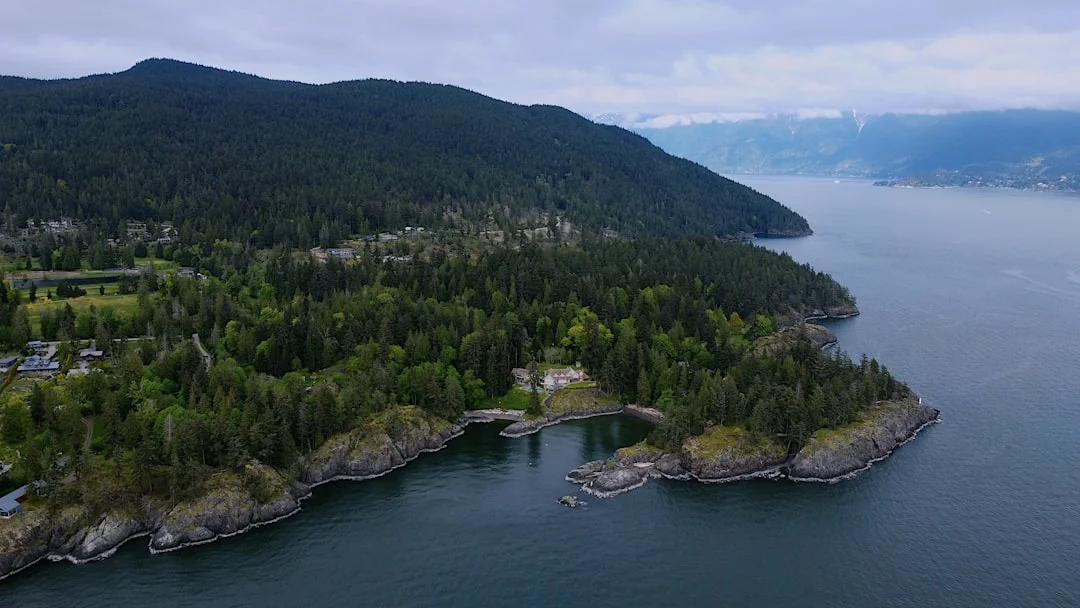
A Vancouver Island wind-wave-hydrogen hybrid energy pilot could meaningfully reduce diesel use in remote coastal communities and bolster grid resilience on an island system that is geographically exposed to wind, waves, and intermittency. The wave energy demonstration at Yuquot aims to prove the feasibility of using marine energy to power microgrids, which is a foundational step toward more complex hybrid configurations that could include wind generation and hydrogen-based energy storage or recovery. When a wind-wave-hydrogen hybrid is realized, the combination could offer a diversified energy mix with reduced reliance on imported fossil fuels and enhanced capacity to respond to variable energy supply and demand. The Yuquot FEED study provides a concrete example of how wave energy can be sized to a community’s energy needs and how a microgrid can be designed to handle variability, which are essential precursors to any broader Vancouver Island wind-wave-hydrogen hybrid approach. (natural-resources.canada.ca)
From a technology standpoint, the integration of wind, wave, and hydrogen aligns with research exploring multi-energy systems that co-locate wind, wave, and hydrogen production to manage intermittency and provide dispatchable energy services. Off-shore wind–solar–wave hybrids that incorporate hydrogen production have been analyzed in peer-reviewed work, offering insights into techno-economic tradeoffs and dynamic performance in multi-energy islands. These studies, while not island-specific to Vancouver Island, illustrate plausible pathways for combining wind and wave energy with hydrogen in a way that can support reliable power delivery to microgrids or island-scale energy systems. The literature underscores the importance of planning for energy conversion, storage, and grid interaction when pursuing multi-energy pilots in coastal contexts. (sciencedirect.com)
Community Impacts and Indigenous Partnerships
Community engagement and Indigenous partnership are central to the Vancouver Island energy transition in many projects, including Yuquot. The MMFN-led wave energy project exemplifies how local communities can be placed at the center of clean-energy development, not merely as recipients of technology but as co-developers and decision-makers. The Crofton node emphasizes Indigenous equity as a core component of project governance and financing, highlighting a commitment to FPIC (free, prior, and informed consent) and a tripartite governance structure that includes Indigenous, municipal, and provincial interests. In practice, this means that any Vancouver Island wind-wave-hydrogen pilot would likely incorporate a similar model of community consent, benefits sharing, and local job creation, reinforcing the ethical and social dimensions of multi-energy pilots. The Crofton materials also outline tangible community benefits, including potential employment, tax base restoration, and the transfer of knowledge to local workers—a package of outcomes that helps sustain local support for hybrid energy initiatives. (pdec.ca)
Market and Policy Context
Canada’s hydrogen strategy and funding programs are creating a more predictable environment for pilots combining wind, wave, and hydrogen. NRCan’s investments in clean hydrogen and in rural and remote clean-energy initiatives signal ongoing government support for decarbonized energy solutions that can operate in challenging geographies. The existence of hydrogen corridors and related infrastructure development—such as the Crofton site’s grid interconnection, water licensing, and port facilities—provides a practical backbone for any Vancouver Island wind-wave-hydrogen hybrid pilot that seeks to scale from demonstration to deployment. These policy signals matter for project economics, financing terms, and the ability to secure the long-term offtake commitments necessary to attract private capital. (canada.ca)
What's Next
Upcoming Milestones and Timelines
The Vancouver Island wind-wave-hydrogen hybrid energy pilot will likely ride on the cadence established by related initiatives in the region. The Crofton node’s status as “in consideration” with pre-development work underway implies a staged timeline that could unfold over several years, with Phase 0 activities (such as Indigenous engagement, interconnection studies, and environmental baseline work) anticipated in 2026–2027, followed by Phase 1 (funding-secured build-out and commissioning) in 2028–2030, and ongoing expansion in subsequent phases. The Crofton project’s Stage 0–Phase 1 framing provides a concrete template for how a Vancouver Island wind-wave-hydrogen hybrid pilot could be organized: a phased approach that aligns with grid upgrades, hydrocarbon-to-hydrogen transitions, and community governance structures. The published materials indicate that the timeline is subject to approvals, market signals, and funding availability, which means observers should expect updates on milestones as governments and partners refine the project’s scope and economics. (pdec.ca)
In parallel, federal and provincial hydrogen initiatives continue to flow, potentially shaping funding envelopes, regulatory clarity, and offtake opportunities for island pilots. The broader policy environment suggests that if a Vancouver Island wind-wave-hydrogen pilot advances, it would benefit from parallel investments in hydrogen production capacity, distribution networks, and hydrogen-fueled mobility to demonstrate end-to-end value. As governments publish new funding calls and policy guidelines, industry watchers should monitor NRCan press releases and BC government updates for indicators of appetite and eligibility criteria for multi-energy pilots in coastal BC. (canada.ca)
What to Watch For
- Feasibility updates from Yuquot and Crofton that reveal revised project scopes, updated capital spend, and changes in offtake assumptions. The Yuquot FEED work and the Crofton node’s ongoing analysis are likely to produce public milestones as feasibility studies transition toward siting decisions and preliminary engineering results. (natural-resources.canada.ca)
- Advances in hydrogen infrastructure on Vancouver Island, including new stations, storage capabilities, and grid services that could enable a multi-energy pilot to deliver reliable power to local users while supporting transport and industrial applications. The island-wide hydrogen fueling developments provide a practical indicator of market readiness for hydrogen-based energy pathways. (news.gov.bc.ca)
- Integrated energy modeling and techno-economic assessments that quantify the benefits and tradeoffs of wind-wave-hydrogen hybrids, including storage duration, ramping capabilities, Levelized Cost of Hydrogen (LCOH), and lifecycle emissions. Peer-reviewed and industry studies can help set expectations for the pilot’s performance and cost trajectory. (sciencedirect.com)
- Policy and funding signals from NRCan and provincial agencies that could alter the financial feasibility and risk profile of a Vancouver Island wind-wave-hydrogen hybrid energy pilot. Active government support for hydrogen and rural energy initiatives remains a key tailwind for such pilots. (canada.ca)
What audiences should watch next is how the region translates these feasibility efforts into concrete development steps—whether as a modular demonstration that scales from tens or hundreds of kilowatts to multi-megawatt configurations, and whether the energy produced—whether via wave, wind, or hydrogen pathways—can be delivered to end users in a way that is reliable, affordable, and locally accountable. The energy transition in British Columbia’s coastal zones is unfolding through a suite of pilots and corridors that are interdependent; a Vancouver Island wind-wave-hydrogen hybrid energy pilot would be a natural extension of the island’s ongoing experiments with wave energy demonstrations, hydrogen corridors, and indigenous partnerships that emphasize local leadership and shared benefits. (calwave.energy)
Closing
As BC and Canada continue to pursue cleaner energy and more resilient coastal grids, the Vancouver Island wind-wave-hydrogen hybrid energy pilot stands out as a case study in multi-energy integration. The converging strands of wave energy feasibility, hydrogen production and distribution, and island-scale energy planning offer a blueprint for what future coastal energy systems could look like—not as a single, monolithic project, but as a network of coordinated pilots and corridors that together reduce diesel dependence, enhance grid reliability, and create new economic opportunities for coastal communities. Observers and local stakeholders will want to track developments from Yuquot’s FEED work to Crofton’s PDEC discussions, and from hydrogen infrastructure upgrades to potential grid interconnections that could unlock a truly integrated Vancouver Island energy future. For readers seeking updates, official communications from Natural Resources Canada, BC Hydro, and the Pacific Decarbonized Energy Corridor can provide the most current timelines and milestones as the region moves from feasibility toward demonstration and deployment. (natural-resources.canada.ca)