Vancouver UNDRIP housing Jericho Lands: A Case Study

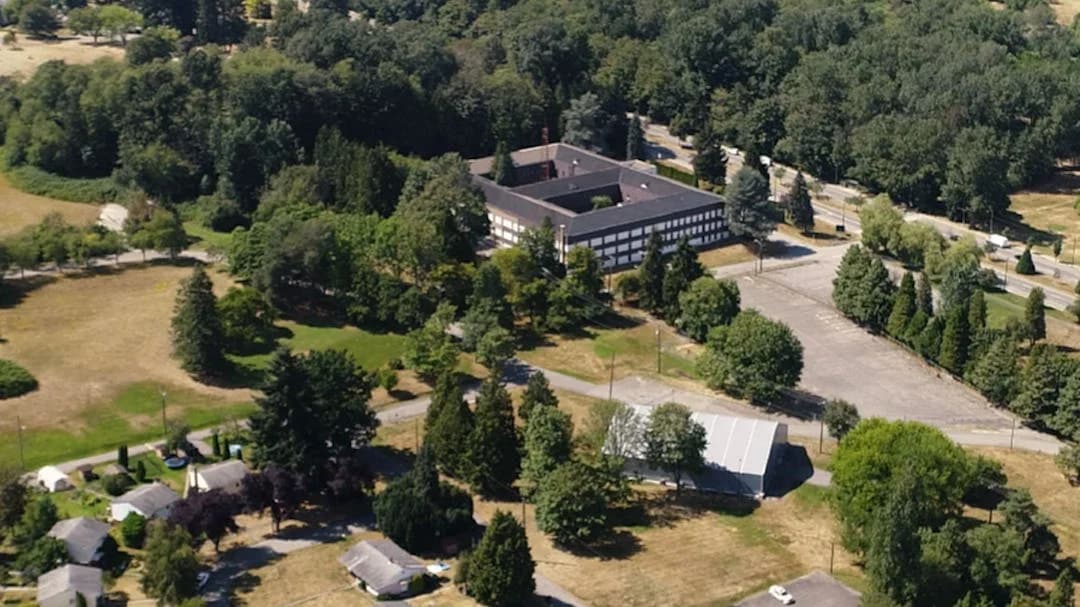
The Jericho Lands project sits at a pivotal intersection of urban housing demand, Indigenous sovereignty, and city-building backed by UNDRIP principles. This case study examines Vancouver UNDRIP housing Jericho Lands as a real-world test of how an Indigenous-led partnership can shape a large-scale, transit-oriented development while embedding culture, housing affordability, and community spaces in the plan. The effort is more than a zoning exercise; it’s a test of governance, community engagement, and long-range economic and social outcomes for Vancouver and the MST Nations. As Vancouver moves from policy statements to an approved development plan, the project offers a rare, publicly observable snapshot of governance, design, and implementation challenges in a high-stakes urban environment. The data points below come from official city documents, statements from MST Nations, and media coverage that tracked milestones from 2024 through 2025 and into 2026, providing a data-backed narrative about what works, what remains unresolved, and what the Jericho Lands could mean for similar initiatives in BC and beyond. Vancouver UNDRIP housing Jericho Lands isn’t just about housing; it’s about how Indigenous-led approaches can redefine what “affordable” and “inclusive” mean in a rapidly changing city. (vancouver.ca)
The Challenge
Scale and urgency in a high-demand market
Vancouver has long faced a housing affordability crisis, and the Jericho Lands site represents a rare opportunity to blend large-scale housing with Indigenous self-determination. The Planning Program for Jericho Lands is built around a 90-acre site owned by a joint venture of MST Nations and Canada Lands Company, with the aim of delivering a mixed-use, high-density community connected to rapid transit. The plan envisions roughly 13,000 new homes for about 24,000 residents, supported by a mix of social housing and market options, and a broad set of community amenities. This scale—coupled with a commitment to car-light design and cultural integration—posed a triple constraint: housing supply, affordability, and cultural reclamation all at once. The figures become even more consequential when viewed against the backdrop of a 25- to 30-year development horizon and a projected 3,000 jobs on site. (vancouver.ca)
Governance, consent, and Indigenous leadership
A central challenge was aligning the City of Vancouver’s planning framework with Indigenous leadership and rights. The Jericho Lands project is a collaboration among the MST Nations (Musqueam, Squamish, Tsleil-Waututh) and Canada Lands Company, positioned within Vancouver’s UNDRIP Action Plan and reconciliation strategy. The City’s policy statements and official development plans reflect a deliberate shift toward Nation-led housing narratives and governance structures, not simply a council-approved rezoning. The January 2024 Policy Statement set directions for a high-density, mixed-use community shaped by MST culture, while the April 2025 Official Development Plan (ODP) approved the next phase of implementation. This governance architecture sought to balance public accountability with Nation-led stewardship. The ongoing dialogue and formal approvals illustrate both the progress and the friction inherent in aligning City policy with Indigenous leadership. (vancouver.ca)
Public engagement, equity, and affordability targets
Key affordability targets were embedded early, with the plan calling for a substantial share of affordable housing and a commitment to social housing within the broader 13,000-unit vision. Public engagement sessions, council deliberations, and community concerns—ranging from density and height to park space and park shading—shaped the plan’s trajectory. Critics, including local community groups, raised questions about the balance between market-rate towers and affordable housing, the program’s cost to taxpayers, and the pace of delivery. The Jericho Coalition highlighted concerns about subsidies, housing mix, and potential windfall profits for developers, illustrating the realities of funding-heavy, large-scale projects where public and private interests intersect. The City and MST Nations have responded with a governance model that aims to prioritize housing access and Indigenous self-determination, but the debate over funding, density, and public benefit remains ongoing. (jerichocoalition.org)
Infrastructure and transit integration
The Jericho Lands plan is explicitly designed to connect to the UBC SkyTrain extension and to support a car-light urban form. Transit-oriented development is a core feature, intended to reduce vehicle dependency while providing residents with efficient access to regional employment centers and services. The presence of a future SkyTrain station is repeatedly highlighted as a central enabler for the project’s density, mix of uses, and walkability. This integration is not just a mobility choice; it’s a critical enabler of affordability by reducing long commute costs and creating a more dynamic local economy. (vancouver.ca)
The Solution
Indigenous-led partnership and governance

The core solution to the challenge was to place Indigenous leadership at the center of the development. The MST Nations—Musqueam, Squamish, and Tsleil-Waututh—formed a partnership with Canada Lands Company (CLC) to guide the redevelopment. This structure was designed to embed Indigenous values and decision-making into planning, design, and implementation while leveraging the development capacity of a crown corporation. The joint venture’s governance is reflected in the policy and development plan approvals, signaling a shift toward Nation-led housing governance within a municipal framework. The City of Vancouver recognizes this as a model of reconciliation in practice, with formal alignment to UNDRIP goals and action plans. The partnership’s prominence is also reflected in public statements from MST leaders and the CLC, underscoring a shared commitment to cultural revitalization, housing affordability, and long-term community benefit. (clc-sic.ca)
A data-driven, policy-first approach
From the outset, the project anchored its design to policy commitments and measurable targets. The January 2024 Policy Statement established the framework for a high-density, mixed-use community, with explicit housing targets and a long-range delivery timeline. The April 2025 Official Development Plan then translated policy into a concrete project blueprint, detailing the housing mix, density, parkland, and infrastructure requirements. City documentation emphasizes not just housing numbers but also social and cultural spaces, childcare capacity, and parks—elements designed to foster an inclusive, resilient neighborhood. The approach reflects a deliberate coupling of Indigenous-led planning with city planning processes, aiming to produce a replicable template for future co-governed developments. (vancouver.ca)
Design philosophy: density, diversity, and culture
The Jericho Lands plan is built around high-density living with a “car-light” design, a broad mix of housing types, and a strong emphasis on MST cultural presence in planning and design. The plan contemplates approximately 13,000 homes with a diversified housing mix, including social housing and below-market rental options, to accommodate a broad spectrum of residents. A substantial portion of land is dedicated to parks, open spaces, and cultural facilities, including Indigenous social and cultural spaces and a House of Learning, reflecting the project’s aim to integrate culture into daily life. These design choices are intended to support a vibrant, inclusive neighborhood that remains accessible to a wide range of income levels and family circumstances. The architectural and urban design approach is framed as a practical expression of Indigenous sovereignty within a modern urban framework. (vancouver.ca)
Timeline, milestones, and phased delivery
Implementation is envisioned over 25–30 years, with a phased rezoning and development process. The first units could begin opening within seven years of formal approvals, contingent on market and subsidy conditions, with full realization of the plan unfolding over decades. This long horizon is a deliberate choice to manage risk, coordinate with transit infrastructure (including the SkyTrain extension), and align with funding cycles and governance milestones. The April 2025 ODP approval marked the transition from planning to delivery, enabling phased development across the site. The narrative around timeline is reinforced by city press coverage and MST communications, which frame Jericho Lands as a long-term, multi-phase transformation rather than a single construction project. (vancouver.citynews.ca)
The Results
Housing and community scale achieved in the plan
The official plan articulates a bold housing ambition: 13,000 new homes with a mix designed to serve 24,000 residents, alongside 30 acres of parks and open spaces, and a target of roughly 3,000 on-site jobs. The breakdown includes a substantial share of affordable and social housing components, with 2,600 social housing units and 1,300 secured market and below-market rentals (representing 20% and 10% of the total unit count, respectively). This breakdown is consistent across multiple city and partner communications, reflecting a deliberate strategy to balance affordability with private investment, all within an Indigenous-led governance framework. The project’s potential to create a new community with schools, childcare facilities, and cultural spaces is a hallmark of the plan’s integrated approach. (vancouver.ca)
Transit, public realm, and environmental design outcomes
A car-light urban form, enhanced by proximity to a future SkyTrain extension, is a central design outcome intended to improve mobility, reduce emissions, and support a more walkable city. The project’s public realm strategy emphasizes parks, plazas, and a network of walking and cycling connections that link to broader regional amenities. Sixty-plus percent of the land is committed to open space and cultural facilities, reinforcing an emphasis on quality-of-life outcomes beyond housing units alone. The environmental and mobility dimensions of Jericho Lands reflect a broader urban sustainability objective that many planners associate with successful transit-oriented development in large coastal cities. (vancouver.ca)
Economic and social impact signals
With 3,000 potential jobs created on-site and a plan that integrates a future elementary school, childcare spaces, and a House of Learning, Jericho Lands is positioned to influence both the local and regional economy. While exact macroeconomic ROI figures are not published publicly in the core plan materials, the project’s scale—combined with a strong emphasis on Indigenous entrepreneurship, training, and cultural spaces—suggests a multi-decade, cumulative economic and social return. City and MST communications underscore the project’s aim to support Indigenous economic self-determination while delivering broad community benefits that extend beyond the immediate housing supply. The dynamic between government subsidies, private investment, and Indigenous governance remains central to understanding the project’s long-term outcomes. (vancouver.ca)
Public sentiment and stakeholder perspectives
Public feedback to the Jericho Lands plan has been mixed, reflecting a tension between ambitious urban growth and concerns about scale, height, shading of Jericho Beach Park, and taxpayer subsidies. The Jericho Coalition’s critique highlighted concerns about tax subsidies and the potential for “windfall profits” for developers, arguing for alternatives that prioritize low- and mid-rise development with more green space and lower shading impact. Proponents, including MST leaders and City officials, have framed the project as a path to reconciliation, Indigenous self-determination, and a transformative, equitable housing program that can serve as a model for future partnerships. The ongoing dialogue illustrates the importance of transparent discussion and rigorous, evidence-based analysis in large-scale public-interest projects. (jerichocoalition.org)
Milestones achieved to date
- Policy Statement approved by Vancouver City Council (January 2024), setting the framework for the Jericho Lands redevelopment and reaffirming UNDRIP alignment. (vancouver.ca)
- Official Development Plan approved by City Council (April 22, 2025), enabling phased rezoning and long-term delivery of the 90-acre site with 13,000 homes and 30 acres of parks. (vancouver.ca)
- City of Vancouver UNDRIP actions and reconciliation progress, including pilots for Nation-led housing at Jericho Lands and other sites, signaling institutional support for Indigenous-led urban development. (vancouver.ca)
Unintended benefits and early proofs of concept
Early discussions and pilots around Nation-led housing have highlighted benefits beyond housing numbers: stronger cultural presence in planning, potential workforce development opportunities tied to construction and long-term property management, and a governance model that could inform future collaborations between municipalities, crown corporations, and Indigenous nations. These intangible outcomes—trust-building, cultural revitalization, and governance innovation—are increasingly cited by city partners as essential returns on the Jericho Lands investment, even as the project moves toward full-scale implementation. (vancouver.ca)
Key Learnings
What worked well

- Indigenous-led governance as a catalytic force: The MST Nations–CLC partnership anchored by formal policy statements and a long-range development plan demonstrates how Indigenous leadership can align with municipal planning processes to drive large-scale housing and community outcomes. The alignment between policy statements (2024) and the later Official Development Plan (2025) illustrates a cohesive pathway from vision to action. This model is being viewed as a potential blueprint for future Nation-led housing initiatives in Canada. (vancouver.ca)
- Clear, measurable targets paired with cultural integration: The plan’s explicit housing targets (13,000 units, 2,600 social housing units, 1,300 secured rentals) and the allocation of 30 acres to parks and cultural facilities underscore a disciplined approach to measuring progress while embedding culture in daily life. The explicit numbers provide a framework for accountability and progress tracking as the project moves through phases. (vancouver.ca)
- Transit-oriented, car-light design as a sustainability lever: The emphasis on proximity to transit and a pedestrian-friendly street network aligns with broader climate and mobility goals, offering potential long-term savings for residents and the city while improving accessibility to jobs and services. This design choice is repeatedly highlighted as a core feature of Jericho Lands. (vancouver.ca)
What didn’t go as smoothly
- Financing and subsidies remain a contested issue: Community groups expressed concerns about taxpayer subsidies and potential shifts in affordable housing requirements if subsidies did not materialize. The Jericho Coalition’s critique emphasizes the ongoing tension between public benefit expectations and the financial realities of delivering social and affordable housing at scale. The plan’s reliance on provincial and federal funding for affordable housing remains a central topic of public discussion. This tension highlights the difficulty of balancing ambitious housing goals with fiscal constraints and political risk. (jerichocoalition.org)
- Height and density trade-offs: Debates around building height (some towers up to 49 storeys) and the potential impact on nearby public spaces, such as Jericho Beach Park, illustrate the challenge of maintaining public trust and environmental quality while pursuing density and revenue objectives. Ongoing community feedback and engagement will continue to shape revisions and refinements as delivery proceeds. (vancouver.citynews.ca)
Lessons for policymakers and practitioners
- Institutionalizing Nation-led housing within municipal frameworks requires explicit policy statements, transparent governance mechanisms, and continuous stakeholder engagement. The Jericho Lands trajectory demonstrates the value of aligning Indigenous leadership with city planning cycles and the importance of setting clear, measurable housing and community goals informed by cultural priorities. (vancouver.ca)
- Early, ongoing public engagement matters as much as the plan itself. The Jericho Lands experience shows that listening to diverse voices—residents, Indigenous leaders, developers, and environmental groups—early can illuminate design choices that improve community acceptance and long-term success. The public discourse around density, shade, and subsidies provides a roadmap for future projects seeking to balance ambition with public consent. (jerichocoalition.org)
- Long timelines require resilient governance and adaptable financing. The 25–30-year horizon necessitates flexible, durable governance arrangements, phased implementation, and stability in funding streams. The official plan’s phased approach and the ongoing reconciliation work signal a willingness to adapt as needs evolve and as funding landscapes shift. (vancouver.ca)
Closing
The Jericho Lands project embodies a new kind of urban transformation—Indigenous-led, evidence-based, and explicitly aligned with UNDRIP principles, while remaining tethered to the practical realities of city-building, financing, and public accountability. The path from policy to ground to residents’ daily lives is long and complex, but the early milestones—policy statements, development plan approvals, and a concrete housing target—offer a compelling proof of concept for what Nation-led housing can achieve at scale in a major city. As Vancouver and MST Nations continue to implement the Official Development Plan and begin phased construction, Jericho Lands will serve as a live case study for other jurisdictions seeking to balance cultural sovereignty with large-scale urban growth, and for communities pursuing inclusive, sustainable housing anchored in local histories and futures.
The story is still unfolding. Early indicators suggest the project is moving in a direction that validates many of the aspirational goals—Indigenous leadership, housing affordability, transit integration, and vibrant public spaces. But the real test will be delivery: how many homes are completed on schedule, how the social housing components perform in practice, how transit access translates into real improvements in affordability and mobility for residents, and how the public realm and cultural spaces evolve as the community grows. With continued transparency, rigorous data collection, and sustained engagement, Vancouver UNDRIP housing Jericho Lands might well become a template for similar efforts across Canada and beyond, offering concrete lessons about the promises and limits of large-scale, Indigenous-led urban redevelopment. (vancouver.ca)