Vancouver Web Summit 2026: Road to Web Summit Vancouver

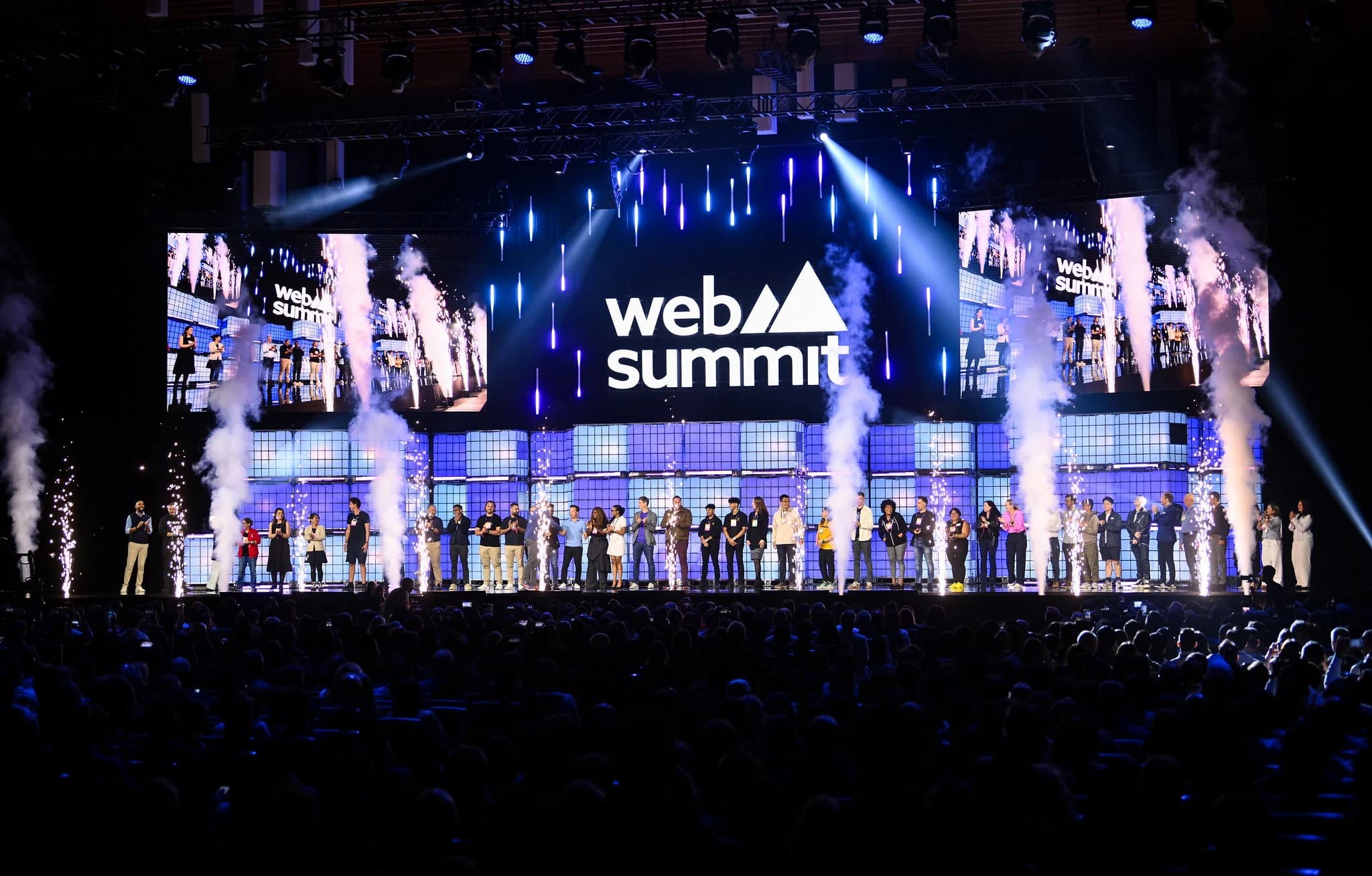
The BC tech ecosystem stands at a pivotal moment as Vancouver prepares to host Web Summit Vancouver 2026. The event, slated for May 11–14, 2026 at the Vancouver Convention Centre, represents more than a conference; it’s a catalyst for cross-border collaboration, investment, and innovative market strategies in British Columbia’s technology sector. For BC-based firms, startups, and scale-ups, the Vancouver Web Summit Vancouver 2026 Road to Web Summit Vancouver is not just about attending sessions—it’s about aligning product development, data governance, and go-to-market plans with a global audience of founders, engineers, investors, and enterprise buyers. Early program materials confirm a 4-day venue packed with exhibitions, keynotes, and targeted sessions, underscoring the event’s potential to influence regional growth trajectories. (vancouver.websummit.com)
This industry guide, published by BC Times in a neutral, data-driven voice, digs into the Vancouver Web Summit Vancouver 2026 Road to Web Summit Vancouver as a sector-specific inflection point for technology and market trends. We’ll cover the current landscape of Vancouver’s tech economy, the regulatory and compliance realities that shape technology deployment in British Columbia, and the practical, field-tested approaches leaders use to maximize value from a major global event. Along the way, you’ll find concrete examples from government programs, industry associations, and corporate participants that illuminate how firms can operationalize strategy, navigate cross-border partnerships, and accelerate growth in a compliant, sustainable way. The analysis draws on official event materials, provincial policy pages, and industry coverage of the broader Road to Web Summit initiatives this year. (vancouver.websummit.com)
Section 1: Industry Landscape
Vancouver's tech ecosystem at a glance
Vancouver has emerged as a notable North American tech hub, with a focus on AI, software, digital media, fintech, and health tech. The city benefits from a strong talent pool, proximity to Asian and U.S. markets, and active government-supported programs designed to accelerate scale-up companies. The Web Summit Vancouver page highlights the Vancouver Convention Centre as the central venue for 2026, signaling the city’s capacity to host a mass-assembly tech event and to attract global attention to local companies and research talent. While official numbers vary year to year, trade-press reporting and event forecasts consistently place attendance in the tens of thousands and exhibitors well into the high hundreds or low thousands, underscoring the event’s scale and potential for regional exposure. (vancouver.websummit.com)
Global event dynamics and Vancouver’s positioning
Web Summit is widely recognized as a marquee platform for global tech dialogue, partnerships, and investment. The Vancouver edition mirrors this model by combining exhibition floors, speaker sessions, and investor-facing activities with local ecosystem-building programs. The official event pages outline 2026 dates and the venue, while ancillary sources describe the event’s aspirational reach—encompassing startups, scale-ups, corporate buyers, and international delegations. Vancouver’s bid to leverage Road to Web Summit initiatives aligns with broader strategies to attract cross-border collaboration and capital formation for British Columbia’s tech economy. (vancouver.websummit.com)

Regulatory and data-privacy context in BC and Canada
Technology firms participating in large conferences and cross-border initiatives should integrate privacy-by-design practices into product development and data-sharing agreements. In Canada, private-sector privacy is governed by PIPEDA at the federal level, with British Columbia also adopting provincial privacy rules (PIPA) for private organizations, alongside public-sector privacy protections under FIPPA. Practical implications include establishing clear consent mechanisms, transparent data-use notices, and robust data governance for any sessions, demos, or partner matchmaking that involve personal information. For BC-based organizations, provincial privacy resources emphasize that privacy protections apply to commercial activities in many contexts, with exemptions and nuanced governance depending on sector and data type. These frameworks influence how firms prepare for sessions, demonstrations, and investor pitches that involve customer data or analytics. (priv.gc.ca)
The province’s privacy landscape also highlights the importance of privacy breaches reporting and privacy management programs for public bodies and certain private-sector contexts, underscoring the broader governance discipline that technology firms should adopt when operating in British Columbia. As firms scale, alignment with PIPEDA principles and provincial privacy practices helps reduce risk in pilot projects, data-sharing collaborations, and post-summit commitments with partners or clients. (dlapiper.com)
Section 2: Industry-Specific Challenges
Data governance, privacy, and compliance pressures
BC and Canadian privacy requirements shape how participating companies collect, store, and share data during and after Web Summit Vancouver. Teams must ensure that any customer data used in demos or投 investment discussions is properly consented, minimized, and protected. In practice, this means implementing data governance frameworks that separate personal information from aggregated analytics, establishing data-sharing agreements with third parties, and documenting purposes for data collection as required by privacy laws. Noncompliance can trigger regulatory scrutiny and breach remediation costs, making privacy readiness a prerequisite for any conference-driven activity. PIPEDA compliance tools and privacy self-assessment resources from the Office of the Privacy Commissioner of Canada offer practical starting points for mid- to large-scale firms preparing for the event. (priv.gc.ca)

Talent pipeline and workforce constraints in a competitive market
Vancouver’s tech ecosystem benefits from a deep talent pool, but demand for AI, software engineering, data science, and product roles can outpace supply. This dynamic creates challenges around recruitment velocity, compensation benchmarks, and the ability to staff conference-driven initiatives that rely on skilled presenters, exhibitors, and booth staff. Regional programs such as Innovate BC’s Road to Web Summit Vancouver (R2WSV) address this gap by offering training, mentorship, and investor-readiness activities designed to accelerate growth trajectories for BC ventures. The 2026 program calendar includes masterclasses, bootcamps, and an investment showcase, all timed to align with the Web Summit Vancouver schedule. For companies, this means building a pre-event talent plan, selecting participants for coaching tracks, and coordinating scheduling to maximize value from on-site engagements. (info.innovatebc.ca)
Funding landscape and investor engagement
The Road to Web Summit Vancouver ecosystem program is part of a broader strategy to facilitate investor access and strategic partnerships for BC-based startups. Public-facing program notices highlight the objective of helping high-potential ventures prepare for investment discussions and market expansion, with funding support for eligible activities. This environment creates an opportunity to structure pre-event investor conversations, arrange targeted meetings during the conference, and leverage post-event follow-ups to close rounds or land pilot deals. Industry coverage underscores the importance of a well-orchestrated investor-relations plan that complements the conference’s scale. (info.innovatebc.ca)

Cross-border competition and market access
As Vancouver positions itself as a global tech gateway, firms face intensified competition for attention from international startups and established players. The Web Summit Vancouver edition is designed to facilitate matchmaking with global investors, enterprise buyers, and corporate partners, but this also means that BC firms must differentiate themselves through clear value propositions, compelling data-backed pitches, and well-defined collaboration opportunities. Real-world examples include country-pavilion registrations and cross-border sponsorships (e.g., Swiss Pavilion participation) that illustrate how regional players use the event to secure international visibility while leveraging local strengths. This dynamic underscores the need for regionally tailored messaging and practical collaboration roadmaps. (s-ge.com)
Opening takeaway from this section: BC companies must approach the Vancouver Web Summit Vancouver 2026 Road to Web Summit Vancouver with a disciplined compliance posture, a robust talent and capital plan, and a curated cross-border collaboration strategy that translates event exposure into durable business value.
Section 3: Solutions & Best Practices
Road to Web Summit Vancouver program design and execution
Innovate BC’s Road to Web Summit Vancouver (R2WSV) program provides a structured path from preparation to pitch readiness and investment showcases. The program emphasizes masterclasses, finance bootcamps, sales training, and a final investment showcase that aligns with Web Summit Vancouver’s broader objectives. For participating BC ventures, this approach translates into concrete steps: select cohorts that align with target markets, complete pre-workshop materials, and leverage mentorship to refine go-to-market arguments and fundraising narratives. The result is a more cohesive, investor-ready presentation that resonates with global audiences during the conference. Understanding these program elements helps firms map pre-event milestones to on-site engagement opportunities and post-event follow-ups. (info.innovatebc.ca)
Expert insight: Industry leaders emphasize that early alignment with event objectives—whether securing pilots, partner agreements, or venture capital—yields higher meeting quality, better networking outcomes, and more durable impact after conference week ends. This perspective is reinforced by program designers and ecosystem partners involved in R2WSV and related initiatives. (info.innovatebc.ca)
Cross-border collaboration and sponsor-led initiatives
Participation by multinational players and country-specific pavilions demonstrates the event’s role as a bridge for international collaboration. The presence of Swiss Pavilion organizers at Web Summit Vancouver 2026 is an illustrative example of how governments and industry groups use the global stage to connect BC-based firms with international buyers, investors, and partners. For readers, this highlights a best-practice pattern: align with international partners and government-led trade promotion programs to extend reach beyond local markets, while ensuring compliance and cultural alignment with foreign markets. (s-ge.com)
Investor-readiness and market-access playbooks
Industry coverage of Road to Web Summit suggests that the program emphasizes investor-readiness—helping founders articulate business models, financials, and growth strategies in ways that resonate with global investors. A practical best-practice takeaway is to pre-build a concise investment thesis, a data-driven pitch deck, and a 90-second elevator pitch tailored to different audience segments (investors, customers, partners). This approach reduces friction during on-site meetings and increases the likelihood of meaningful follow-ups after the event. (techcouver.com)
Standards, ethics, and data governance for event participation
A consistent best-practice thread across industry discussions is the need for clear data governance and ethical considerations in showcasing products at a major conference. Firms should prepare demonstrations that minimize personal data usage or ensure robust anonymization, and they should publish privacy notices relevant to on-site data collection or demos. Adopting privacy-by-design thinking, and aligning with PIPEDA and BC privacy requirements, is not only a regulatory obligation but also a competitive differentiator in a space where data trust matters to customers and partners. (priv.gc.ca)
Opening takeaway from this section: The most successful Vancouver entrants blend the Road to Web Summit Vancouver program with strategic cross-border outreach, investor-focused storytelling, and disciplined data governance to generate measurable post-event value.
Section 4: Implementation for Your Industry
Stepwise, sector-specific implementation plan
Step 1: Align with the R2WSV program and Web Summit Vancouver objectives
Identify the R2WSV pathway best suited to your company’s stage and objectives (e.g., masterclasses for skill-building, bootcamps for finance readiness, or the Investment Showcase). Prepare a concrete, actionable plan that aligns program activities with your pre-event milestones, and map expected outcomes to investor and partner outreach targets during the conference. Submitting proposals by the stated deadlines and engaging with Innovate BC’s program staff can unlock support and guidance for your sector. (info.innovatebc.ca)
Step 2: Build a data-ready product narrative and privacy-compliant demonstrations
Develop a narrative that connects your product’s value proposition to real-world customer problems, with clear numbers and use-case illustrations. When demos involve user data, ensure you have consent processes in place, robust data governance, and privacy-by-design practices aligned with PIPEDA and BC privacy law. Prepare a data-minimized demo environment or anonymized datasets to illustrate capabilities without exposing personal information. This approach reduces compliance risk and increases investor and partner confidence. For privacy considerations, rely on official privacy guidance and self-assessment tools to strengthen governance. (priv.gc.ca)
Step 3: Plan cross-border outreach and partnership targets
Before and during the event, outline a target list of potential partners, customers, and investors, including international delegations or pavilion participants that complement your market strategy. Build a 48-hour plan for on-site meetings, including pre-scheduled sessions, investor office hours, and booth engagements. If you are pursuing cross-border collaborations, consider engaging with country or regional pavilions (as exemplified by the Swiss Pavilion), which can facilitate introductions and logistical support. (s-ge.com)
Step 4: Post-event execution and measurement
Establish a post-summit action plan with clear KPIs (e.g., number of qualified investor conversations, pilot opportunities, or LOIs). Schedule follow-ups with a defined cadence and assign ownership to executive sponsors, business development leads, and legal/compliance staff to finalize agreements, conduct due diligence, and formalize partnerships in a timely manner. Leverage the conference’s content (speakers, sessions, and exhibits) to refine product messaging and target-market positioning based on what worked in Vancouver’s market. (vancouver.websummit.com)
Closing paragraph: The Vancouver Web Summit 2026 event—along with the Road to Web Summit Vancouver ecosystem programs—offers a scalable blueprint for BC tech firms seeking to accelerate growth through global exposure, investor connectivity, and cross-border collaboration. A disciplined approach to privacy, talent development, and market strategy will help firms maximize the event’s potential while staying compliant with Canadian privacy norms and provincial policies. As Vancouver’s tech leaders look to the post-summit period, the emphasis will be on translating conference momentum into durable partnerships, pilot programs, and sustained revenue growth in both regional and international markets. For ongoing guidance and up-to-date program details, monitor the official Web Summit Vancouver channels and Innovate BC communications. (vancouver.websummit.com)
Closing: Industry outlook and resources specific to this sector Beyond the May 2026 event, the BC tech ecosystem is expected to continue expanding in AI, fintech, and health tech, with government and industry groups supporting a pipeline of scale-ups that can compete on a global stage. The combination of Web Summit Vancouver’s visibility and local capital-formation programs positions Vancouver as a testing ground for go-to-market strategies that scale internationally. Companies should treat the Vancouver edition as both a market-entry platform and a long-term relationship engine, using it to validate product-market fit, expand partner networks, and accelerate funding cycles. For readers seeking deeper sector-specific insight, follow updates on the official event site, Innovate BC’s program pages, and BC-based industry outlets that report on the Road to Web Summit initiatives and related partner activities. (vancouver.websummit.com)