Victoria Green Tourism Boom 2026: Island Eco Travel
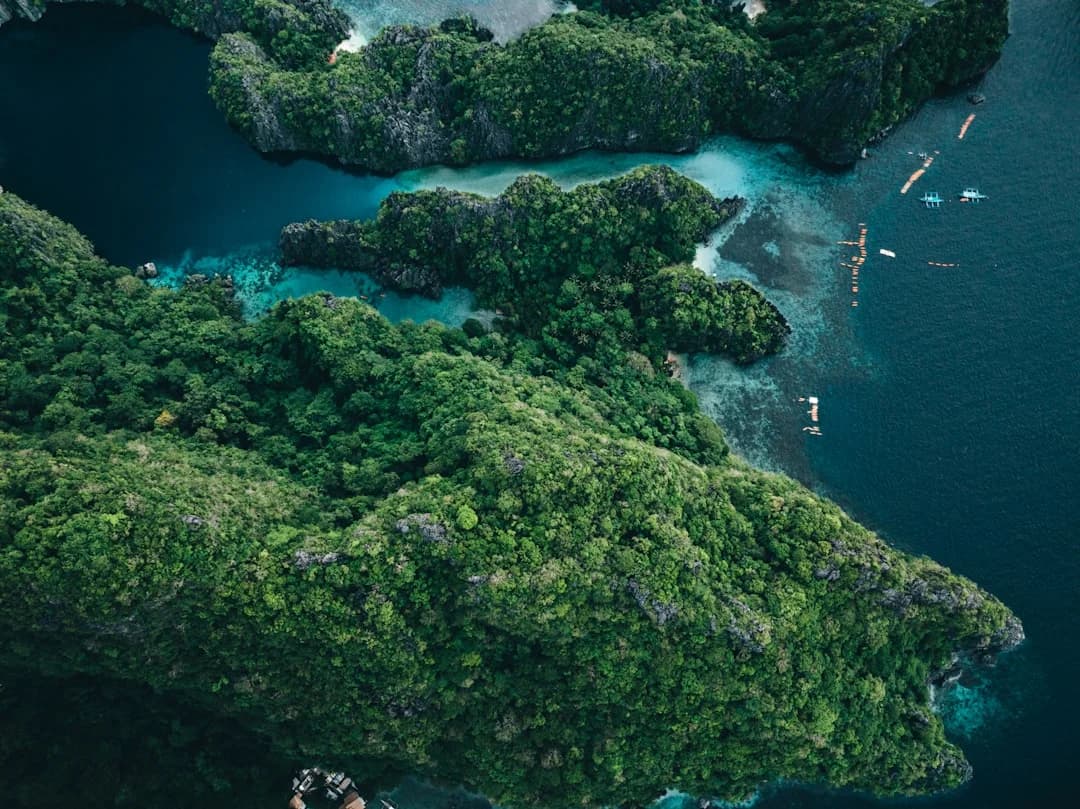
Photo by Jared Rice on Unsplash
Victoria is once again at the center of a pivotal shift in travel, and the phrase Victoria green tourism boom 2026 captures a real momentum building across Vancouver Island. This year’s pattern blends ambitious sustainability goals with concrete market actions, from policy-backed climate resilience programs to high-visibility events that spotlight regenerative travel and low-impact experiences. In early 2026, Victoria hosted a suite of initiatives and industry gatherings designed to move beyond buzzwords toward measurable outcomes, setting a data-driven tone for the region’s tourism ecosystem. The province’s regional planning and Destination BC’s renewed emphasis on year-round growth are translating into tangible investments in eco-lodges, Indigenous-led experiences, and coastal trail networks that attract visitors while preserving the very assets they come to enjoy. This moment matters because it signals not just a seasonal upswing, but a structural evolution in how tourism can be sustainable, resilient, and economically inclusive across Vancouver Island. As one leading initiative notes, climate readiness and sustainability are now embedded in routine planning for destinations, operators, and communities alike. (travelandtourworld.com)
Two pivotal developments anchor the momentum behind the Victoria green tourism boom 2026. First, the IMPACT Sustainability Travel & Tourism Summit, held January 26–28, 2026 at the Victoria Conference Centre, placed regenerative travel at the core of strategy discussions, with live field tours across Vancouver Island that connected policymakers, industry leaders, Indigenous communities, and scientists. The event’s Day of IMPACT, on January 25, offered hands-on demonstrations of sustainable business practices, from LEED-certified accommodations to carbon-neutral transport options, underscoring how technology and policy can reinforce practical action on the ground. The summit’s focus on regenerative travel—moving beyond “do no harm” to actively improving destinations—was framed as a catalyst for broader adoption of sustainable models across Canadian tourism. (travelandtourworld.com)
Second, Vancouver Island’s ongoing commitment to sustainability was reaffirmed in January 2026, when Biosphere Destination renewed its certification for the island. The renewal process reinforces the destination’s alignment with international sustainability standards and the UN Sustainable Development Goals, signaling to travelers and industry partners that Vancouver Island is maintaining rigorous, auditable practices in environmental stewardship, social inclusion, and governance. The renewal—announced January 12, 2026—highlights a deliberate move to certify and showcase regenerative travel as part of the region’s value proposition. (biospheretourism.com)
In addition to these headline events, BC’s broader policy and data framework is reinforcing the Victoria green tourism boom 2026 with concrete measures. Destination British Columbia’s ongoing climate resiliency work, including the BC Tourism Climate Resiliency Initiative (BCTCRI) and associated data frameworks, is creating standardized metrics for sustainability and climate adaptation across the province. The February 2, 2026 Destination BC update summarized how the initiative supported hundreds of businesses through planning and micro-grants, and it noted that a second Tourism Climate Adaptation and Environmental Sustainability Business Survey would be conducted in 2026 to track progress. The data framework and the community stewardship initiative are designed to help destinations manage visitor flow and reduce environmental impact while maintaining economic vitality. (destinationbc.ca)
Alongside policy and certification signals, on-the-ground product innovations are fueling the momentum. Clayoquot Wilderness Lodge, a flagship Vancouver Island eco-luxury property, opened its 2026 season with three new bespoke experiences—bioluminescence kayaking, a floating sauna adventure, and Walk the Wild Side on Flores Island—each designed to immerse guests in fragile coastal ecosystems with low environmental footprints. This expansion mirrors a broader industry trend toward immersive nature experiences that are regenerative for local communities and ecosystems. The lodge’s leadership notes that the new programs deepen guests’ connection to the landscape while aligning with regenerative tourism objectives. (breakingtravelnews.com)
Together, these developments are converging with a wider regional strategy to diversify offerings, accelerate sustainability credentials, and lengthen the tourism season. Destination BC’s 2026–2028 Corporate Strategy emphasizes “Focused Growth, Lasting Impact” with a clear line: broaden year-round visitation and distribute tourism benefits across communities. The strategy aligns with the Look West framework and the province’s Invest in Iconics approach to support scalable, sustainable product development and market expansion. For Vancouver Island, this translates into coordinated branding, healthier visitor mix, and stronger regional collaboration—elements that together support a more resilient, profitable, and environmentally responsible tourism economy. (destinationbc.ca)
What happened in early 2026 is thus not a single event but a coordinated set of actions that collectively redefine Victoria’s green tourism landscape. As Destination BC’s 2026–27 and 2026–28 outlooks outline, the province is pursuing year-round growth through strategic investments in destinations, Indigenous tourism partnerships, and climate-ready operations, supported by data-driven monitoring and performance metrics. The 2026 service plan documents and corporate strategy updates lay out explicit targets for improving program outcomes, expanding collaboration with regional DMOs, and ensuring tourism benefits extend to communities that have historically faced barriers to growth. This broader policy backdrop helps explain why a “boom” label for Victoria’s green tourism in 2026 is not just a seasonal spike but part of a longer-term trajectory toward regenerative, sustainable travel anchored in credible data and accountability. (destinationbc.ca)
Section 1: What Happened
Announcement Details
- Victoria hosted the IMPACT Sustainability Travel & Tourism Summit from January 26–28, 2026, at the Victoria Conference Centre, with a focus on regenerative travel, AI-enabled marketing, Indigenous perspectives, and destination carrying capacity. The event also featured an optional Day of IMPACT on January 25, highlighting field visits to sustainable businesses and tours of Vancouver Island that illustrate real-world, regenerative practices. This marks a deliberate pivot toward action-oriented sustainability leadership in Canada’s tourism sector. (travelandtourworld.com)
- Vancouver Island’s Biosphere Destination renewed its Biosphere certification on January 12, 2026, signaling continued compliance with international sustainability standards and alignment with UN SDGs. The renewal emphasizes governance, environmental management, social inclusion, and the economy circularity required for a high-integrity regenerative tourism model in the region. (biospheretourism.com)
- Clayoquot Wilderness Lodge announced its 2026 season in May 2026, unveiling three new experiences designed to deepen guests’ engagement with the landscape while advancing conservation and regenerative initiatives in the Bedwell River area. The new offerings—bioluminescence kayaking, a floating sauna, and Walk the Wild Side—demonstrate how luxury hospitality can be designed to minimize environmental impact while delivering high-value nature-based experiences. (breakingtravelnews.com)
Timeline and Key Facts
- January 12, 2026: Vancouver Island Biosphere Destination renewal confirmed, reinforcing the island’s sustainability credentials and commitment to regenerative practices. (biospheretourism.com)
- January 25–28, 2026: IMPACT Sustainability Travel & Tourism Summit convened in Victoria to advance regenerative travel concepts, technical tools, and cross-sector collaboration. The Day of IMPACT on January 25 provided direct exposure to sustainable businesses and field experiences across Vancouver Island. (travelandtourworld.com)
- February 2, 2026: Destination BC published “Highlights from the BC Tourism Climate Resiliency Initiative,” detailing a two-year, $3.3 million program that trained roughly 400 tourism businesses in sustainability and climate adaptation, distributed micro-grants totaling about $1.9 million to more than 150 businesses, and built a shared data framework for ongoing measurement. The article also notes that the Tourism Climate Adaptation & Sustainability Business Survey would be repeated in 2026 to track progress. This is a central data backbone for Victoria’s green tourism momentum. (destinationbc.ca)
- May 27, 2026: Clayoquot Wilderness Lodge opened its 2026 season with new experiences that emphasize wilderness immersion and regenerative practices, reinforcing Vancouver Island’s appeal to high-end, sustainability-conscious travelers. (breakingtravelnews.com)
- Early 2026 onward: Destination British Columbia rolled out 2026–2028 corporate strategies focusing on year-round growth and regional diversification, with concrete steps to support sustainable product development and market expansion across the province, including the Vancouver Island region. These strategic documents provide the policy and funding backdrop for ongoing investments in green tourism infrastructure and programming. (destinationbc.ca)
Key Facts and Numbers
- The BC Tourism Climate Resiliency Initiative trained nearly 400 tourism businesses in climate adaptation and sustainability planning, with audits and assessments focusing on energy efficiency and clean energy transitions. The micro-grant program disbursed funding to 150+ businesses, totaling roughly $1.9 million. These actions are part of a provincial framework that supports standardized metrics and transparent reporting. (destinationbc.ca)
- More than 550 tourism organizations were surveyed to inform the Tourism Climate Adaptation & Sustainability Business Survey and related sub-provincial snapshots, laying the groundwork for consistent, province-wide measurement of sustainability and climate readiness. The initiative’s data framework is designed to drive coordinated improvements across communities and businesses. (destinationbc.ca)
- The renewal of Biosphere Destination status for Vancouver Island in January 2026 confirms ongoing adherence to international sustainability standards, signaling to travelers and operators alike that regenerative travel remains a core, auditable competency for the region. (biospheretourism.com)
- The IMPACT Summit’s program highlights—including AI-driven marketing, Indigenous perspectives, and the carrying capacity discussions—reflect a broader industry shift toward technology-enabled resilience and cross-cultural stewardship, both critical to managing rising visitation pressures along coastal and forested corridors. (travelandtourworld.com)
Section 2: Why It Matters
Economic Impacts and Market Dynamics
- The convergence of policy, certification, and product development signals a meaningful shift in the macroeconomic dynamics of tourism on Vancouver Island. Destination BC’s updated corporate strategy focuses on year-round growth and broader regional dispersion of visitor activity, ensuring that economic benefits extend beyond peak seasons and traditional hubs. This approach is designed to sustain local jobs, stabilize business revenue, and support investments in sustainable infrastructure and workforce training. In practical terms, the Victoria green tourism boom 2026 stands to produce steadier regional occupancy rates and longer average stays, as operators align offerings with climate-resilient travel trends and regenerative experiences. (destinationbc.ca)
- The regeneration-oriented frame—advocated by the IMPACT Summit—emphasizes resilience and long-term visitor economy health. As destinations implement regenerative practices, communities can better withstand climate-related disruptions, preserve cultural assets, and distribute tourism benefits more equitably. This broader, data-driven approach aligns with the BC government’s emphasis on climate resilience, stakeholder collaboration, and sustainable growth pathways for tourism. (travelandtourworld.com)
Sustainability and Resilience
- The BC Tourism Climate Resiliency Initiative demonstrates how large-scale, state-supported sustainability programs can translate into real business actions. With micro-grants funding projects like energy audits and decarbonization plans, local operators gain practical tools to reduce emissions and increase efficiency, contributing to a more sustainable regional economy and a more resilient visitor experience. The data framework created through BCTCRI enables consistent measurement and ongoing improvement—an essential foundation for credible regenerative travel claims. (destinationbc.ca)
- Vancouver Island’s Biosphere Destination renewal adds a formal, external validation of the island’s sustainability journey. This certification creates a trustworthy signal for travelers seeking responsible options and for businesses aiming to differentiate through certification-backed practices. It also anchors local regenerative efforts in a globally recognized framework that connects environmental stewardship with community well-being. (biospheretourism.com)
Technology, Data, and Innovation
- The Summit’s emphasis on AI and technology in tourism planning indicates a growing integration of digital tools into marketing, operations, and traveler experiences. Technology can help optimize visitor flows, personalize sustainable itineraries, and track environmental and social outcomes in near real time. This aligns with Destination BC’s data-driven strategy, which seeks to translate insights into measurable improvements in how and where visitors travel within the province. (travelandtourworld.com)
Community and Cultural Implications
- Indigenous-led experiences and cross-cultural partnerships are explicitly highlighted in Victoria’s regenerative travel discourse. The Walk the Wild Side and related experiences in Ahousaht country exemplify how coastal and forest landscapes can be shared in ways that honor Indigenous knowledge and stewardship. The ImpACT summit’s Indigenous perspectives segment reinforces that inclusive governance and co-management are central to sustainable growth and to maintaining the social license to operate for tourism in coastal communities. (breakingtravelnews.com)
- The Biosphere certification framework also foregrounds community engagement as a core pillar, ensuring that tourism benefits translate into local capacity building, employment opportunities, and resilience against environmental and economic shocks. The continual emphasis on governance and inclusivity supports a broad-based, sustainable growth model that is less vulnerable to single-industry shocks. (biospheretourism.com)
Broader Context: Provincial and Regional Trends
- The BC government’s Look West strategy and Destination BC’s 2026–2028 corporate strategy signal a shift toward more distributed, sustainable tourism development across the province. This aligns with the Victoria green tourism boom 2026 by reinforcing year-round visitation patterns and enabling smaller communities to participate in growth opportunities. In practical terms, these policy signals help ensure that Vancouver Island’s natural and cultural assets are protected while still delivering economic dividends to local residents. (destinationbc.ca)
Section 3: What’s Next
Near-Term Actions and Timelines
- Expect continued implementation of the 2026 Tourism Climate Adaptation & Environmental Sustainability Business Survey. Destination BC and BCTCRI partners will gather and publish new data on sustainability practices, adoption rates of decarbonization measures, and progress toward standardized indicators. The 2026 survey will build on a baseline of >550 organizations previously surveyed and will help identify regional gaps and opportunities for targeted support. This ongoing data collection will support strategic decisions at the municipal, regional, and provincial levels and will likely inform future funding cycles and micro-grant allocations. (destinationbc.ca)
- Vancouver Island’s biosphere-friendly trajectory will continue to influence product development, with destinations pursuing certification maintenance, new regenerative programs, and partnerships that amplify Indigenous-led experiences. Expect more island-wide collaborations that leverage Biosphere standards to market responsibly and attract travelers seeking sustainable options. (biospheretourism.com)
Long-Term Outlook and Watch Points
- The province’s 2026–2028 strategy emphasizes “Focused Growth” and “Lasting Impact,” with an explicit aim to broaden year-round visitation and to increase the distribution of tourism benefits beyond traditional corridors. Over the next two to three years, Victoria and Vancouver Island are likely to see more year-round events, expanded well-being and nature-based itineraries, and greater investment in infrastructure that supports low-impact travel. The outcome will depend on continued alignment between policy, certification, business support programs, and traveler demand for regenerative experiences. (destinationbc.ca)
- As climate challenges intensify, climate resiliency programs and sustainable business practices will become a baseline requirement for operators seeking to attract sophisticated travelers. The ongoing use of data dashboards, standardized metrics, and external certifications will help travelers compare options and allow communities to measure progress over time, reducing uncertainty and enabling smarter marketing and planning decisions. (destinationbc.ca)
Closing
The Victoria green tourism boom 2026 is not a single headline but a set of interlocking initiatives—policy frameworks, certification renewals, targeted investments, and new product experiences—that collectively elevate Vancouver Island’s status as a leader in regenerative travel. From the January IMPACT Summit to the January Biosphere renewal and the May unveiling of immersive adventures at Clayoquot, the island is demonstrating how climate-smart tourism can be both responsible and economically vibrant. For travelers, that means more high-quality, regenerative options that allow them to explore coastal forests, marine ecosystems, and Indigenous cultures with confidence that their footprint is being managed and measured. For businesses, it means a clearer, data-backed pathway to sustainable growth that aligns with provincial and regional priorities and that can be tracked over time through standardized metrics and ongoing collaboration. As Destination BC and regional partners continue to refine strategies for year-round growth, Victoria’s green tourism narrative is likely to broaden beyond a moment of hype into a durable, outcomes-focused model for sustainable tourism in the Pacific Northwest. (travelandtourworld.com)