Victoria Waterfront Capital Iron Lands Redevelopment

Victoria waterfront Capital Iron lands redevelopment is shaping up as a landmark moment for downtown Victoria, reflecting a concerted move to weave housing, arts, and waterfront public space into the city’s core. On January 9, 2026, Victoria City Council gave formal, unanimous approval to a transformative plan for the Capital Iron Lands, a largely underutilized 6.7-acre site at the harbour’s edge. The ambitious project, steered by Reliance Properties in partnership with the City of Victoria, will anchor an Arts and Innovation District that organizers say could redefine the city’s waterfront identity. The approval marks a pivotal milestone in a multi-year effort to reposition a historically industrial block into a mixed-use, culturally enriched, and publicly accessible edge of the harbour. For readers tracking technology-enabled growth alongside urban design, this decision signals a concrete step toward a data-informed, people-centered waterfront strategy. (victoriabuzz.com)
The plan centers on a bold mix of uses, with housing, retail, live-work spaces for artists, light-industrial components, and a new public realm that extends the harbour path. The project’s first phase envisions three to seven-story buildings interwoven with two residential towers standing 15 and 20 storeys tall, delivering approximately 640 new housing units in the downtown core. In addition, the Art Gallery of Greater Victoria (AGGV) is slated to relocate into the revitalized district, reinforcing the site’s cultural transformation and aligning with the city’s broader arts strategy. Three heritage Capital Iron buildings on the site will be preserved and integrated into the new development, preserving a tangible link to Victoria’s industrial heritage while enabling modern uses around them. The development also includes plans for an expanded waterfront walkway and a new public plaza adjacent to a proposed city-backed arts hub. While the city has not published a fixed completion timeline, officials have disclosed phased development and a multi-year construction horizon. (victoriabuzz.com)
Accompanying the council action, industry observers note that the Capital Iron Lands project is not a standalone spectacle but a keystone in a broader strategy to catalyze the Arts & Innovation District around Rock Bay. Reliance Properties, which acquired the land for more than $40 million several years ago, conceives the master plan as a cohesive ecosystem that blends heavy industrial heritage with residential, office, retail, and cultural functions. The project is framed as a catalyst for a larger economy—an outcome reflected in Reliance’s own public statements and industry coverage. The master plan for the district anticipates a vibrant mix across roughly seven acres of waterfront land, with the total envisioned footprint extending into a broader Arts & Innovation District estimated to span around 50 acres in the north edge of downtown Victoria. This broader vision underscores the project’s intended role as a long-term economic and cultural engine for the city. (renx.ca)
What happened, in concrete terms, is that Victoria City Council approved a substantial redevelopment plan for the Capital Iron Lands, following years of design refinement, public input, and regulatory review. The decision continues a four-year corridor of negotiations and planning that began with Reliance’s interest in leveraging Victoria’s Victoria 3.0 framework, which envisions integrated, mixed-use districts anchored by arts, technology, and harbour access. The approval makes formal the master plan’s core components—mixed-use blocks, housing density, a relocated AGGV, and a strengthened public realm along the harbour. The council’s vote reflects a shared expectation that the project will deliver long-term benefits in terms of housing supply, cultural infrastructure, and waterfront activation. As with any large urban project, the plan will move through subsequent development permits, design refinements, and public hearings, but the unanimous political backing signals strong momentum. (victoriabuzz.com)
Section 1: What Happened
Acquisition, leadership, and project scope
- Reliance Properties acquired the Capital Iron Lands site—roughly seven acres along the harbour’s edge—about four years before the 2024 master-planning phase, with the site purchase described in industry coverage as being valued at more than $40 million. This ownership set the stage for a phased, master-planned redeployment of a former industrial enclave into a mixed-use Arts & Innovation District. The long-term intent has been to knit together housing, live-work spaces for artists, light industrial uses, office space, and cultural institutions into a cohesive harbourfront district. (renx.ca)

- The project’s leadership rests with Reliance Properties, a Vancouver-based developer with a portfolio of mixed-use projects in downtown Victoria and beyond. The firm has repeatedly framed Capital Iron Lands as a catalyst for an Arts & Innovation District anchored by arts and culture, with the AGGV as a centerpiece tenant that anchors public engagement and cultural activity. The master plan has repeatedly highlighted a blend of uses designed to maximize synergies—retail, housing, live-work studios, office space, and publicly accessible spaces along the water. (renx.ca)
Design elements and public realm
- The approved plan envisions about 6.7 acres of redevelopment with a mix of three-to-seven-story mid-rise buildings and two tall residential towers at 15 and 20 storeys, delivering roughly 640 housing units in the downtown core. The plan calls for the three heritage Capital Iron buildings to be preserved and integrated, with contemporary architecture surrounding them to form a cohesive urban edge along the harbour. The Art Gallery of Greater Victoria is slated for relocation within the district, reinforcing the site’s identity as an arts-focused anchor. The plan also includes an extension of the waterfront walkway and a new public plaza to enhance pedestrian access and waterfront enjoyment. (victoriabuzz.com)
- In tandem with housing and cultural components, the district would integrate on-site retail spaces, live-work artist studios, light industrial components, and institutional uses in a way that aims to create a full-spectrum urban economy. The concept aligns with the broader Victoria 3.0 planning framework, which emphasizes mixed-use, high-quality public realm, and a waterfront-focused urban strategy. The Capital Culture District materials describe a pathway to connect heritage, arts, and technology into a coherent waterfront experience, highlighting AGGV as a key cultural anchor in the larger design narrative. (capitalculturedistrict.ca)
Timeline and regulatory process
- The project’s timeline has unfolded in phased steps, beginning with rezoning and Official Community Plan amendments as the first major regulatory gate. The first rezoning submission to move the project forward was discussed in May 2024, with a formal motion approved at the Committee of the Whole. Since then, an updated rezoning package for Capital Iron Lands was submitted on November 14, 2024, with public engagement and review continuing into 2025. If the project proceeds, development permits would follow for each phase, and construction would unfold in stages. The planning process thus far reflects a careful, multi-year approach to aligning urban design with regulatory and community inputs. (capitalculturedistrict.ca)

- In 2025, Design Victoria highlighted Reliance as the sponsor and emphasized the Capital Iron Arts & Innovation District as a city-building venture intended to anchor the creative sector in South Rock Bay, signaling industry and cultural support behind the project. These design-focused confirmations help explain the project’s public-facing narrative—an arts- and culture-centered redevelopment that aims to create a publicly accessible waterfront district. The Design Victoria materials also point to collaborations with design studios and the broader capital-culture ecosystem that underpins the plan. (designvictoria.ca)
- Media coverage in late 2025 and early 2026 reinforced the project’s momentum, with local outlets reporting that Victoria City Council has continued to move the plan forward, including updates to the development review process and ongoing public engagement. Observer coverage has typically cited the plan’s central elements and the anticipated cultural, housing, and economic outcomes, while noting that detailed timetables remain contingent on regulatory approvals and public process milestones. (victoriabuzz.com)
Section 2: Why It Matters
Housing, culture, and urban vitality
- Housing supply is a critical concern in Victoria’s urban core. The Capital Iron Lands redevelopment promises approximately 640 new housing units across two towers and surrounding mid-rise blocks, contributing to the city’s mixed-income housing strategy and potentially easing some pressure on housing affordability by expanding the downtown rental and ownership options. The project’s residential component is designed to operate in concert with office and retail uses, seeking to create a 24/7 harbourfront ecosystem that remains active across day and night. The unit mix and phasing are expected to be calibrated as development proceeds, with on-site retail and live-work studios supporting a resident-friendly, walkable district. (victoriabuzz.com)

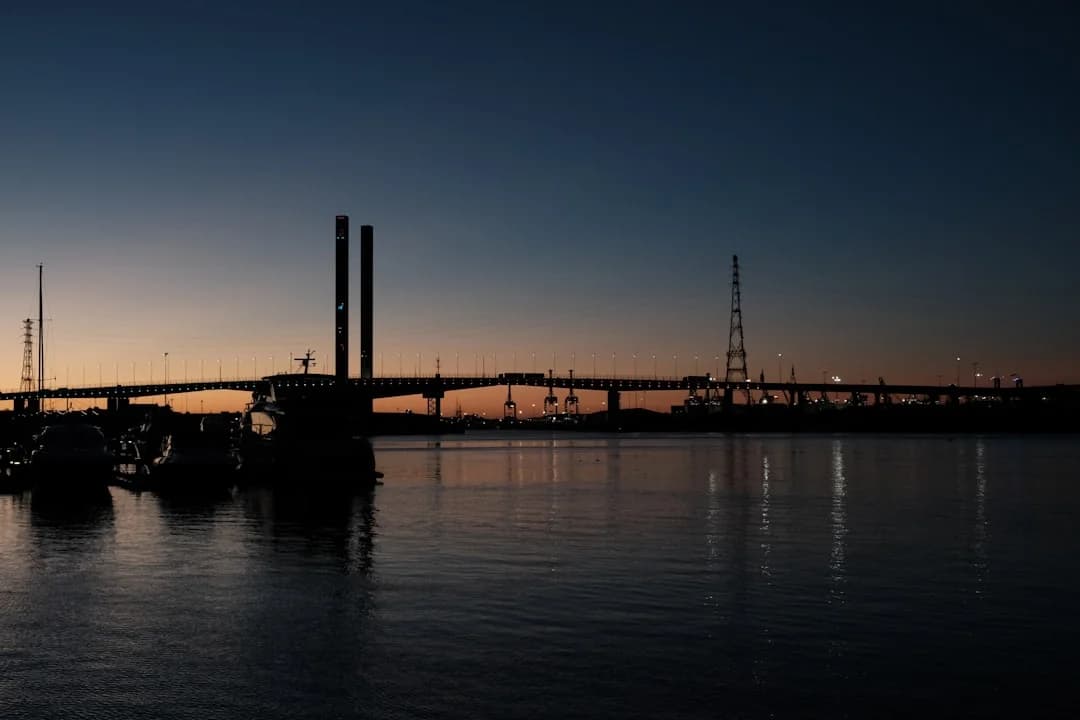
Photo by Gunnar Ridderström on Unsplash
- The relocation of the Art Gallery of Greater Victoria (AGGV) into the Arts & Innovation District is a centerpiece of the plan’s cultural strategy. AGGV’s leadership has emphasized that moving to a centralized, vibrant, arts-focused district will broaden access to collections, programs, and exhibitions for both residents and visitors, reinforcing the city’s commitment to culture as a key economic and social driver. The AGGV’s governance commentary, reported during deliberations in 2025, underscores the project’s cultural legitimacy and its potential to attract visitors and tourists to the downtown waterfront. The public-art infrastructure, plaza-style spaces, and water-edge programming are intended to anchor ongoing cultural activity and events, reinforcing the harbourfront’s role as a dynamic urban stage. (victoriabuzz.com)
- A broader economic argument surrounds expectations for job creation and economic activity. Industry coverage from RENX indicates that Reliance’s plan is expected to support more than 2,100 jobs across sectors, including retail, light industrial, office, and cultural activities, with a detailed breakdown: 308 full-time-equivalent jobs in roughly 159,600 square feet of on-site retail, 146 jobs in light industrial space, 1,568 jobs in office space, and 60 jobs at the art gallery plus associated creative activity. This multi-sector employment thesis aligns with the city’s ambition to diversify its economy through a creative- and knowledge-based industrial mix, which could translate into tax revenue, spillover spending, and broader urban vitality. While job estimates are contingent on final project approvals and market conditions, the intermediate numbers cited in planning discussions provide a framework for evaluating the project’s macroeconomic footprint. (renx.ca)
Heritage, public realm, and indigenous considerations
- Preservation of historic assets sits at the heart of the redevelopment concept. The Capital Iron Lands project incorporates three heritage Capital Iron buildings that will be preserved and adapted for compatible new uses, providing a tangible link to Victoria’s industrial past while enabling contemporary uses around them. This approach respects the city’s heritage while enabling a modern urban form. The public realm components—an extended Harbour Pathway, a waterfront plaza, and enhanced waterfront access—are designed to improve pedestrian and cycling connectivity, fostering a more activated waterfront that can host markets, performances, and cultural programming. The public realm emphasis aligns with Victoria’s broader urban design ambitions to knit together heritage, culture, and waterfront vitality. (capitalculturedistrict.ca)
- The planning framework for Capital Iron Lands intersects with the City of Victoria’s broader civic design goals, including the Victoria 3.0 initiative and the Capital Culture District’s mission to foster arts, culture, and technology in waterfront settings. The Capital Culture District page explicitly outlines a comprehensive approach to public realm, heritage preservation, and cultural integration, reinforcing the project’s alignment with a citywide strategy to leverage waterfront assets for sustainable growth. By situating AGGV, artist live-work spaces, and a diversified mix of uses within a single, waterfront-facing district, the project aims to create a model for future urban growth that balances heritage, culture, and modern urban living. (capitalculturedistrict.ca)
Stakeholder engagement and community context
- Community engagement has been a throughline of the Capital Iron Lands planning process since its earliest stages. Engagement efforts, CALUC sessions, and public events have shaped the project’s shape and the timeline for rezonings and development-permit approvals. The project’s stakeholders include not only Reliance Properties and the City of Victoria but also cultural partners, local businesses, and Indigenous communities. In particular, discussions about water access, use of harbour frontage, and collaboration with Songhees and Esquimalt Nations have been part of the public dialogue, highlighting the project’s sensitivity to Indigenous relationships with traditional lands and water. The public realm plan includes a waterfront plaza and an extended Harbour Pathway, designed to support broad public access and community events along the harbour. (renx.ca)
Section 3: What’s Next
Regulatory steps and approvals
- Regulatory approvals will continue to drive the pace of construction. The planning pathway requires rezonings and Official Community Plan amendments to support a Comprehensive Development Area. As described in the Capital Culture District materials, the rezoning process involves multiple stages, including pre-application, council consideration, and public hearings, with a target for May 2025 updates and subsequent development-permit submissions. The City of Victoria’s ongoing major projects portal and the Capital Culture District site outline the procedural steps and the related timelines, emphasizing that approvals at the municipal level are necessary before any ground-breaking work. The project’s status is thus contingent on continued regulatory progress and community engagement outcomes. (capitalculturedistrict.ca)
Next milestones and what to watch for
- The next milestones include public hearings on the rezoning and OCP amendments, followed by development-permit applications for the first phase. If approvals proceed on schedule, the first construction could begin in approximately two years, with the initial phase slated to take about three years to complete. This sequencing implies a multi-year horizon for completion, with the harbourfront progressively activated as each phase comes online. Observers will want to monitor the City of Victoria’s Development Tracker and public engagement calendars to track upcoming hearings, design workshops, and whether the public realm elements—Harbour Pathway extensions and the public plaza—are advancing on a defined timeline. (renx.ca)
- Design Victoria and allied partner organizations will likely continue publishing updates about the Capital Iron Arts & Innovation District, given Reliance’s prominent role as sponsor and its public statements about the district’s role in anchoring the city’s creative economy. The ongoing collaboration with DAUSTUDIO and other design partners, as highlighted in Design Victoria’s materials, points to a continuing emphasis on design excellence and stakeholder alignment as the project proceeds through regulatory milestones. Readers should expect periodic updates on exhibitions, design reviews, and public engagement events as part of the project’s lifecycle. (designvictoria.ca)
Closing
As Victoria advances toward a waterfront redevelopment that integrates housing, arts, and public space, the Capital Iron Lands project stands as a test case for how a city can pivot from a largely underutilized harbour front into a multi-use district that is economically productive, culturally vibrant, and publicly accessible. The unanimous council vote in January 2026 signals strong political consensus around the project’s potential, while the detailed planning documents, historical preservation commitments, and AGGV relocation plans underscore a careful balance between preservation and transformation. For residents and investors watching technology-driven growth alongside urban design, the Capital Iron Lands redevelopment represents a data-informed strategy to strengthen the city’s creative economy, address housing needs, and reimagine the harbourfront as a living laboratory for culture, innovation, and community life.
BC Times will continue monitoring the regulatory process, market signals, and community feedback as detailed milestones unfold. Readers can stay informed through City of Victoria updates, the Capital Culture District portal, and local coverage that tracks the project’s progress from rezoning through development permits to construction. In the meantime, the Capital Iron Lands redevelopment stands as a clear indicator of how Victoria intends to leverage its waterfront to attract talent, foster artists and cultural institutions, and deliver a more dynamic urban edge for decades to come.