VR-guided Nature Experiences in BC & Pacific Northwest
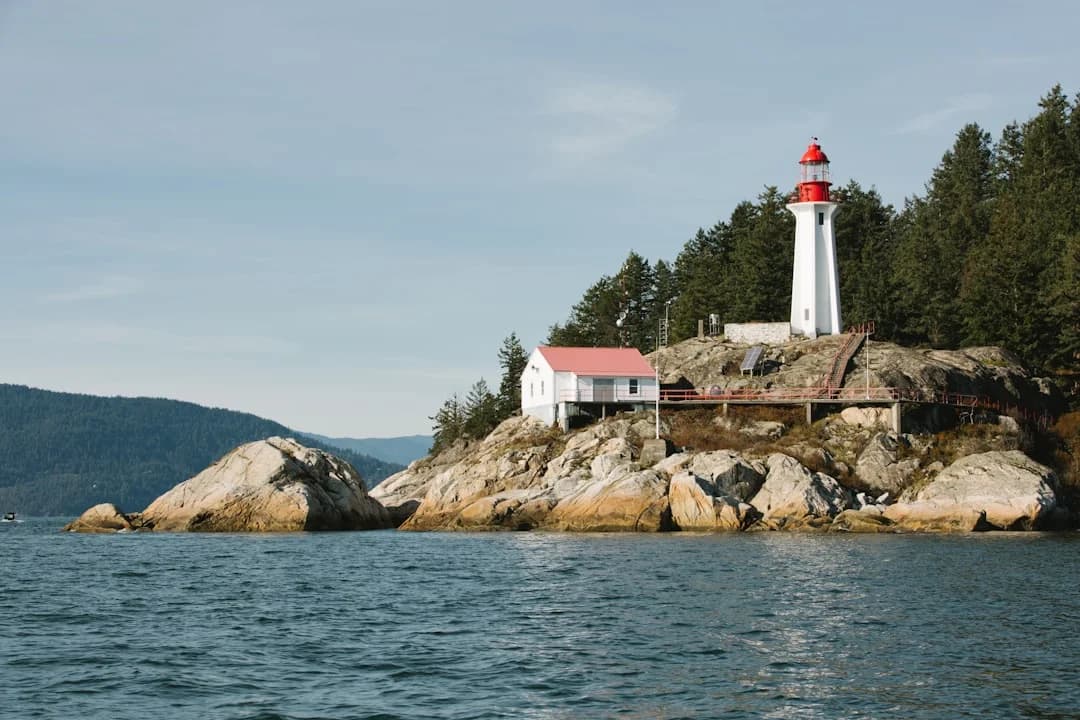
Photo by Hunter Reilly on Unsplash
In 2026, VR-guided nature experiences are moving from novelty to a measurable component of regional tourism and public life in British Columbia and the broader Pacific Northwest. Across museums, zoos, and park systems, institutions are weaving augmented and virtual reality elements into immersive experiences that blend storytelling, science, and conservation with nature. The Royal BC Museum is staging an augmented-reality encounter with an orca pod, while Woodland Park Zoo in Seattle is launching a forest-focused, multi-sensory exhibit designed to connect visitors with global forest systems. In nearby Seattle’s waterfront, a VR-driven wildlife adventure is wowing visitors, and BC Parks is expanding digital access to nature through virtual tours that let people explore BC’s parks from anywhere. These developments underscore a growing trend: technology-enhanced nature experiences that aim to educate, engage, and drive sustainable visitation. This trend matters because it broadens access to natural spaces, diversifies revenue streams for public institutions, and challenges traditional models of outdoor recreation with data-driven design and measured impact. As governments and cultural institutions balance visitor demand with conservation priorities, the question becomes not whether VR or AR has a place in nature-focused experiences, but how to scale responsible, accessible, and evidence-based programs that benefit communities and ecosystems alike. (royalbcmuseum.bc.ca)
What Happened
Announcement Details
- Royal BC Museum’s Critical Distance immersive AR experience is scheduled for January 23 to July 6, 2026. The program invites visitors to encounter a holographic Southern Resident orca pod, walking through the Salish Sea narrative with multimedia cues and guided interpretation. The experience is designed for ages 10 and up and uses visual and audio elements to illuminate the orcas’ daily challenges. This marks a notable public rollout of a high-profile AR initiative in a major provincial museum setting. The museum’s page confirms the January 23–July 6 window, the pod’s focal characters, and program details. “Step into the world of Critical Distance, an immersive augmented reality experience that brings you face-to-face with a holographic orca pod.” (royalbcmuseum.bc.ca)
- Woodland Park Zoo in Seattle announced the All-new Forest Trailhead exhibit, opening May 1, 2026. The press release describes a 12,000-square-foot, one-acre site that positions treetop-canopy experiences as the centerpiece, with red panda, tree kangaroos, and other forest species featured in a multi-sensory pavilion. The project is part of the zoo’s broader Forests for All initiative and is designed to connect visitors with global forest ecosystems while showcasing conservation work. The release highlights the canopy-path journey and the LEED Gold aspirations of the project. “Forest Trailhead is a dynamic reminder that our lives—animals and people—are connected to forests every day,” said Woodland Park Zoo President and CEO Alejandro Grajal. (zoo.org)
- In Seattle’s Elliott Bay, Sasquatch Mountain—a VR-driven ride—entered the market in spring 2026, positioning itself as a tangible example of location-based VR experiences in the Pacific Northwest. Coverage by Axios describes a ride that places riders in a mission to find Sasquatch, with gear enabling “invisible animals” visibility, a multi-sensory ride experience, and a short-form mission typical of LBVR (location-based VR) formats. The feature emphasizes the growing library of VR-driven attractions along the Seattle waterfront, including a 4D ride that blends motion and headset visuals. The piece notes a May 2026 publication date with references to a late-April 2026 rollout for the ride. Tickets are listed at $25 per adult and $20 per child. (axios.com)
- BC Parks and BC Parks Foundation, via Discover Parks, expanded access to nature through Virtual Tours, reinforcing the province’s push to offer remote, educational experiences in parallel with in-person visits. The Virtual Tours page explains that these immersive tours are designed to help people connect with British Columbia’s parks from anywhere, whether planning a trip, learning, or seeking inspiration. The page explicitly states that “Each Virtual Tour brings you closer to the landscapes, wildlife, and experiences that make BC’s parks so special.” The program is described as a collaboration between BC Parks and the BC Parks Foundation. (discoverparks.ca)
- In parallel, BC government and municipal entities continue to integrate technology-enabled nature experiences into parks and recreation programs. For example, BC’s Environment and Parks ministry highlighted accessibility upgrades across BC Parks during the 2025–26 season, including Paul Lake Park’s campground renovations to improve accessibility and user experience. The news release notes a multi-year program with a $1.6 million investment in the Paul Lake site, featuring fully accessible campsites and updated facilities, underscoring the government’s commitment to inclusive nature access. The article confirms the campground opening window and the emphasis on accessibility as a central value for new park investments. (news.gov.bc.ca)
- Finally, BC’s Queen Elizabeth Park Attractions Program, as outlined in a Vancouver Park Board report dated March 9, 2026, demonstrates a public-sector appetite for integrating nature-based experiences that leverage technology and design to boost visitor engagement while supporting conservation and education. The report identifies Greenheart and Partners as the successful proponents and details a plan that includes an elevated canopy walk and other nature-based attractions, with a stated goal of education, conservation impact, and incremental revenue for parks. While not exclusively VR, the plan reflects a broader framework in which technology-enhanced nature experiences are treated as legitimate, revenue-positive public amenities. (parkboardmeetings.vancouver.ca)
Timeline and Key Facts
- January 23, 2026–July 6, 2026: Critical Distance AR experience at Royal BC Museum (Victoria, BC) focused on a holographic orca pod; interactive elements and audience age guidance are included. The exhibit runs for a defined window, with admission details published on the museum page. (royalbcmuseum.bc.ca)
- May 1, 2026: Forest Trailhead, a new all-season exhibit at Woodland Park Zoo, opens to the public in Seattle, WA. The project features a treetop canopy pathway and a pavilion dedicated to forest conservation storytelling, with a long-running campaign (Forests for All) backing the initiative. (zoo.org)
- Spring 2026 (April–May window): Sasquatch Mountain VR ride debuts on Seattle’s Elliott Bay waterfront as part of a broader iteration of VR-centric experiences along the promenade. Coverage emphasizes the use of VR and motion to simulate an outdoors-friendly adventure in an urban setting. (axios.com)
- 2026: Discover Parks Virtual Tours expand access to BC’s parks via online, self-guided experiences, enabling remote exploration and planning. The program remains a collaboration between BC Parks and the BC Parks Foundation and lists a growing roster of tours across Vancouver Island, the Fraser Valley, the North Shore, and beyond. (discoverparks.ca)
- March 9, 2026: Vancouver Park Board approves the Queen Elizabeth Park Attractions Program, identifying Greenheart & Partners as the lead contractor and outlining a plan to bring tree canopy walks, zip lines, and related services to Vancouver’s Queen Elizabeth Park; the program aims to connect nature education with revenue-generation and enhanced park experiences. (parkboardmeetings.vancouver.ca)
Stakeholders
- Royal BC Museum and Nature Canada: The Critical Distance AR project is produced by Vision3 and Nature Canada, built in collaboration with Canadian museum and conservation partners. The AR installation aligns with the museum’s public-engagement mission and supports science communication about orcas. (royalbcmuseum.bc.ca)
- Woodland Park Zoo and the Forests for All campaign: Forest Trailhead represents a major capital project aligned with the zoo’s conservation programs and fundraising for forest preservation, with a focus on bringing forest ecosystems to life for urban visitors. The zoo’s leadership emphasizes education, conservation, and community engagement as central themes of the project. (zoo.org)
- Sasquatch Mountain and Pier 57 development in Seattle: The new VR ride is part of Seattle’s broader waterfront revitalization, integrating VR storytelling with a physical venue to attract families and tourists to the downtown waterfront. Axios’ coverage highlights ticket pricing and the experience’s cinematic, multi-sensory design. (axios.com)
- Discover Parks and BC Parks Foundation: The virtual tours program represents a formal collaboration to modernize park access through digital experiences, emphasizing educational content, accessibility, and visitor planning. (discoverparks.ca)
- Vancouver Park Board and Greenheart & Partners: The Queen Elizabeth Park Attractions Program signals municipal support for eco-attractions that blend nature with immersive design, with an eye toward educational outcomes and incremental revenue for park operations. (parkboardmeetings.vancouver.ca)
Why It Matters
Economic and Visitor-Engagement Impacts
- The integration of VR/AR and immersive experiences in public spaces—museums, zoos, and park systems—has direct implications for attendance, audience diversification, and revenue models. In the Woodland Park Zoo case, the Forest Trailhead exhibit is part of a broader fundraising and development plan (Forests for All) designed to expand exhibits and conservation programs, while aiming to attract a broader urban audience and increased per-visit spend. The zoo frames the project as a catalyst for conservation education, with a strong emphasis on accessibility, energy efficiency, and sustainable design. These factors collectively contribute to a multi-faceted economic model where capital investments are offset by new visitor experiences, memberships, and merchandise. The zoo’s official materials underscore a strategy that ties financial sustainability to conservation outcomes. This kind of approach is increasingly common among major urban zoos seeking to balance public access with a mission-driven agenda. (zoo.org)
- BC Parks’ Discover Parks Virtual Tours illustrate a digitization of park-access strategy that broadens reach beyond geographic constraints. By offering immersive, self-guided virtual experiences, BC Parks and the BC Parks Foundation can engage students, remote visitors, and potential travelers who might not be able to visit in person. This approach supports ongoing interest in BC’s parks and can influence future in-person visitation patterns, potentially smoothing peak-season demand while raising awareness about park conservation. The BC Parks page emphasizes that virtual tours bring users closer to landscapes, wildlife, and experiences, reinforcing a value proposition that complements physical visits. (discoverparks.ca)
- The Queen Elizabeth Park Attractions Program demonstrates municipally backed private-public collaboration to develop new eco-attractions. The project is described as a vehicle for “education/conservation programming” and “incremental revenues” that can be reinvested into the parks system. The business case includes a capital expenditure of roughly $2.5 million for the initial phase, aimed at balancing public access with environmental stewardship. If approved, the program could serve as a blueprint for similar ventures in other urban parks in the Pacific Northwest. (parkboardmeetings.vancouver.ca)
- Across the Pacific Northwest, VR-driven experiences at major attractions reflect a broader shift toward experiential tourism. The Sasquatch Mountain ride on Seattle’s waterfront highlights the demand for immersive, family-friendly attractions in urban waterfront redevelopments, while Dimension XR’s model in Western Washington shows a market for multi-location VR entertainment that can be applied to nature themes in future iterations. These developments demonstrate how VR is becoming a supplement to, rather than a replacement for, tangible experiences in natural settings. (axios.com)
Educational and Environmental Implications
- AR and VR enable new modes of environmental education that can scale beyond classroom walls. Critical Distance, for example, is designed to educate visitors about the Salish Sea orca pod by overlaying information in real- or near-real time, potentially increasing awareness of habitat threats and conservation priorities. The museum format also provides a controlled environment to ensure accessibility and safety while featuring scientifically grounded content. The AR-based approach augments traditional exhibits by offering an immersive lens through which visitors can learn about behavior, diet, social dynamics, and environmental challenges. The museum’s page confirms the design and audience-targeting intent of this AR installation. (royalbcmuseum.bc.ca)
- Forest-focused exhibits like Forest Trailhead translate forest ecology into tangible, story-driven experiences that connect visitors with conservation messages and real-world threats facing forest ecosystems, including habitat fragmentation and climate impact. The Forest Trailhead release quotes emphasize forest conservation messaging and the role of human visitors as active participants in conservation. The project is positioned as a living education platform that can host interpreter talks, guided programs, and school group activities—important for long-term ecological literacy. (zoo.org)
- Accessibility is a recurring differentiator in 2026’s VR/AR nature initiatives. BC’s Paul Lake Park upgrades, and broader accessibility investments in BC Parks, reflect a policy focus on ensuring that nature experiences are usable by people of all ages and abilities. This inclusive approach increases the potential audience for VR-guided or AR-enabled experiences while reducing barriers to entry for people with mobility considerations. The BC Gov News release highlights these accessibility upgrades as a central objective and notes the scope of the ongoing program. (news.gov.bc.ca)
- Indigenous and local-community engagement is a consistent thread in many of these projects. The Queen Elizabeth Park plan explicitly references opportunities for Indigenous education integration and community partnerships; Woodland Park Zoo’s Forests for All initiative has long engaged local and Indigenous communities in interpretive programming and conservation partnerships; such collaboration helps ensure that VR/AR nature experiences are culturally respectful and inclusive. The Vancouver Park Board document points to community engagement as a core element of the program, with stakeholder input shaping design and educational content. (parkboardmeetings.vancouver.ca)
What’s Next
Short-Term Milestones (2026)
- May 1, 2026: Forest Trailhead opens at Woodland Park Zoo in Seattle, inaugurating a new era of forest-themed exhibits designed to educate the public about global forest ecosystems and conservation. The opening also advances the Forests for All campaign, which aims to fund future conservation and exhibition initiatives. The zoo’s press release confirms the date and the scope of the exhibit. (zoo.org)
- January 23–July 6, 2026: Critical Distance AR experience at Royal BC Museum runs in Victoria, offering a guided AR encounter with a holographic orca pod to complement in-person learning and museum programming. The exhibit period is finite, with admission policies and times posted by the museum. This schedule anchors BC’s year in tech-enabled nature storytelling. (royalbcmuseum.bc.ca)
- Ongoing 2026: BC Parks expands virtual accessibility through Discover Parks Virtual Tours, with a growing library of park-specific tours that allow users to explore wells-gray, lakes, coastlines, and forested areas from a distance. The program remains a collaboration between BC Parks and the BC Parks Foundation, highlighting a strategic emphasis on hybrid experiences that combine online accessibility with on-site visits. (discoverparks.ca)
- Spring 2026 onward: Sasquatch Mountain VR ride opens on Seattle’s waterfront, representing a new wave of VR-driven, location-based experiences in the Pacific Northwest. The venue’s concept—an urban VR adventure tied to a Northwest-authentic myth—illustrates how the region is leveraging VR to expand entertainment offerings in urban settings while tapping into nature-themed storytelling. (axios.com)
Longer-Term Outlook (2027 and beyond)
- The combination of AR-enabled museum experiences, VR-focused entertainment venues, and park-based VR/AR attractions in BC and the Pacific Northwest signals a broader, ongoing evolution in how people engage with nature. If current programs sustain funding and community support, we can expect:
- More park systems adopting virtual-guided components to broaden access, including school groups and remote communities.
- Expanded collaborations between cultural institutions, conservation groups, and technology providers to scale immersive experiences while maintaining ecological integrity.
- A more explicit integration of Indigenous knowledge and stewardship in VR/AR interpretive content, aligning with reconciliation and partnership principles common to the region.
- The economic rationale—capital investments tied to long-term visitor engagement and fundraising—suggests that 2027 and beyond could see more multi-partner ventures similar to Queen Elizabeth Park’s attractions program, with a clearer framework for revenue reinvestment in park ecosystems. The Vancouver Park Board’s March 2026 report outlines a replicable model in which private partners deliver attractions, the city manages access and conservation messaging, and revenues are directed back into park improvements. If this model proves sustainable, more urban parks may pilot tech-enabled nature experiences in the years ahead. (parkboardmeetings.vancouver.ca)
Closing
The year 2026 is shaping up as a turning point for VR-guided nature experiences in BC and the Pacific Northwest. From the Royal BC Museum’sCritical Distance AR exhibit to Woodland Park Zoo’s Forest Trailhead and Seattle’s Sasquatch Mountain VR ride, public institutions are testing the boundaries of how technology can illuminate ecological systems while expanding access to nature through immersive storytelling. BC Parks’ virtual tours offer a parallel path, allowing people to experience park landscapes remotely and plan physical visits more effectively. Taken together, these developments illustrate a growing, data-informed approach to nature experiences that emphasize education, accessibility, and conservation outcomes alongside entertainment value.
As these programs mature, readers should watch for shifts in attendance patterns, funding models, and partnership structures that could influence how other parks and cultural venues deploy VR and AR to enhance public engagement with nature. For the BC portion of the story, ongoing updates to museum exhibits, park accessibility improvements, and new digital experiences will be key indicators of the sector’s trajectory. In the Pacific Northwest, urban parks and entertainment venues will likely continue to experiment with hybrid experiences that fuse the thrill of VR with the beauty of real-world landscapes, aiming to deliver educational value, economic vitality, and environmental stewardship in tandem. For residents and visitors alike, VR-guided nature experiences in BC and Pacific Northwest are increasingly part of the fabric of how people learn about, connect with, and protect the natural world.
If you’re planning a trip or a local outing, staying informed about these advances is essential. BC Parks’ Discover Parks Virtual Tours and the Royal BC Museum’s upcoming AR exhibits can be starting points for understanding what’s possible in 2026—and what might unfold in 2027 as the technology and partnerships mature. For more, monitor park board reports, museum announcements, and zoo communications throughout the year, as official sources will outline new programming windows, pricing, and accessibility options as they are announced. The convergence of nature and digital experiences is still evolving, but the path toward accessible, engaging, and conservation-minded VR-guided nature experiences in BC and the Pacific Northwest appears clearer than ever.