Whistler Climate-resilient Snowmaking Upgrades Expected

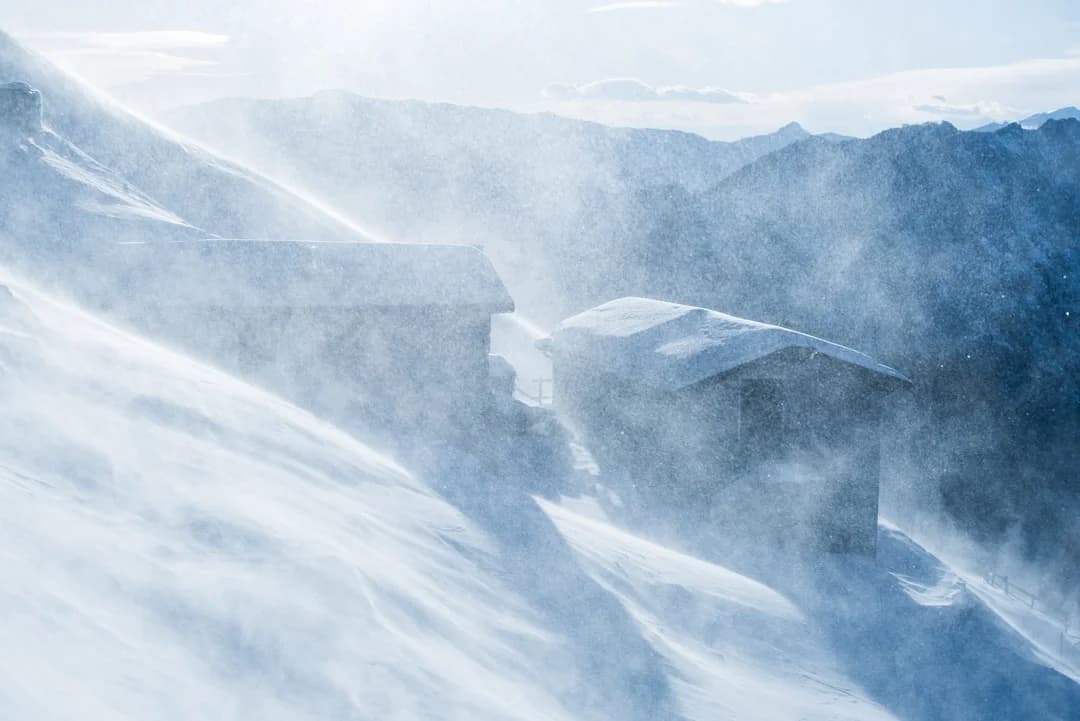
Photo by Alessio Soggetti on Unsplash
Whistler, British Columbia — As climate variability continues to reshape mountain operations, Whistler Blackcomb and its parent company have pursued a suite of investments aimed at making snow production and lift infrastructure more resilient to warming trends and uncertain winters. While there is no single public announcement titled exactly “Whistler climate-resilient snowmaking upgrades,” the combination of expanded snowmaking capacity, glacier-preservation initiatives, and capital upgrades to lifts over the past decade demonstrates a clear, ongoing emphasis on weather-independent operations and season-extension. For readers tracking technology and market trends in winter tourism, these moves signal a broader industry shift toward climate resilience, energy efficiency, and guest experience reliability in a changing climate.
This context matters not only for skiers and riders but for Whistler’s tourism economy, which relies on a lengthy winter season and increasingly adaptive summer offerings. Whistler’s sustainability commitments, including Epic Promise-driven goals to reach net zero emissions by 2030, frame these infrastructure programs as part of a broader strategy to decouple guest experience from raw weather variability. As BC Times surveys the landscape in early June 2026, it’s evident that Whistler climate-resilient snowmaking upgrades are less about a single new system and more about a continuum of improvements that blend snowmaking technology, lift capacity, and environmental stewardship. These elements together help extend usable season windows, reduce weather risk for operators, and maintain the resort’s competitive position in a shifting market for mountain recreation.
What Happened
Epic Lift Upgrade: a cornerstone of capacity and reliability
Whistler Blackcomb’s lift infrastructure has undergone a multi-year, multi-phase upgrade program under the Epic Lift Upgrade umbrella managed by Vail Resorts. The resort’s official anniversary materials and recent season updates highlight major lift replacements that have reshaped throughput and guest flow. In particular, Winters 2018–2019 saw the replacement of several key lifts with higher-capacity, more efficient models, including Blackcomb’s upgrade trajectory and Whistler Mountain’s capacity increase. The most widely cited milestones include:
- The Creekside Gondola replacement with a new 10-passenger gondola as part of the Epic Lift Upgrade. This upgrade, announced and implemented during the late 2010s, increased capacity and reduced wait times in a busy zone that serves summer and winter guests alike. The upgrade is documented in the resort’s anniversary materials as part of a broader lift modernization push. (whistlerblackcomb.com)
- Upgrades to Jersey Cream and Fitzsimmons in subsequent years, including Jersey Cream’s climb to a high-speed six-pack and Fitzsimmons’ relocation/upgrading sequence in the same era. These changes are captured in the detailed lift-upgrade chronology on the Whistler Blackcomb anniversary page, which emphasizes the incremental capacity gains and the goal of a more seamless guest experience across both mountains. (whistlerblackcomb.com)
- The overall lift-improvement program, described as the fourth major upgrade since 2022 in one official press release, underscores a deliberate strategy to expand lift capacity, shorten ride times, and improve weather resilience by reducing exposure to bottlenecks during peak periods. The same public materials note that these improvements increase system reliability and guest flow during demanding conditions. (whistlerblackcomb.com)
For readers who want a concrete sense of scale, the Whistler Blackcomb Anniversary page notes that the Epic Lift Upgrade in 2018-2019 delivered multiple high-speed chairlifts and gondola capacity enhancements that collectively improved throughput by notable percentages. While the exact numbers vary by lift and season, the narrative is clear: higher-capacity lifts translate into shorter lines, more predictable access during shoulder seasons, and a more robust operating plan when snow reliability dips. This is especially relevant in a climate where snowfall patterns can be inconsistent, pushing operators to rely more on lift efficiency and guest management to maintain a reliable guest experience. (whistlerblackcomb.com)
Horstman Glacier snowmaking pilot: a landmark climate-adaptation effort
Beyond lifts, Whistler Blackcomb has experimented with on-mountain snowmaking to support glacier preservation and early-season access. The Horstman Glacier pilot project, launched in 2015, tested four low-energy snowmaking guns at high altitude with water drawn from a dedicated reservoir. The project aimed to determine whether a limited snowmaking system could help preserve the glacier’s surface quality for both winter and summer snow activities, while providing a potential model for climate-adaptive infrastructure in alpine environments. The pilot’s rationale and details were publicly stated by resort leadership, who framed it as a data-driven exploration of resilience rather than a blanket upgrade. The project used four low-energy guns, water from a snowmaking reservoir, and a plan to assess long-term resilience through a one-year data collection cycle. Given the glacier’s sensitivity to warming trends, the pilot was positioned as a crucial test case for how climate pressures might be addressed through targeted snowmaking investments. >“If the pilot project is conclusive, this unique project will become a significant addition to Whistler Blackcomb’s list of adaptations to ensure long term resilience against climate change,” Whistler Blackcomb’s leadership explained during the rollout. (powdercanada.com)
Historical context matters here. The Horstman Glacier has faced long-term recession, including the closure of the Horstman T-bar in 2020 as the glacier retreated from its original alignment—a reminder that glacier dynamics, not just seasonal variability, shape modernization needs. While the Horstman Glacier snowmaking pilot did not become a universal, ongoing glacier-snowmaking program, it remains a touchstone in the resort’s broader climate-adaptation playbook. The pilot’s emphasis on low-energy snow guns and data-driven evaluation aligns with the industry’s ongoing emphasis on energy efficiency and resilience in a warming climate. (whistlerblackcomb.com)
A broader climate-resilience framework: net-zero commitments and community plans
Whistler Blackcomb’s parent company, Vail Resorts, frames resilience in the context of a broader corporate responsibility framework. The company’s Epic Promise and related sustainability commitments set a target of zero net emissions, zero waste to landfill, and zero net operating impact on forests and habitat by 2030 for its properties, including Whistler Blackcomb. This long-term, explicit commitment provides a governance and performance context for the more incremental upgrades seen on the mountains. In Whistler’s own sustainability materials and the municipality’s Big Moves Strategy, the path to 2030 net-zero is described as a multi-stakeholder effort spanning transportation, buildings, and resource management, reinforcing the view that climate-resilient snowmaking upgrades sit within a comprehensive program rather than a stand-alone project. (whistler.com)
The 60th Anniversary narrative also situates these upgrades within a broader, multi-year arc of capital investments. It notes that the 2018-2019 upgrades were a turning point for lift capacity, followed by 2023-2024 and 2024-2025 additions that further boosted throughput. The anniversary page confirms that Whistler Blackcomb kicked off its 60th winter season on November 21, 2025, and that the anniversary storyline continues to emphasize modernization as a core operating principle. Taken together, these data points illustrate a pattern of climate-informed investment rather than a single, isolated program. (whistlerblackcomb.com)
What the data suggest about climate resilience and market trends
Taken as a whole, the available evidence indicates that Whistler climate-resilient snowmaking upgrades are being pursued through a combination of targeted snowmaking pilots, strategic lift upgrades, efficiency-focused technology adoption, and alignment with a broader environmental agenda shaped by local and corporate goals. The Horstman Glacier pilot demonstrates a willingness to experiment with low-energy, water-efficient snowmaking as a climate-adaptation tool, albeit in a limited scope. The lift upgrades, by contrast, reflect a structural approach to resilience: reducing vulnerability to crowding and weather-driven variability by increasing capacity and reliability of access. The net-zero commitments add an ambitious governance layer, suggesting that future investments are likely to emphasize energy efficiency and environmental stewardship as core project criteria.
Experts and observers in the tourism and ski-industry space have long argued that snowmaking improvements are central to climate resilience because they directly influence a resort’s ability to open and stay open when natural snowfall is scarce or erratic. Whistler Blackcomb’s documented snowmaking footprint—one of the most extensive on the continent, with hundreds of snow guns across both mountains—positions the resort to leverage weather windows more effectively and to calibrate water and energy use through adaptive management. This approach aligns with broader industry trends toward energy-efficient equipment and climate-conscious operations, which have been central to many ski-area modernization programs since the early 2010s. For background on the general trend toward more energy-efficient, climate-resilient snowmaking technology, see industry syntheses and historical case studies, including the Horstman Glacier pilot and other glacier-preservation efforts that have informed the field. (powdercanada.com)
It’s also worth noting the local policy backdrop. The Resort Municipality of Whistler’s Big Moves Strategy anchors climate action in transportation, buildings, waste reduction, and broader decarbonization goals that mirror provincial and national climate initiatives. The municipality’s focus on reducing emissions by 50% below 2007 levels by 2030, with a longer-term aim toward net-zero, provides a policy signal that climate resilience—through infrastructure like snowmaking and lift systems—will be evaluated through the lens of environmental impact as well as guest experience. This alignment between corporate commitments and municipal climate actions reinforces the plausibility and credibility of ongoing Whistler climate-resilient snowmaking upgrades as part of a broader strategy. (whistler.com)
Why It Matters
Impact on season length, reliability, and guest experience
Photo by Johannes Waibel on Unsplash
Whistler’s emphasis on climate resilience—manifested in snowmaking capability, lift efficiency, and sustainability targets—primarily aims to stabilize the guest experience in the face of unpredictable winters. When weather is cooperative, enhanced lifts reduce wait times and improve throughput; when it isn’t, snowmaking capacity can help seed early-season terrain and maintain service levels. The 2018-2019 lift upgrades, and subsequent enhancements such as Jersey Cream’s six-pack upgrade and the Creekside gondola replacement, have been positioned by Whistler Blackcomb as directly contributing to a more reliable opening and smoother peak-season operations. In practice, higher-capacity lifts and more weather-resilient snowmaking systems can help an operator navigate late-season conditions and variable snowfall patterns, supporting longer operating windows and more consistent terrain access for visitors. The Lift Upgrade narrative, including capacity gains and the ability to download and re-upload using integrated gondolas, underscores a tangible link between infrastructure modernization and operational resilience. (whistlerblackcomb.com)
The Horstman Glacier snowmaking pilot offers a specific example of resilience-oriented thinking: the potential to preserve glacier conditions and expand summer or shoulder-season access through selective, energy-conscious snowmaking. Even though the pilot did not become a universal upgrade, its existence signals how Whistler Blackcomb is willing to test climate-adaptive technologies that might inform future, larger investments. The pilot’s emphasis on data-driven decision-making—collecting performance data to evaluate feasibility—parallels a broader industry shift toward evidence-based capital planning in a climate-uncertain environment. (powdercanada.com)
Economic considerations for a climate-aware tourism economy
From an economic perspective, climate-resilient snowmaking upgrades are an investment in forecastability. For a resort that relies on a multi-month winter season and a growing summer appeal (the Invictus Games Vancouver Whistler 2025, Crankworx events, and expanding Peak-to-Peak-related experiences), reducing weather-driven risk translates into steadier visitation, longer seasons, and a more predictable revenue baseline. The 60th Anniversary communications emphasize that modernization efforts—lift upgrades, enhanced guest experiences, and integrated technology—are central to maintaining Whistler Blackcomb’s market-leading position. When paired with a clear plan to reach net-zero by 2030, these investments take on a broader strategic significance beyond mere improvements to snowmaking or lifts. They become part of a broader value proposition that appeals to travelers who value reliability, sustainability, and year-round access. (whistlerblackcomb.com)
The sustainability axis: net-zero commitments and local policy alignment
The alignment between Whistler Blackcomb’s sustainability commitments and municipal climate action plans is central to understanding the strategic logic of climate-resilient upgrades. The Epic Promise framework and its 2030 net-zero target create a governance lens through which each capital project—whether a snow gun upgrade, a lift upgrade, or a new energy-management initiative—can be assessed for environmental impact and long-term feasibility. The municipality’s Big Moves Strategy reinforces the same climate objectives at the local level, making it more likely that future infrastructure investments will be evaluated for emissions, water use, and ecosystem impacts. For readers analyzing market trends, this coherence between resort-level ambitions and community-wide climate goals signals a credible, long-term path to climate resilience that also aligns with broader Canadian climate policy directions. (whistler.com)
Stakeholder implications: workers, operators, and guests
Operational improvements that increase capacity and reliability typically bring workforce implications, including the need for more lift technicians, snowmaking specialists, and on-mountain staff training to handle new equipment and procedures. The Whistler anniversary materials note continued staff training and operational readiness as part of lift upgrade events and seasonal ramp-ups, underscoring the human capital dimension of modernization efforts. For guests and the local community, climate-resilient upgrades translate into better service levels and a more predictable mountain experience, even in a year with anomalous snowfall patterns. The Invictus Games event in 2025 and the continued expansion of the resort’s guest services infrastructure reflect the broader trend of integrating climate resilience with event-led tourism, which can drive both economic activity and the need for robust operations. (whistlerblackcomb.com)
The risk factors and trade-offs
While the trajectory toward climate-resilient upgrades is clear, readers should also consider potential trade-offs. Snowmaking, even when modernized, consumes water and energy, raising questions about resource efficiency and environmental footprints. Corporate commitments to net-zero by 2030 and municipal waste and energy programs help mitigate these concerns, but the practical balance between high-capacity snow production and environmental stewardship remains a live topic for policymakers, resort operators, and guests. The Horstman Glacier pilot demonstrates a cautious approach to new technologies—pilot projects, data collection, and phased implementation—highlighting the industry’s preference for measured, data-driven adoption rather than sweeping, untested deployments. In short, climate resilience is not a single-system fix; it is an integrated strategy that must harmonize technology choices with sustainability targets and community needs. (powdercanada.com)
What’s Next
Upcoming projects and timelines
Whistler Blackcomb’s official materials indicate a continuing cadence of modernization, with emphasis on capacity improvements and service reliability. The 60th Anniversary narrative shows that the lift-upgrade program is ongoing, and future years are likely to bring additional capacity enhancements, new high-speed lifts, and possibly further gondola or chairlift replacements as existing assets near the end of their service lives. The exact timing and scope of next upgrades remain subject to safety, design, and funding considerations, but all signs point to an iterative, milestone-driven approach rather than a one-off project. Observers should watch for updates in resort communications and Vail Resorts’ broader lift-upgrade announcements, particularly as peak demand continues to shift with changing climate patterns and evolving guest expectations. The year 2026 could see phase-adjusted improvements that align with both operational needs and sustainability criteria, building on the current upgrade trajectory. (whistlerblackcomb.com)
Monitoring indicators and what to watch for
For readers who track climate-resilience indicators, several metrics will be telling as Whistler’s upgrade program progresses:
- Capacity metrics: any percentage increase in lift throughput (e.g., per-lift capacity improvements and overall system capacity) tied to specific upgrades.
- Snowmaking efficiency: changes in energy use per unit of snow produced, water-use efficiency, and the adoption of low-energy guns or automated controls.
- Glacier-adjacent operations: outcomes from the Horstman Glacier pilot, including winter-season performance, summer operations feasibility, and any subsequent expansion decisions.
- Sustainability benchmarks: progress toward the Epic Promise 2030 targets, including emissions reductions, waste diversion, and forest-habitat impact metrics.
- Guest experience signals: changes in opening dates, average wait times, on-mountain service levels, and participation in new programs (e.g., contactless lift access, enhanced mobility options).
The combination of these indicators will help determine whether Whistler climate-resilient snowmaking upgrades are delivering the intended balance of reliability, efficiency, and environmental stewardship. (powdercanada.com)
A look at season planning and guest communication
Season planning in a climate-affected region depends on both infrastructure readiness and transparent communication with guests. Whistler’s Know Before You Go guidance for the 2025/26 season emphasizes the importance of accurate opening dates, operational changes, and guest experience optimizations. This is complemented by the resort’s carpooling initiatives and new app-based access tools designed to streamline entry and reduce congestion—all part of a broader strategy to deliver a smoother, more climate-resilient guest journey. As the resort continues to evolve its offerings, guests should expect ongoing updates on lift operations, snow conditions, and accessibility improvements. (whistler.com)
Closing
In sum, Whistler climate-resilient snowmaking upgrades appear less as a single, headline-grabbing project and more as a coherent, multi-year strategy that weaves together snowmaking technology, lift capacity enhancements, glacier-adaptation experiments, and a broad commitment to sustainability. The resort’s lift-upgrade program demonstrates a clear focus on reliability and capacity, while the Horstman Glacier pilot underscores a willingness to test climate-adaptive technologies in partnership with data-driven decision-making. Together with Whistler’s Commitment to Zero through Epic Promise and the municipality’s Big Moves Strategy, these efforts position Whistler Blackcomb to navigate a warming future with a more resilient operational blueprint and a stronger value proposition for guests and communities alike. As readers and industry watchers, we will continue to monitor official updates, investor communications, and independent analyses to assess how these climate-resilient snowmaking upgrades translate into tangible benefits on and off the mountain in the months and years ahead.
Photo by James Lewis on Unsplash
For updates on Whistler Blackcomb’s ongoing modernization and climate-resilience initiatives, follow official resort communications, the Vail Resorts Newsroom for lift-upgrade announcements, and local sustainability reports from Tourism Whistler and the Resort Municipality of Whistler.
—