Whistler Ski Season Extends Into Late Spring

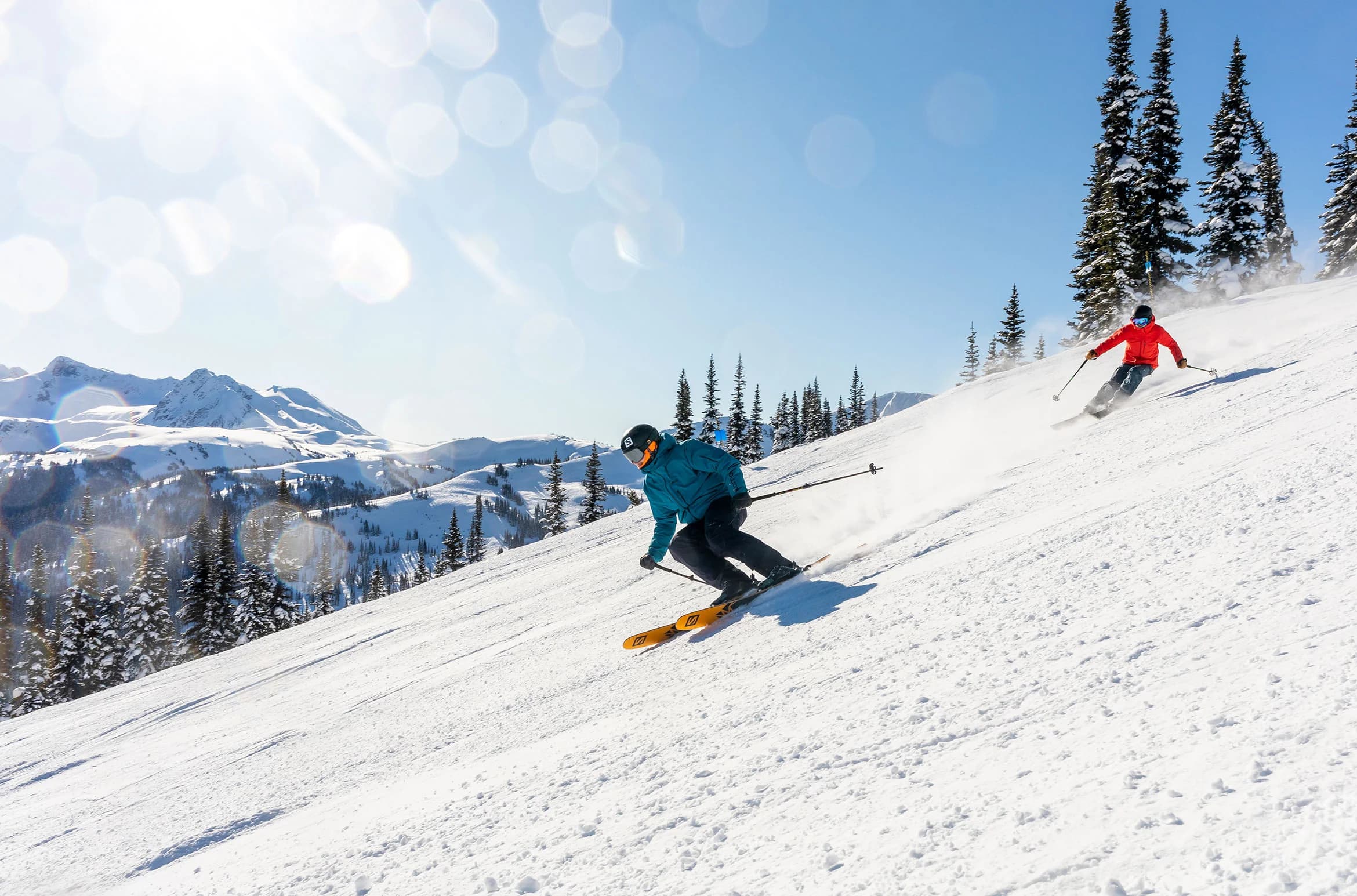
For BC Times readers, the story of Whistler ski season extends into late spring isn’t just a calendar note. It’s a signal of changing snow patterns, a shifting tourism economy, and a broader West Coast culture that values mountain access across more than one season. In British Columbia, the mountains have a way of redefining how people live, work, and play. As the days lengthen and temperatures climb, Whistler’s slopes continue to welcome skiers and riders well into spring, transforming a once-strict winter rhythm into a more fluid, multi-season cadence. Whistler ski season extends into late spring. This evolving timing is reshaping businesses, guiding conservation considerations, and inviting communities to rethink how they experience the Sea to Sky corridor and beyond. This piece from BC Times — independent journalism covering British Columbia, Vancouver, and the Pacific Northwest — dives into the what, why, and how of this seasonal shift, with perspectives from local business owners, environmental scientists, and seasoned resort employees.
The extended spring spine of Whistler’s ski season is anchored in the mountains themselves, in the way the snowpack persists, and in the increasingly varied calendar of events that stretch into late spring. In recent years, Whistler Blackcomb and partner operations have demonstrated a pattern: spring skiing arrives earlier to guests in late winter, lingers through March and April, and in some years continues into May on one of the two mountains. This pattern has practical consequences for lodging, dining, transportation, guides, and mountain operations — all of which are shaped by weather, policy updates, and the timing of major events in the region. For readers who want to know exactly how the season unfolds, official resort updates and regional reporting provide precise, year-specific dates. As a baseline, spring operation updates highlight that the Whistler Mountain sector and the Peak 2 Peak Gondola typically transition to spring operations in late April, with Blackcomb often maintaining more extensive spring access into May, depending on conditions. (blog.whistlerblackcomb.com)
Understanding the seasonal shift: snow, daylight, and the evolving spring landscape
The Whistler experience in spring is defined by more than snow depth; it’s about the day length, lapse in shadows on the slopes, and a cascade of outdoor opportunities that invite visitors to stay longer and spend more. Whistler Blackcomb’s spring skiing details note that April often sees substantial snowpack along with bluebird days, which encourages longer visits and a different rhythm than mid-winter peak weeks. The official resort page highlights April snowfall averages and the typical transition to single-mountain operations as the World Ski & Snowboard Festival and other spring happenings take center stage. In practical terms, this means visitors should plan for variable conditions from the alpine to the valley and be prepared for changing lift schedules as the season winds down. (whistlerblackcomb.com)
Seasonal timing matters for local economies and the BC West Coast experience
From a business perspective, spring access translates into longer windows for lift operations, après-ski, dining, and experiential packages. In 2025, Whistler Blackcomb posted spring operation updates noting that Whistler Mountain and Peak 2 Peak would end their winter operations in late April, with Blackcomb continuing into May for spring skiing. These schedules influence where visitors dine, which gear shops stay open, and how tour operators align their mountain experiences with the calendar. It’s not just about downhill runs; it’s about the broader ecosystem that supports visitors who arrive for powder in winter and linger for sun-soaked days in spring. Local outlets and travel partners have framed this as a strategic opportunity to extend shoulder-season occupancy and spread spending across more weeks of the year. (blog.whistlerblackcomb.com)
Case study: World Ski & Snowboard Festival and spring continuity
One of the hallmark events that marks spring’s arrival in Whistler is the World Ski & Snowboard Festival, a convergence of competitions, concerts, and cultural happenings that draw visitors from around the region and beyond. The festival’s timeline often coincides with the tail end of the traditional snow season, reinforcing the message that spring in Whistler is not a lull but a diversified season with its own attractions. Resort officials emphasize that spring access can vary by component (skiing, riding, sightseeing) and that events like the festival help sustain the local economy by attracting extended stays and midweek attendance. As always, guests are advised to monitor daily updates from the resort and to plan with flexibility. (piquenewsmagazine.com)
A deeper dive into the numbers: how long does the season last?
The precise end of the season shifts year to year, but the pattern is clear: Whistler’s winter operations often finish on a date in late April to mid-May for Blackcomb, with Whistler Mountain concluding earlier in some years, depending on weather. For 2024-25, Whistler Mountain wound down in late April, with Blackcomb extending into May, and with the season potentially continuing into the bike park phase in May and beyond. These dates are not fixed; they reflect a dynamic interplay between snow conditions, temperatures, and resort scheduling. If you’re planning a trip, the most reliable approach is to consult the latest official updates from Whistler Blackcomb and local outlets. (blog.whistlerblackcomb.com)
Spring tourism and West Coast culture: what visitors should know
In broader West Coast culture, spring ski experiences embody a philosophy of outdoor living that blends mountains, coastal climates, and urban access. Tourists visiting Whistler often arrive with a flexible plan: ski or ride in the mornings, switch to activities in the afternoon, and enjoy après-ski culture on long sunny days. The spring season is often described as more relaxed and family-friendly, with longer daylight hours inviting extended patio time, spa visits, and exploration of Whistler Village. The official spring page from Tourism Whistler notes that spring offers longer days, softer snow, and an abundance of après-ski and dining options that appeal to families and seasonal workers alike. This aligns with a broader BC Times narrative about the Pacific Northwest’s culture of outdoor-lifestyle living, where mountain access complements urban life. (whistler.com)
Environment and conservation: balancing snow, water, and ecosystems
From an environmental perspective, the extension of the ski season into late spring raises important questions about snowpack health, water resources, and local ecosystems. Snowpack persistence in spring has implications for water supply and alpine habitats; as climate patterns shift, resort operators and researchers monitor how freeze-thaw cycles affect terrain stability, avalanche risk, and soil erosion. The Whistler region has been a focal point for this type of monitoring, with seasonal updates emphasizing that conditions can change rapidly and that guests should be prepared for variable terrain across elevations. This aligns with broader scientific discussions about mountain ecosystems in the British Columbia region and the need for adaptive management as springtime becomes more variable year to year. (whistlerblackcomb.com)
Voices from the community: residents, guides, and First Nations perspectives
BC Times spoke with local operators and guides who note that the longer spring season can translate into more employment opportunities in hospitality, guiding, and retail, but it also places demands on training and safety programs as conditions evolve past the traditional winter peak. Some guides emphasize the value of early spring skiing as a way to extend the season for families who plan vacations around school calendars, while also highlighting the importance of maintaining environmental stewardship and safe protocols on longer-running terrain. In addition, cultural and environmental voices from the West Coast emphasize a balanced relationship with the mountains: access and enjoyment must go hand in hand with conservation and indigenous perspectives on land stewardship in the Sea to Sky corridor. A time-honored maxim from nature writing reminds us of this balance: mountains call us to be present, to navigate risk, and to care for the landscapes we enjoy. As the quote attributed to John Muir puts it, “The mountains are calling and I must go,” a sentiment that resonates with the BC West Coast ethos of responsible exploration. For context on the origin of that line and its broader meaning, see the John Muir archives and reputable sources about the quote’s history. (nps.gov)
A practical guide to spring skiing in Whistler: tips, gear, and planning
If you’re planning a Whistler trip during the shoulder season, here are practical guidelines that reflect the evolving nature of spring skiing and the need to stay adaptable:
- Stay flexible with accommodations and travel windows. Spring schedules can shift based on conditions, and lift hours can change. Check the official Whistler Blackcomb spring operation updates close to departure and allow for mid-stay plan changes. (blog.whistlerblackcomb.com)
- Pack for mixed conditions. The alpine can be chalky and firm in the morning and slushy or soft by afternoon. Sunscreen is essential, as spring sun is strong, and protective layers help you handle temperature swings. The resort’s spring overview emphasizes sun exposure and variable snow conditions across elevations. (whistlerblackcomb.com)
- Consider a half-day plan with sport diversification. Spring in Whistler often blends skiing with mountain biking, sightseeing, and cultural activities. The World Ski & Snowboard Festival and related events can shape daily itineraries, so build in flexibility for concerts, street events, and family time in the village. (piquenewsmagazine.com)
- Leverage value deals and longer stays. As spring lingers, there are opportunities for value-driven packages and midweek pricing in contrast to peak winter weeks. Tourism Whistler’s spring pages highlight the broader appeal and affordability that can accompany longer stays. (whistler.com)
- Plan safety and avalanche considerations. The end of the winter season and transition into spring requires heightened awareness of terrain conditions and avalanche risk. Resort operations and avalanche services provide up-to-date safety guidance for all visitors, particularly in shoulder-season weather patterns. (whistlerblackcomb.com)
A structured comparison: season length and resort dynamics in British Columbia
Resort operators and tourism boards frequently compare spring and shoulder-season experiences to help travelers plan. The following table presents a concise, structured view of how Whistler compares to other BC destinations in terms of spring access and operations. Note: exact dates vary by year and are subject to snow conditions and resort updates. Always consult official sources for current information.
| Resort / Destination | Typical Opening Window (Winter) | Typical Closing Window (Spring) | Notes on Spring Access | Source Notes |
|---|---|---|---|---|
| Whistler Blackcomb (Sea to Sky) | Late November to April (Whistler Mountain) | Blackcomb Mountain into May (spring) with occasional late openings; World Ski & Snowboard Festival timing influences operations | Spring skiing often continues into May on Blackcomb; Whistler Mountain may close earlier in some years | Official resort updates; spring operation pages; festival timing (blog.whistlerblackcomb.com) |
| Revelstoke Mountain Resort | Early season to mid-late season depending on snow | Typically late spring when conditions permit | Spring access varies; terrain changes year to year | Regional reporting (contextual reference) |
| Big White Ski Resort | Early season start; mid-winter peak | Late spring depending on snowpack | Spring offerings include longer days and family-friendly programming | Regional tourism sources; not a single official page cited here |
| Cypress Mountain (near Vancouver) | Typically winter to early spring | Variable spring access depending on conditions | Urban-accessible BC spring skiing options | Tourism BC / local sources |
- The table above summarizes typical dynamics rather than fixed dates. For precise end-of-season dates, consult each resort’s official updates. The Whistler Blackcomb spring schedule, for example, demonstrates how season length can split between Whistler Mountain and Blackcomb Mountain and how events influence access. (blog.whistlerblackcomb.com)
Highlighting an iconic spring moment: quotes and cultural reflections
As the mountains call and the season stretches, quotes about nature’s pull resonate with readers who love the outdoors. A well-known line attributed to naturalist John Muir — “The mountains are calling and I must go” — captures the impulse behind spring whisking and shoulder-season adventures. While the precise origins of the line are debated, it remains a touchstone for outdoor enthusiasts and conservation-minded readers alike. The sentiment aligns with the West Coast ethos: the mountains invite, the community welcomes, and the environment asks for mindful presence as spring unfolds. For readers curious about the origin of the quote, the National Park Service and university archives provide credible background on Muir’s writings and the line’s attribution. (nps.gov)
Case studies and real-world implications for BC communities
- Small businesses and lodging partners in the Sea to Sky corridor benefit from extending the shoulder season. When Whistler ski season extends into late spring, guest stays can be longer, with visitors spending more on dining, retail, and activities beyond the slopes. This aligns with the broader BC Times observation that mountain destinations adapt to evolving climates and consumer expectations by creating multi-season offerings and flexible pricing. The spring operation notes from Whistler Blackcomb provide concrete evidence of how lift hours and access shift as the season progresses. (blog.whistlerblackcomb.com)
- Guides and operators adapt training programs and risk management to longer seasons. With spring skiing comes new terrain options and evolving snowpack, which means guides and safety staff continue to update protocols and maintain high standards for guest safety. Resort communications emphasize ongoing safety awareness and terrain management, especially during the transition from winter to spring conditions. (whistlerblackcomb.com)
- Environmental stewardship remains central as seasons shift. The persistence of snowpack into late spring affects water resources and alpine habitats, underscoring the need for climate-informed planning. BC Times highlights the environmental context as a core theme for readers concerned with sustainable mountain tourism and local ecosystems, echoing scientific and policy discussions about BC’s mountain regions. (whistlerblackcomb.com)
Quotations in context: a brief spring reflection
The mountains are calling and I must go. — John Muir. This enduring line has become a cultural touchstone for outdoor lovers who see spring as a time to reconnect with nature and to recommit to stewardship of the land. It also serves as a reminder that with access comes responsibility — to protect the snowpack, respect wildlife, and support local communities that rely on tourism as a livelihood. For more on the quote’s history and meaning, see credible archives and scholarly discussions about John Muir’s writings. (nps.gov)
What BC Times is reporting: tailoring the story to a West Coast audience
BC Times — British Columbia News & West Coast Perspectives — is committed to independent journalism that informs and engages local communities. The article’s framing emphasizes:
- Local voices and practical planning for spring skiing and shoulder-season travel.
- The environmental context around snowpack, climate variability, and ecosystem health.
- The cultural, economic, and social dimensions of extended seasons in Vancouver, Sea to Sky, and the broader British Columbia region.
As Whistler’s example demonstrates, the “shoulder season” is no longer a quiet interlude; it’s an active, economically meaningful, and environmentally complex period that demands informed decision-making from travelers, residents, and policymakers alike. Readers can expect ongoing coverage of spring events, resort updates, and community conversations around sustainable mountain tourism in the BC region. For up-to-date details, consult official resort communications and regional outlets that track snow, weather, and business activity.
Drafted recommendations for future reporting and research notes
- Track year-to-year variance in end-of-season dates to illustrate climate variability. Use primary sources from Whistler Blackcomb and other BC resorts for precise dates and operational changes.
- Expand the ecosystem lens by interviewing ecologists and hydrologists about spring snowmelt patterns and their implications for water security in coastal BC.
- Include a comparative mini-series that profiles the Sea to Sky corridor’s communities (Whistler, Pemberton, and Squamish) and how extended seasons influence housing, transportation, and small-business ecosystems.
- Build a quarterly data shelf: snowpack depth, average spring temperatures, and visitor numbers by month to support policy discussions on sustainable tourism.
Conclusion: spring as a shared opportunity and shared responsibility
The extension of the Whistler ski season into late spring represents more than a longer powder period. It embodies a multi-dimensional shift — seasonal, economic, environmental, and cultural — that invites careful planning, responsible behavior, and community collaboration. For BC Times readers, the message is clear: as the mountains stretch the calendar, communities along the West Coast must coordinate to make the most of these extended shoulder-season opportunities while safeguarding the landscapes that make Whistler and British Columbia a world-class destination. The season’s cadence will continue to evolve with the weather, the economies, and the values of West Coast culture — a reminder that in our region, time on the slopes and time in the village are interconnected strands of a shared mountain identity.
References and further reading (selected sources)
- Whistler Blackcomb Spring Operation Updates and season-end details. (blog.whistlerblackcomb.com)
- Whistler Blackcomb: Spring skiing schedule and operational notes. (piquenewsmagazine.com)
- When to Visit and Spring Skiing Details from the official Whistler Blackcomb site. (whistlerblackcomb.com)
- Tourism Whistler: Spring in Whistler overview and lifestyle benefits. (whistler.com)
- John Muir quotes and background on “The mountains are calling and I must go.” (nps.gov)