Whistler World Ski & Snowboard Festival 2026: Dates, Trends

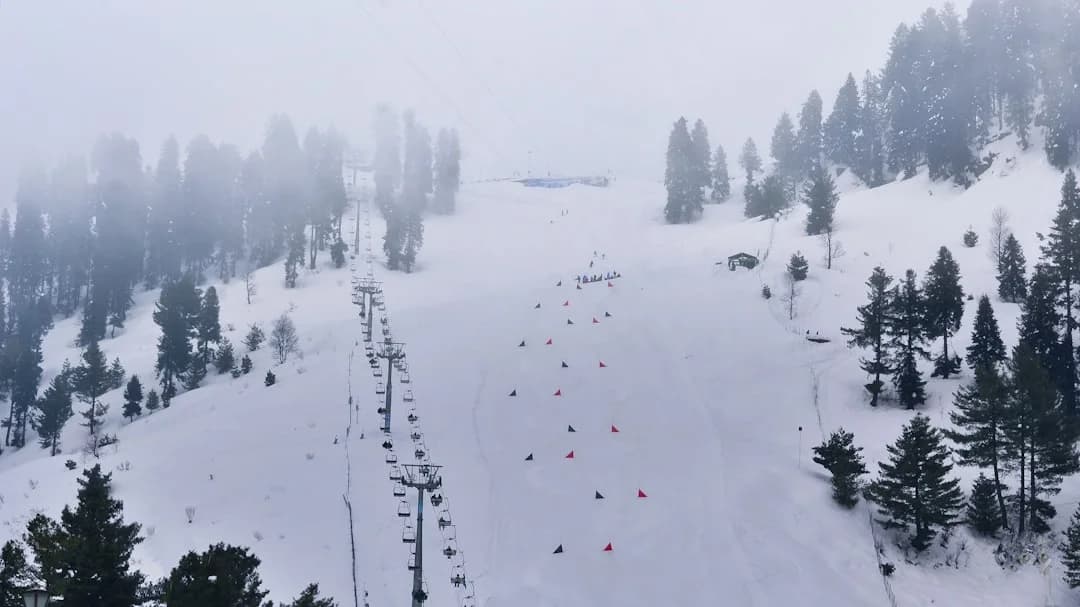
Photo by hammad khan on Unsplash
Whistler World Ski & Snowboard Festival 2026 is shaping up to be a watershed moment for Whistler’s spring tourism season, with organizers confirming dates and outlining a program that blends elite competition, culture, and industry-aligned technology. The festival, known locally as WSSF, is scheduled to run from April 6 to April 12, 2026 in Whistler, British Columbia. This year’s edition marks the event’s 30-year milestone, underscoring both its enduring appeal and its evolving role in showcasing mountain culture to a broad, global audience. The confirmation of the 2026 window comes as Whistler readies for a sustained period of spring snow activity, outdoor concerts, and a village-wide slate of demonstrations, exhibitions, and competitions that extend well beyond traditional ski and snowboard racing. For readers of BC Times, the news signals not only a calendar renewal but also a fresh data-driven lens on how sport, entertainment, and technology converge to drive local economies. The event’s timing places it at a critical intersection of tourism demand, new media reach, and experiential marketing, making it a focal point for market analysis in the Canadian ski-dependant economy. The festival’s 2026 dates and the broader context are already generating buzz among resort operators, local merchants, and national sponsors looking to leverage Whistler’s spring energy for brand exposure and consumer engagement. (wssf.com)
Beyond the dates, Whistler’s World Ski & Snowboard Festival 2026 promises a comprehensive program that blends competitive action with cultural programming, including live music, art and film components, and expos. The WSSF tradition has evolved into a multi-day celebration that draws participants and spectators from around the world, contributing to Whistler’s mid-spring shoulder-season vitality. The 2025 edition, which concluded successfully, serves as a reference point for how organizers plan 2026 logistics and programming. For stakeholders, the implication is clear: demand for on-site experiences in a mountain town is robust enough to sustain a longer festival arc, while digital reach and hybrid engagement options are becoming standard, not optional. This aligns with broader industry shifts toward enhanced attendee experiences, data-driven operations, and sponsor-integrated activations that extend beyond the ski slopes. (whistler.com)
As BC Times covers technology and market trends with a data-driven lens, the 2026 WSSF installment is an instructive case study in how a traditional sport festival codifies innovation. The festival’s organizers have historically leveraged a mix of on-snow competition, outdoor concerts, and village-side demonstrations to attract a diverse audience. The evolving emphasis on digital ticketing, contactless payments, data analytics, and content distribution—trends that have gained traction across the events industry—are likely to influence WSSF’s execution in 2026. Industry observers note that modern festival ecosystems increasingly rely on seamless payment experiences, real-time data capture, and hybrid content strategies to optimize attendance, sponsorship value, and visitor spend. While the core appeal remains the on-mountain performances and live shows, technology-enabled enhancements offer measurable improvements in throughput, revenue per attendee, and post-event engagement. (whistler.com)
Section 1: What Happened
Official dates and venue
2026 edition confirmed and scheduled
The World Ski & Snowboard Festival, familiarly known as WSSF, has officially announced its window for 2026: April 6 through April 12, 2026, with Whistler, British Columbia serving as the host locale. This scheduling information comes from multiple official sources, which collectively confirm the date range and venue as Whistler Blackcomb and surrounding village sites that traditionally host WSSF activities. The event is presented as a key spring-cultural showcase, expanding Whistler’s seasonal appeal beyond purely winter sports. The 2026 dates are framed as part of a broader 30-year anniversary celebration for the festival, highlighting both continuity and renewal in its programming. (wssf.com)
The festival’s 30-year milestone and its program scope
The 30-year milestone is highlighted in official materials, signaling a milestone moment for organizers and supporters. The festival’s program typically blends alpine competition with music, film, art, photography, and cultural experiences, creating a comprehensive mountain-culture festival rather than a single-sport event. As with prior years, organizers are expected to curate a schedule that includes a mix of on-snow competitions, expositions, and evening events designed to maximize both on-site participation and off-site engagement. The ongoing narrative around 2026 emphasizes continuity with the festival’s established identity while enabling room for new partners, venues, and experiences aligned with contemporary audience expectations. (wssf.com)
Announcement details and timeline
Timeline referencia for 2026 planning

Photo by Alexander Simonsen on Unsplash
Public-facing materials emphasize that 2026 updates followed the successful 2025 edition, with organizers signaling that more detailed scheduling would be released in early 2026. This sequencing—annual event after-action review, followed by a more granular release of daily schedules—reflects standard industry practice for large, multi-day festivals. In 2025, a robust slate of activities spanned alpine racing, after-dark performances, and a rotating series of partner-led activations, suggesting a blueprint that WSSF 2026 could mirror or adapt based on participant feedback and sponsorship dynamics. For readers tracking the evolution of the festival, the essential takeaway is that 2026 information is actively being refreshed as planning advances toward spring. (whistler.com)
Event lineup and key venues
Core components and on-site hubs
The festival’s signature elements remain a blend of on-snow competition and village-based experiences. Common components include:
- Village Expo & Demos: An open-air expo and product demonstration space typically located in the Village Stroll area, where sponsors and gear brands showcase innovations and attendees sample offerings. (whistler.com)
- Slush Cup and related on-snow showcases: A spring classic featuring a simulated ice-cold spectacle on snow, often paired with costume and fan engagement elements. The late-week schedule frequently features related athlete demonstrations and warm-weather activities on Blackcomb Mountain. (whistler.com)
- The Grind and other competitive events: Street-style and ski/snowboard competition formats that highlight riding culture and urban athleticism, frequently staged as focal points of the festival’s late-week action. (whistler.com)
- Live music and outdoor stages: The Skullcandy Stage and other venues within Skier’s Plaza have historically hosted multi-night performances as part of the festival’s entertainment mix. (whistler.com)
The official event pages provide a detailed look at the types of activities that recur year after year, and the 2026 site materials point readers to a refreshed schedule once it is finalized. This structure—on-snow competition paired with village-based experiences—remains central to WSSF’s identity and its draw for both participants and spectators. (wssf.com)
Sponsors and partners
Key sponsorships and branding considerations

Photo by Lawrence Krowdeed on Unsplash
From past editions, Red Bull and Blueprint Events have served as prominent partners for WSSF, supporting a mix of live events, venues, and experiential activations. These partnerships help anchor the festival’s music, culture, and athlete programming and often influence the scale and reach of on-site activations, digital content, and post-event marketing. As part of the 2026 cycle, sponsors are expected to continue playing a critical role in delivering the festival’s multi-day experience, with brand activations integrated across venues, stages, and the WSSF Village. The involvement of major brands also underpins sponsorship-driven revenue models critical to sustaining the festival’s broad programming. (whistler.com)
2025 recap and 2026 planning
Lessons from the previous year informing 2026
The 2025 edition serves as a practical reference point for 2026 planning, with a broad program featuring alpine racing, post-event concerts, and a diverse slate of partner activations. In the weeks following 2025, organizers typically map lessons learned in terms of crowd flow, ticketing efficiency, and on-site safety protocols to optimize the 2026 rollout. The continuity between 2025 and 2026 planning signals a focus on delivering a seamless attendee journey, data-informed decision-making for operations, and sponsor-driven experiences that resonate with both local residents and international visitors. (whistler.com)
Section 2: Why It Matters
Economic and tourism impact
Whistler’s spring economy and WSSF’s role

Photo by boris misevic on Unsplash
Whistler is a renowned year-round tourism hub, with spring events like WSSF extending the ski season’s economic footprint into the shoulder period. The festival’s mix of free outdoor concerts, on-snow competition, and arts programming tends to attract a broad mix of visitors—skiers, snowboarders, families, and culture enthusiasts—thereby supporting lodging, dining, retail, and transport businesses during a period when tourism activity is historically mixed. Tourism Whistler highlights WSSF as a flagship spring event, underscoring its status as a draw for visitors who extend stays to coincide with festival programming and spring skiing conditions. The 2026 edition’s emphasis on culture, sport, and technology positions the festival as a multi-faceted driver of local economic activity and regional brand exposure. (whistler.com)
Technology and market trends shaping WSSF
Aligning festival practice with evolving event tech norms
The global festival and sports event ecosystem is undergoing rapid tech-driven change. Across the industry, there is a clear shift toward hybrid experiences, digital ticketing, cashless payments, live streaming, and real-time data analytics to optimize operations and monetization. This broader context informs how WSSF could execute in 2026: integrating mobile ticketing with real-time validation, enabling contactless payments at venues and concessions, and expanding digital content through live streams or on-demand clips to reach remote audiences. Industry sources emphasize that hybrid models and data-driven decision-making are becoming baseline expectations for major events, not optional enhancements. While specific 2026 WSSF tech deployments have not been exhaustively published, the trendlines strongly suggest a continued push toward improved guest experiences and sponsor-driven, measurable engagement. (yapsody.com)
Sponsorship-driven monetization and attendee experience
For an event with a multi-day footprint across on-mountain venues and village spaces, sponsorship value increasingly hinges on integrated activations and data-informed engagement. The WSSF’s steady reliance on high-profile partners (such as Red Bull) helps fund a diverse program, while tech-enabled activations and media rights can amplify reach and monetization. Observers note that robust digital platforms, including mobile apps and seamless on-site payments, not only improve attendee convenience but also provide richer data streams for sponsors and organizers—facilitating targeted marketing and post-event follow-ups that extend the festival’s lifecycle beyond April. This dynamic aligns with broader industry commentary about how festivals are evolving into “experience ecosystems” rather than single-day spectacles. (whistler.com)
Community and cultural resonance
WSSF’s cultural dimension—art, music, film, and photography—is not merely ancillary; it expands the festival’s appeal to a wider audience beyond the core ski and snowboard community. This diversification of programming supports broader community engagement, tourism cross-pollination with the downtown core, and opportunities for local artists and businesses to participate in a high-visibility, globally relevant event. The festival’s evolving tech-enabled experiences can also democratize access for remote fans and younger audiences who expect digital-first content and interactive engagement formats. The combination of sport, culture, and technology positions WSSF 2026 as a reference point for how mountain-town festivals adapt to contemporary expectations. (whistler.com)
Industry context and competitive landscape
Where WSSF sits among global spring festivals
Whistler’s festival is part of a broader ecosystem of alpine and mountain-focused events that blend sport, entertainment, and culture. As audiences increasingly expect multi-day, immersive experiences, WSSF’s ability to maintain relevance depends on how well it leverages partnerships, leverages digital distribution channels, and optimizes the guest experience from arrival to departure. The 2026 edition’s emphasis on a 30-year legacy, combined with the integration of modern event technology trends, signals ambition to remain competitive with other major alpine festivals that are expanding their hybrid and digital offerings. While specific competitive metrics for WSSF are not publicly disclosed, the industry consensus is that events with strong experiential components and robust sponsorship ecosystems tend to outperform those relying solely on on-site attendance. (wssf.com)
Section 3: What’s Next
Schedule and tickets timeline
What attendees should watch for in coming weeks and months
As with prior editions, readers should expect a phased rollout of 2026 schedules, followed by ticketing details, pricing, and venue-specific information. The official WSSF site and related tourism portals typically publish the full schedule closer to the event and provide updates on ticketing windows, VIP packages, and group sales. Given the 2026 dates (April 6–12) and the festival’s track record, readers should anticipate a mid- to late-winter release of key program blocks and marquee performances, with on-sale periods for popular events likely to be in early spring. Travelers planning spring trips to Whistler should monitor the official WSSF schedule page and Tourism Whistler updates for the most current information. (wssf.com)
How to plan a trip and participate
Lodging, travel, and on-site planning
Whistler benefits from a well-developed lodging market, with spring accommodations often featuring competitive rates and bundled offers aimed at festival-goers. Tourism Whistler has historically promoted package deals that pair accommodation with event access, après-ski options, and dining experiences, making it practical for readers to coordinate stays around WSSF dates. For readers aiming to maximize value, booking early, considering multi-night packages, and leveraging official booking portals can yield cost and scheduling advantages. The festival era’s typical structure—dense days of on-snow activity punctuated by evening entertainment—means visitors should plan for long days and late evenings with contingencies for weather and travel delays. (whistler.com)
Next milestones to watch
Key indicators of progress toward WSSF 2026
In the lead-up to April 2026, credible indicators of progress will include:
- Official schedule publication detailing event times, venue allocations, and participating teams or performers.
- Sponsor announcements that reveal activation plans, partner-generated content, and media rights arrangements.
- Lodging and package promotions that reflect festival-specific pricing and availability.
- Updates on safety, accessibility, and sustainability initiatives for on-site operations. Industry observers should track these milestones through official channels such as the WSSF site and Tourism Whistler platforms, which historically provide timely updates to attendees and the broader community. (wssf.com)
Closing
The Whistler World Ski & Snowboard Festival 2026 represents more than a date on a calendar—it marks a strategic moment for Whistler’s spring economy, the broader mountain-culture ecosystem, and the ongoing evolution of large-scale events in a tech-enabled era. With April 6–12, 2026 set as the core window, the festival will likely continue to blend world-class alpine sport with a robust cultural program, all while integrating modern event technologies that improve guest experience and sponsor value. For readers seeking the latest, most accurate details, official sources such as the World Ski & Snowboard Festival site and Tourism Whistler remain the best channels for updates on scheduling, tickets, and on-site programming. (wssf.com)
Stay tuned to BC Times for continued coverage of Whistler’s spring festival season, including in-depth, data-driven analysis of attendance trends, sponsorship activity, and the role of technology in shaping the Whistler World Ski & Snowboard Festival 2026 experience. For real-time updates, consider following our reporting and accessing official festival communications as April approaches.