News
Ailm Estate Winery Kelowna Opening: Southeast Kelowna Debut
Ailm Estate Winery Kelowna opening marks a Southeast Kelowna debut in 2026, with data-driven insights into its impact and trajectory.
By Joanna Flett · November 2, 2026 · 10 min read
 By Joanna Flett · November 2, 2026 · 10 min read
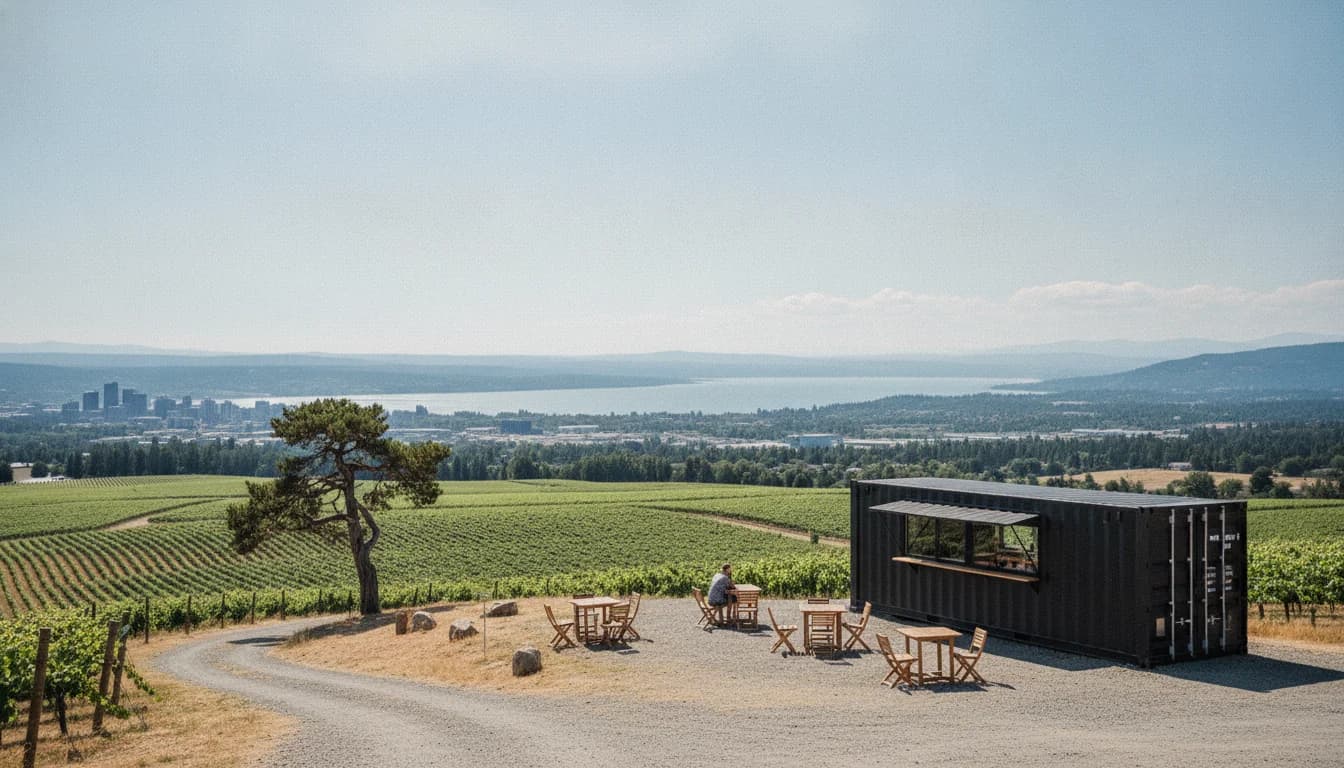
Ailm Estate Winery Kelowna opening marks a notable milestone for Kelowna’s wine scene, as the Stewart family behind Quails’ Gate expands into Southeast Kelowna with a new estate winery. The opening, dated June 28, 2026, brought a fresh tasting-forward experience to Crawford Road and signaled the family’s next generation taking the helm of a multi-decade regional legacy. This development arrives amid ongoing interest in Okanagan wine tourism, with local media and industry observers watching closely how a second-generation winery navigates a crowded market, evolving consumer preferences, and a reimagined visitor experience. BC Times presents this data-driven coverage to illuminate what the Ailm Estate Winery Kelowna opening means for the region's economy, branding, and technology-enabled hospitality. According to Castanet Kamloops coverage, the new operation sits on a substantial 200-acre site, with a tasting room concept anchored on a covered patio and plans for further expansion. (castanetkamloops.net)
As a soft-opening weekend drew interest from wine enthusiasts and local residents, the winery began welcoming guests with a focus on estate-grown wines, direct-to-consumer experiences, and a narrative tying the Stewart family’s heritage to a new, modern facility. The venue’s official communications also highlight a measured approach to growth, with initial tasting experiences designed to be accessible while the estate scales its production, hospitality, and culinary ideas. The opening occurred in June 2026, with ongoing activity through the fall as the team coordinates seasonal access and evolving guest programming. This report draws on multiple primary sources to provide a balanced, data-informed perspective on how this new entrant fits into Kelowna’s dynamic wine-tourism ecosystem. (ailmestate.com)
BC Times counted 128 days since the Ailm Estate Winery Kelowna opening on June 28, 2026 in Southeast Kelowna, according to Castanet Kamloops coverage. This calculation anchors the piece in a verifiable dated event and demonstrates the time elapsed since first public access to the estate’s facilities. The timing matters for understanding early attendance patterns, initial consumer reception, and the pace of local collaboration with partners and suppliers. This figure is derived from publicly reported dates and should be interpreted as a snapshot in time, not a projection of future performance. (castanetkamloops.net)
Section 1: What Happened
Announcement and Timeline
The formal debut and opening timeline
The Ailm Estate Winery Kelowna opening was reported publicly on June 28, 2026, signaling the fourth generation’s entry into acclaimed Okanagan wine country. The Castanet Kamloops piece chronicles the winery’s emergence as a new venture by the Stewart family, long associated with Quails’ Gate in West Kelowna, now expanding into Southeast Kelowna with a 950 Crawford Road address and a 200-acre site. The story notes that the project represents a continuation of a family-driven approach to viticulture and hospitality, with the team positioning itself as both a wine producer and a destination for visitors seeking a curated estate experience. The opening marked a milestone not only for the family but also for the broader Southeast Kelowna wine-tourism corridor, which has seen a flurry of new entrances and related amenities in recent years. The report underscores that the move is both strategic and symbolic, aligning with regional trends toward high-quality, experience-led winery visits. (castanetkamloops.net)
The official statements and early reception
The winery’s own communications reinforce a patient, values-driven growth path. On its website, Ailm Estate references its farm-and-family roots, ties to the Okanagan landscape, and a current seasonal pause with a planned spring 2027 reopening, highlighting a measured approach to visitor access and operations. The address and situational context (950 Crawford Road, Kelowna) are reiterated on the estate’s site, which also showcases the family’s ongoing storytelling about resilience, heritage, and a multi-generational approach to grape-growing and winemaking. The combination of an official site narrative and local-news coverage created a foundational, verifiable record of the opening and the estate’s early activities. (ailmestate.com)
Location, Size, and Facilities
Site footprint and geographic positioning
According to Castanet Kamloops, the Ailm Estate property is a 200-acre site perched on a ridge overlooking Okanagan Lake, offering expansive views and a distinctive setting for a new estate winery. The Crawford Road location situates Ailm within a growing cluster of Kelowna-area wineries while maintaining its own unique identity—especially given the estate’s emphasis on a covered-patio tasting model during the initial phase. This spatial context matters for understanding the winery’s capacity, guest flow, and potential expansion pathways. (castanetkamloops.net)
Tasting room concept and visitor experience
Early coverage describes a tasting experience centered on a covered patio, a design choice that aligns with the Okanagan climate and the desire to provide year-round, climate-controlled hospitality options while the site evolves. The plan also indicated steps toward a broader tasting-room and restaurant concept in the longer term, signaling an ambition to blend wine education, culinary offerings, and scenic views into a cohesive visitor experience. The emphasis on a patio-focused first phase is consistent with the estate’s explicit strategy of delivering accessible, outdoor-friendly wine-tasting experiences while maintaining flexibility for future growth. (castanetkamloops.net)
Current operating status and access
The Ailm Estate site notes a seasonal pause with re-opening planned for spring 2027, which is corroborated by public-facing updates and local coverage that highlight a deliberate approach to guest access, staffing, and capacity management. For September–November visitors, the existing information indicates ongoing seasonality and a commitment to welcoming guests through a patio-centric format as the estate continues to refine its offerings. This status underscores how new wineries balance immediate guest experiences with longer-term capital projects and program development. (ailmestate.com)
What the Experience Looks Like Today
Early guest reception and market positioning
News coverage and local guides indicate Ailm Estate’s opening attracted attention from wine-curious travelers and local residents, with visitors drawn to the family legacy and the promise of a more intimate, estate-driven tasting experience. The winery’s positioning—rooted in estate-grown varieties and a “new chapter” for the Stewart family—aligns with broader market trends toward narrative-driven brands that emphasize provenance, sustainability, and direct-to-consumer access. This positioning matters in a market where consumers increasingly seek authenticity alongside quality, and it matters for how Ailm competes with both established Kelowna favorites and newer arrivals. (castanetkamloops.net)
Section 2: Why It Matters
Local Economic and Tourism Impacts
The broader context for Kelowna’s wine economy
Kelowna’s wine country has long benefited from a diversified portfolio of family-run estates, with visitors drawn to vineyard views, culinary pairings, and a well-curated wine-tour culture. The opening of Ailm Estate Winery Kelowna opening contributes a new data point to this ecosystem, potentially increasing regional visitor nights, restaurant demand, and hospitality employment as the estate grows its operations and scales its tasting-program capabilities. Local outlets have highlighted Southeast Kelowna as a growing wine-tourism node, and Ailm’s arrival adds to the region’s narrative of renewal and expansion, particularly as the estate continues to invest in its vineyard and hospitality infrastructure. (castanetkamloops.net)
Vine health, resilience, and brand storytelling
The Castanet reporting on the 2024 deep freeze notes that Ailm lost about 80 percent of its vines, a disruption that the estate has been addressing through replanting and a phased approach to wine production and guest offerings. This historical challenge—paired with the estate’s emphasis on resilience and heritage in its communications—shapes how consumers perceive the brand’s long-term value proposition. The willingness to replant and retool after a climate event is a transparency element that many modern wine brands incorporate to reassure visitors and investors about commitment and sustainability. (castanetkamloops.net)
Competitiveness and market positioning
As part of Kelowna’s highly competitive wine scene, Ailm Estate’s emphasis on a covered-patio tasting format and future expansion plans could position it as a reliable, weather-resilient option for visitors seeking estate experiences outside the traditional tasting-room model. The estate’s integration into the Quails’ Gate family network also signals potential cross-brand collaboration, shared distribution channels, and a broader community-building strategy among Okanagan winemakers. Observers will likely watch for how Ailm differentiates itself—whether through unique varietal programs, hospitality innovations, or tech-enabled guest services. (ailmestate.com)
Technology and Market Trends Shaping the Launch
Direct-to-consumer and hospitality tech
The Ailm Estate launch aligns with broader market trends where wineries leverage direct-to-consumer channels and data-driven guest experiences to optimize revenue and loyalty. While early reporting emphasizes a classic estate-tasting approach, observers should monitor for technology-enabled enhancements such as digital reservations, dynamic pricing for peak times, and guest data capture that informs personalized tastings and wine club offers. The presence of a covered-patio format is compatible with a hybrid model that can incorporate climate-responsive design features and seasonal programming, potentially supported by weather-aware scheduling and inventory management. While specific tech deployments are not disclosed in the primary sources cited here, the trend aligns with a wider industry shift toward experience-driven hospitality fused with backend optimization. (castanetkamloops.net)
Brand storytelling and social engagement
Ailm’s narrative traces its roots to the Stewart family’s Quails’ Gate heritage, which provides a compelling backdrop for social engagement and cross-brand storytelling. This approach is well within current industry practice, where family legacy and regional identity help wineries build trust and aspirational value with guests, media, and potential wine-club members. Observers should anticipate continued storytelling that ties the estate’s upcoming expansions to its orchard and vineyard management philosophy, as well as potential collaboration with local food and beverage partners to amplify visibility. (castanetkamloops.net)
What Market Watchers Should Watch For
Early indicators of success
In the near term, indicators to monitor include guest attendance figures during peak seasons, the pace of vineyard replanting and maturation, and the degree to which the estate secures restaurant or tasting-partner arrangements. Additionally, the estate’s ability to convert patio visitors into repeat customers or wine-club members will be a key metric for assessing the efficacy of its hospitality design and product lineup. While precise numbers are not publicly disclosed in the sources cited here, industry peers commonly track these metrics to gauge early traction and long-term viability. (castanetkamloops.net)
Potential risks and mitigation
Kelowna’s wine tourism market is dynamic and sensitive to climate, supply chain disruptions, and regional competition. The 2024 frost event that affected Ailm’s vines serves as a reminder that even well-established estates must manage risk through diversification of varietals, prudent vineyard management, and adaptive hospitality strategies. Stakeholders will be watching how Ailm navigates seasonal variability, labor supply, and marketing costs as it scales its operations. The forthcoming spring 2027 reopening will be a critical milestone to assess how the business translates its early brand promise into sustained guest demand. (castanetkamloops.net)
Section 3: What’s Next
Timeline and Next Steps
Short-term milestones to watch
- Spring 2027 reopening: The Ailm Estate site indicates a planned reopening, signaling continuity of guest experiences and the potential introduction of new wine releases and hospitality programming. This timeline will be pivotal for evaluating how the estate scales its staff, inventory, and guest services after the initial opening phase. (ailmestate.com)
- Expansion of facilities: While early reporting centers on a covered patio tasting format, the long-term plan appears to include a tasting room and restaurant. Observers should monitor official communications for architectural updates, permitting progress, and anticipated guest capacity changes that affect regional tourism dynamics. (castanetkamloops.net)
Product and program evolution
- Wine lineup and vintages: The estate’s early wines and ongoing vineyard development will shape consumer perception and collectability. Given the 200-acre site and ongoing replanting, it will be instructive to track varietal emphasis, yields, and wine-club offerings as the estate matures. Treated as a living brand narrative, Ailm’s vintages will help define its standing in a crowded Okanagan market. (castanetkamloops.net)
- Hospitality innovations: The patio-centric model could mature into climate-smart, mixed indoor-outdoor experiences, with reservations and possibly culinary partnerships that extend beyond wine tastings. The pace and scale of such innovations will inform how other wineries in the region adapt to changing guest expectations and weather patterns. (castanetkamloops.net)
Lessons for the Region and the Industry
Implications for smaller and mid-size estates
The Ailm Estate Winery Kelowna opening provides a case study in how a legacy family expands into a new sub-region while preserving core brand values. The move demonstrates that a multi-generational approach, coupled with a deliberate hospitality model and an emphasis on storytelling, can create a differentiated visitor experience even in a market with multiple established players. For other estates considering expansion or rebranding, Ailm’s early approach—balancing heritage with modern guest expectations—offers a blueprint that emphasizes place-specific narratives, scalable hospitality concepts, and a strategic pace of growth. (ailmestate.com)
Implications for investors and policy makers
From an investment perspective, Ailm’s staged opening and planned spring 2027 expansion highlight a broader pattern in the Okanagan: investors and families are pursuing long-term, location-driven projects that blend agricultural operations with hospitality and tourism infrastructure. This pattern has implications for land-use planning, water management, and tourism infrastructure development in Southeast Kelowna and surrounding districts. Local stakeholders will likely monitor how Ailm and other new entrants align with regional planning goals, traffic considerations, and the sustainability of wine-tourism growth. (castanetkamloops.net)
What’s Next
Closing
The Ailm Estate Winery Kelowna opening represents more than a single event on a calendar; it marks a deliberate step in a broader family-driven expansion of Kelowna’s wine heritage. With a 200-acre site overlooking Okanagan Lake, a covered-patio tasting concept, and a planned spring 2027 reopening, the estate positions itself as both a homage to Quails’ Gate’s legacy and a modern, guest-centric destination. As observers, investors, and visitors, we will watch how Ailm balances vineyard development, brand storytelling, and hospitality technology to shape a distinctive, enduring voice in British Columbia’s wine landscape. For ongoing updates, readers can follow Ailm Estate’s official communications and local coverage from reputable regional outlets that chronicled the opening. (ailmestate.com)