News
BC Place World Cup Matches: Vancouver to Host Seven
Experience seven thrilling World Cup matches at Vancouver's BC Place during the 2026 FIFA World Cup, showcasing top international talent.
By Nina Kowalski · November 20, 2026 · 9 min read
 By Nina Kowalski · November 20, 2026 · 9 min read
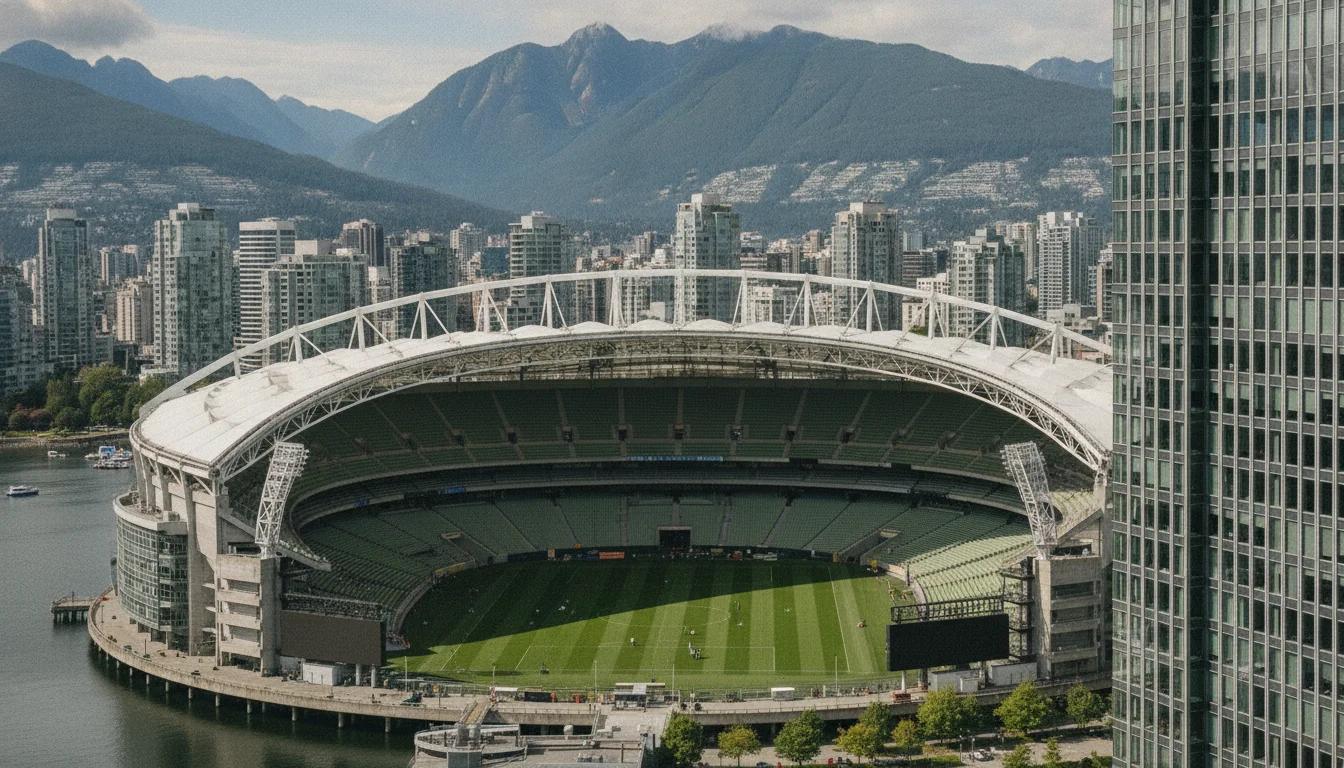
Vancouver has been confirmed as an official host city for the FIFA World Cup 2026, with BC Place Stadium slated to host seven matches this summer. The June 5, 2026 notice from the Province of British Columbia and the City of Vancouver announced that BC Place will be one of 16 host venues across Canada, the United States, and Mexico, underscoring a major tourism and infrastructure mobilization for the region. The announcement situates BC Place as a central stage for North America’s largest soccer showcase, a moment many local leaders say will boost the regional economy and elevate Vancouver’s status as a global events hub. The formal confirmation aligns with broader FIFA communications about host cities and scheduling for the expanded 48-team tournament, the first World Cup staged across three countries. This is not a hypothetical plan but a concrete, multi-match slate that will test stadium operations, transit networks, and fan experiences in Vancouver this summer. The official notice and host-city confirmation are documented in government and league materials released in early June 2026. (blog.gov.bc.ca)
The World Cup 2026 schedule confirms Vancouver’s seven-match slate at BC Place, with a documented match window that spans mid‑June through early July. In practical terms, seven matches at BC Place Vancouver are planned on specific days, starting June 13 and culminating on July 7, 2026, with additional planning around road closures and transit demands on match days. This seven‑game arrangement was published in the BC government’s June 5, 2026 notice and reinforced by city and stadium communications. Importantly, Canada’s national team is slated to play two group-stage matches in Vancouver as part of the country’s World Cup run, adding to the local interest and press coverage. The scheduling details come from primary sources including the government notice and FIFA’s official host-city materials, which confirm Vancouver’s role in the tournament. (blog.gov.bc.ca)
As readers turn their attention to BC Place World Cup matches, it’s worth noting the broader context: FIFA’s official schedules and host-city communications place Vancouver in a seven‑game, citywide event plan, with Canada’s fixtures highlighted for Vancouver on June 18 and June 24, 2026. This alignment of venues and dates has implications for regional tourism, business activity, and public‑sector planning. Local officials have signaled a broad economic and cultural upside, while also signaling the constraints that come with hosting a global event of this scale. For Vancouver, the World Cup schedule is more than a sports calendar; it’s a test case in large-scale event management, crowd control, and cross‑jurisdiction collaboration. (blog.gov.bc.ca)
What Happened
Vancouver named official host city for FIFA World Cup 2026
Official designation and partnership
The pathway to BC Place’s seven World Cup matches begins with Vancouver’s selection as an official host city for FIFA World Cup 2026. Vancouver’s status as a host city was publicly confirmed by FIFA and echoed by provincial and municipal leadership, signaling a joint commitment to delivering a globally visible event while supporting local communities and businesses. The Vancouver Whitecaps FC, City of Vancouver, and Province of British Columbia all highlighted the partnership, with statements from city officials and economic partners emphasizing the opportunity to showcase Vancouver on the world stage. This is the first time Canada hosts Men’s World Cup matches on home soil, and the arrangement reinforces Vancouver’s long history of hosting major international soccer events, including previous FIFA Women’s World Cup and other global gatherings. (whitecapsfc.com)
Governance and planning context
The host-city designation sits within FIFA’s three‑country framework for the 2026 edition, with Canada, the United States, and Mexico sharing venues and dates across 16 host cities. The Vancouver designation is accompanied by commitments from local and provincial governments to coordinate stadium readiness, public safety, and transportation planning to accommodate an international audience. In the Canadian context, government playbooks and host-city briefs have laid out preliminary planning assumptions, including road closures, transit adjustments, and neighborhood impacts during match days. These materials underscore a collaborative approach to delivering a safe, accessible, and economically beneficial event for Vancouver and the wider region. (whitecapsfc.com)
Seven-match slate and match-day details
BC Place Vancouver is slated to host seven World Cup 2026 matches, with a detailed schedule published in the government’s notice. The seven match days are published with precise dates, including match days on June 13, June 18, June 21, June 24, June 26, July 2, and July 7. The City of Vancouver and BC Place have coordinated with host-city authorities to ensure that stadium operations, crowd management, and game-day logistics align with the seven-match plan. This schedule forms the core of BC Place World Cup matches activity in Vancouver this summer and is a central pillar of the local World Cup legacy plan. The official notice explicitly states these dates and the seven-match configuration. (blog.gov.bc.ca)
Canada’s schedule in Vancouver
Canada’s national team is part of the Vancouver World Cup narrative, with two group-stage matches allocated to Vancouver in addition to the broader Canadian schedule. FIFA’s official materials indicate that Canada will play in Vancouver on June 18 and June 24, 2026, as part of its World Cup 2026 fixtures. These matches are positioned to attract strong local and diaspora support, contributing to Vancouver’s status as a World Cup host city and reinforcing BC Place as a focal point of Canadian soccer history. The dates come from FIFA’s published fixtures and stadiums information for the 2026 edition. (fifa.com)
Why It Matters
Economic and community impact
Tourism and economic spillovers
Hosting seven World Cup matches at BC Place Vancouver places a premium on tourism and hospitality, with projections from Destination BC and BC Stats suggesting significant potential upside. Early modelling indicated by government and industry sources estimated that the tournament could generate substantial incremental visitor spending and broader economic benefits for British Columbia, extending beyond the tournament itself. The event also positions Vancouver to leverage global media exposure, attract new visitors, and create lasting tourism brand value for the region. The capital outlay for planning and staging was projected in the high hundreds of millions, with potential offsetting revenue from the event. The Vancouver Whitecaps FC leadership and provincial authorities have framed this as a once-in-a-generation opportunity for economic diversification and cultural exchange. (whitecapsfc.com)
Local business and market implications
The World Cup footprint in Vancouver extends into hospitality, retail, transportation, and entertainment sectors. Event planning documents highlight anticipated traffic patterns, public transit needs, and temporary road closures on match days. Businesses along major transit corridors and near BC Place can anticipate surges in consumer activity, while City of Vancouver and TransLink have prepared communications to help residents plan around match-day disruptions. The scale of seven matches in a single venue magnifies these effects, creating both opportunities for local vendors and challenges for traffic management. Government and industry partners emphasize deliberate collaboration to maximize benefits for small and medium-sized enterprises and ensure inclusive participation from Indigenous and local communities. (blog.gov.bc.ca)
Infrastructure and operations readiness
BC Place is a focal point for the World Cup in Vancouver from a venue operations perspective. The stadium’s capacity, fan experience capabilities, and broadcast infrastructure are central to delivering a high-quality experience for global audiences. BC Place’s official materials emphasize a seating capacity of 54,500 and the ability to configure seating for large-scale events, with continued emphasis on safety, accessibility, and fan amenities. The seven-match slate will put these capabilities to a rigorous test and provide a real-world case study for major-event management in a mid-sized North American city. The infrastructure readiness narrative is reinforced by stadium operators and city authorities, who have collaborated on security, crowd flow, and revenue-generation plans tied to World Cup activity. (bcplace.com)
Public safety and community considerations
Event-scale planning inevitably intersects with public-safety operations, crowd management, and neighborhood impacts. Vancouver’s host-city communications include explicit road-closure plans and transit adjustments to ensure safe and smooth access to BC Place on match days. Local authorities have issued guidelines and schedules to minimize disruption while maximizing accessibility for residents and visitors. The BC government’s notices emphasize collaborative approaches to traffic management, school-day considerations, and safety protocols—key factors that will shape community sentiment and the long‑term reception of World Cup events in Vancouver. (blog.gov.bc.ca)
Legacy and cultural significance
Beyond immediate economic effects, Vancouver’s World Cup role is framed as a cultural and sporting milestone that can inspire future generations of players and fans. Local leaders highlight the city’s capacity to deliver a top-tier international event, with potential long-term benefits for sports development, youth engagement, and cultural exchange. The Vancouver host-city story connects with Canada’s broader World Cup ambitions in 2026 and the region’s history with FIFA events, including previous women’s and international fixtures hosted at BC Place. The continued attention to Indigenous collaboration and regional identity underscores the event’s potential to mobilize community pride and regional branding around sport and tourism. (whitecapsfc.com)
What’s Next
Schedule and operational milestones
Upcoming match-day logistics
With seven matches planned at BC Place Vancouver, organizers will advance milestones on stadium readiness, transit coordination, and public messaging. The schedule includes precise match days: June 13, June 18, June 21, June 24, June 26, July 2, and July 7. As the event approaches, updates on gate openings, security procedures, fan zones, and accessibility services will be issued by City of Vancouver, BC Place, and partner agencies. The official seven-match window provides a clear timeline for infrastructure checks, vendor activation, and safety drills in the months leading up to kickoff. The June 5, 2026 notice and the June match dates confirm the core calendar for Vancouver’s World Cup activities. (blog.gov.bc.ca)
Public communication and stakeholder engagement
City and provincial communications emphasize proactive engagement with residents, businesses, and Indigenous communities to ensure inclusive planning and equitable benefits from the World Cup 2026 activity. Stakeholder consultations and playbooks are designed to help local organizations align with event needs, maximize opportunities for local workers, and coordinate among multiple governance bodies. As Vancouver prepares for seven World Cup matches at BC Place, ongoing public‑facing updates will be essential to keeping communities informed about access, traffic, and cultural programming around match days. (blog.gov.bc.ca)
Media and broadcasting planning
The World Cup brings a global media footprint, and BC Place’s broadcasting infrastructure will be a focal point for live coverage in the Vancouver region. Partnerships with broadcasters, streaming platforms, and rights holders will shape how fans experience the matches on-site and remotely. Vancouver’s status as a host city links local media ecosystems with international audiences, offering opportunities for live market entries, local tourism storytelling, and cross‑industry collaboration in technology, hospitality, and sport business. The FIFA-host-city framework and the official stadium materials provide the backbone for these broadcasting plans. (whitecapsfc.com)
What’s Next (Continued)
Next steps for fans and residents
Fans planning to attend BC Place World Cup matches should monitor official channels for ticketing windows, match-day logistics, and travel advisories. The BC Place facility and Destination BC resources will be primary references for seating configurations, accessibility services, and fan experiences during the Vancouver World Cup run. Residents should also anticipate scheduled transit adjustments and road closures on the seven match days, with public-safety and traffic-management partners providing regular updates. As the event nears, official communications from the City of Vancouver, TransLink, and BC Place will become essential reading for anyone planning to participate in or observe the World Cup activity in Vancouver. (blog.gov.bc.ca)
Closing
The announcement that BC Place Vancouver will host seven World Cup matches marks a watershed moment for the city and the region. The seven-match slate, including Canada’s Vancouver fixtures on June 18 and June 24, 2026, positions Vancouver as a key stage in FIFA’s ambitious 2026 World Cup design. The collaboration among FIFA, the Province of British Columbia, the City of Vancouver, and BC Place’s operations teams demonstrates a deliberate approach to balancing global spectacle with local livelihoods, infrastructure, and community wellbeing. As Vancouver readies for the matches and the world tunes in, BC Place World Cup matches will serve as a lens on how major events are planned, executed, and remembered—through data-driven planning, transparent communication, and a commitment to inclusive opportunity for local residents and businesses. Stay tuned to official channels for real-time updates on scheduling, tickets, transit, and fan experiences as the Vancouver World Cup story unfolds.