News
British Columbia Housing Funding: BC Builds Progress
Explore a data-driven analysis of British Columbia housing funding and the progress of BC Builds initiatives anticipated in 2026.
By Nina Kowalski · August 30, 2026 · 13 min read
 By Nina Kowalski · August 30, 2026 · 13 min read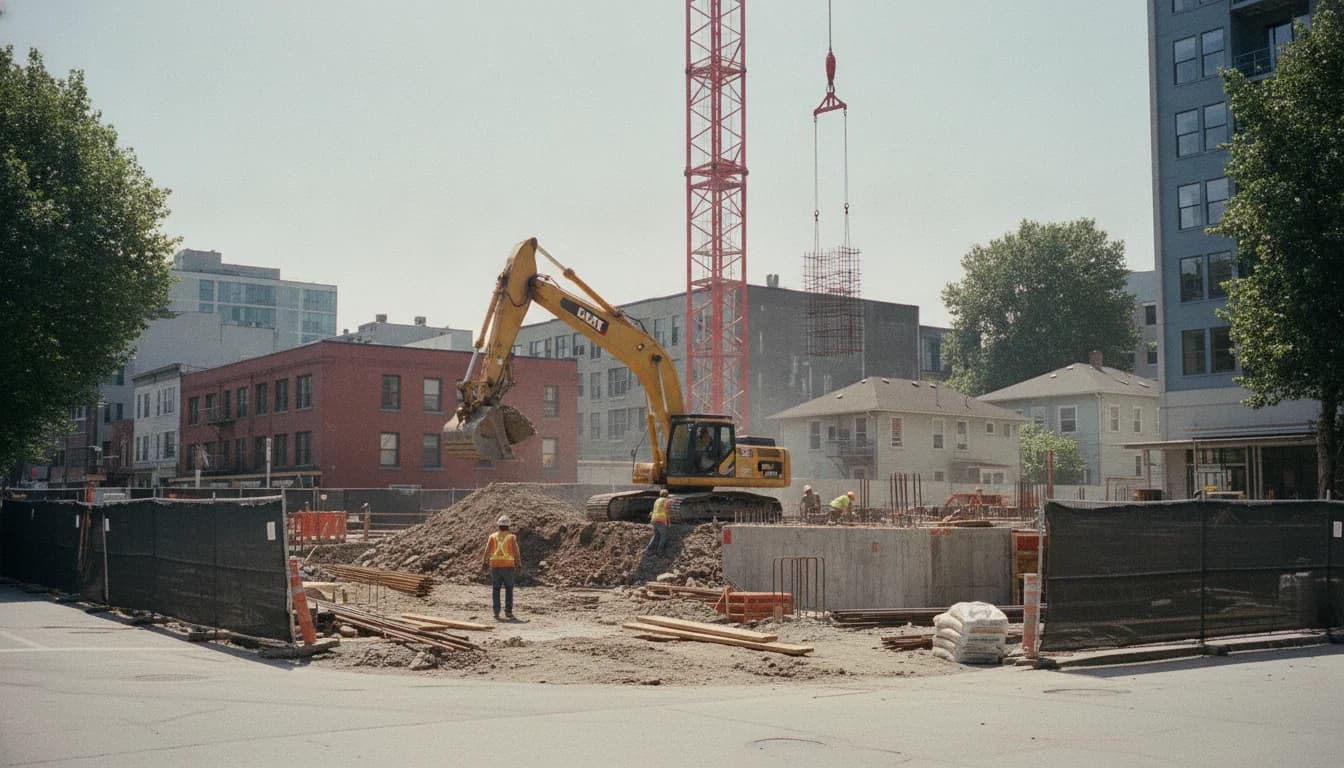
British Columbia housing funding remains a focal point of the province’s economic and social policy as Budget 2026 charts a careful path through a complex housing market. On June 2, 2026, the government announced a milestone for its housing program and outlined how a broader funding framework is being recalibrated to support both new construction and existing housing services. This development comes amid a broader provincial strategy to improve affordability, increase rental supply, and support vulnerable households, while maintaining fiscal discipline. The news matters not only for renters and would-be homeowners but also for developers, municipalities, and non-profit housing operators navigating a shifting funding pace. According to a BC Housing news release published June 2, 2026, BC Builds broke ground on its 4,000th housing unit, with nearly 820 homes under construction in Burnaby, illustrating how targeted programs are translating policy into tangible construction activity. (bchousing.org)
This moment also sits inside Budget 2026’s broader framing of housing investments. The document notes that Budget 2026 slows the pace of some housing investments and reallocates nearly $1.4 billion across the fiscal plan, reinvesting more than $900 million to support demand for existing housing services and programs, including targeted supports for non-profit housing operators and a renewed emphasis on below-market and supported housing. The plan also references a notable collaboration initiative geared toward Indigenous communities and urban partnerships, including the Attainable Housing Initiative in partnership with the Musqueam, Squamish, and Tsleil-Waututh Nations. These elements are part of a long-running provincial effort to balance rapid delivery with prudent spending, a theme that has recurred across multiple BC budgets in recent years. For more on the Budget 2026 framework, see the province’s Budget and Fiscal Plan for 2026/27 to 2028/29. (bcbudget.gov.bc.ca)
Opening Paragraphs: The News, The Context, The Immediate Impact
The key news is both a milestone and a signal: BC Builds, the province’s housing program designed to accelerate the development of middle-income housing, has now progressed to its 4,000th unit, with Burnaby projects actively under construction. This milestone, reported by BC Housing on June 2, 2026, comes alongside a broader set of policy actions aimed at expanding rental supply and strengthening supports for renters and lower-income households. The immediate impact is visible in construction activity on the ground, in the mix of housing types being funded, and in the ongoing policy dialogue about how to maintain momentum in a constrained fiscal environment. According to the BC Housing release, nearly 820 homes are under construction in Burnaby as part of the BC Builds portfolio, underscoring the program’s scale and execution tempo. Premier David Eby framed the moment as a demonstration that the province can “lead the country in results” on housing when policy is matched with funding and streamlined approvals. The release also highlights the broader shift in housing policy, including continued support for rent relief, encampment resolution, and underwriter-supported housing projects, all of which play into the longer-term stability of the housing market. For readers, the implication is clear: the province is translating budget commitments into concrete builds, even as it recalibrates the pace to ensure projects move from concept to completion efficiently. (bchousing.org)
Context matters. Budget 2026 emphasizes a measured approach to housing investments, reflecting both the opportunity to accelerate some initiatives and the need to slow others to maintain fiscal balance. The document notes that Budget 2026 reallocates funds within the three-year horizon and invests in programs that address both the supply side (new housing) and the demand side (rental assistance and supports for vulnerable renters). The three-year outlook includes targeted funding for rental supports, non-profit housing operators, and Indigenous housing partnerships, as well as broader protections intended to stabilize rents and expand access to shelter options. The framework situates BC Builds within a larger strategy to diversify housing options while managing government resources prudently. (bcbudget.gov.bc.ca)
The numbers behind the moment matter. Since 2017, provincial investment in housing has delivered or underway more than 99,000 homes, and BC Builds has expanded to a multi-site portfolio that includes Burnaby, Vancouver, and other communities. The June 2 release notes the ongoing growth of rental housing construction, including the near-term addition of hundreds of units across several projects, demonstrating that policy actions are translating into measurable construction activity. The release also shows that BC Builds is designed to move projects from concept to construction within 12 to 18 months, a time frame intended to compress the development cycle relative to traditional timelines. This is a signal of how the program intends to scale quickly in the years ahead, contingent on permitting, funding and market conditions. (bchousing.org)
The principal take-away for readers is this: British Columbia housing funding, through BC Builds and related programs, is continuing to move from policy rhetoric to on-the-ground results, even as the province adjusts its pace to align with fiscal planning. In practical terms, renters should see ongoing increases in rental supply in targeted communities, while middle-income households may access new or expanded supports that reduce upfront costs and long-term rent burdens. At the same time, the broader housing strategy remains tethered to the budgetary discipline described in Budget 2026, which aims to protect core services while driving housing-related investments where they are most needed. This balance — expanding housing supply while stabilizing the budget — is the throughline of the current coverage.
A key value proposition for BC residents is the targeted approach to housing affordability. The Budget 2025 highlights emphasize continued support for BC Builds as a mechanism to deliver middle-income rental units and to accelerate the construction cycle. The 2025 Highlights page notes that BC Builds was introduced in 2024 with initial program funding of $198 million over three years, and that Budget 2025 adds an additional $318 million over three years to deliver more homes. This signals continuity and expansion in the program’s funding trajectory, while the Budget 2026 plan signals a recalibration of pace and scope. The overall message is that the province is maintaining a sustained focus on housing funding, even as it revisits the tempo of new investments. (bcbudget.gov.bc.ca)
What Happened
Groundbreaking milestone for BC Builds
The 4,000th unit milestone
- The June 2, 2026 BC Housing press release confirms that BC Builds has broken ground on its 4,000th unit. The project activity includes nearly 820 new rental homes under construction in Burnaby as part of this milestone. Premier David Eby is quoted affirming the administration’s commitment to using policy measures to reduce costs and expand housing options. This milestone illustrates the program’s ability to translate policy into concrete development, a critical marker for policymakers and housing advocates alike. The press release explicitly frames BC Builds as a force in expanding rental supply for middle-income households, with construction activity expanding across multiple sites management by BC Housing and its partners. For readers, this milestone signals a tangible step forward in the province’s housing strategy and a demonstration of programmatic impact on the ground. (bchousing.org)
Timeline of housing investments and policy actions
- Budget 2026 situates this moment within a broader fiscal plan that emphasizes measured investment and efficiency. The Budget and Fiscal Plan — 2026/27 to 2028/29 — outlines that government is slowing the pace of some housing investments and reallocating nearly $1.4 billion across the three-year plan, reinvesting more than $900 million to support demand for existing housing services and programs. The document also highlights investments in non-profit housing operators, assisted-living supports for seniors and people with disabilities, and cultural partnerships that aim to expand below-market housing through the Attainable Housing Initiative in collaboration with Indigenous nations. This multi-year frame suggests that today’s milestone sits within a deliberate, longer-term view of housing delivery in British Columbia. (bcbudget.gov.bc.ca)
Grounding the milestone in a broader housing strategy
- The Budget 2026 narrative also references a number of existing and continuing programs designed to stabilize housing affordability at the household level. Among these are expansions to the Rental Assistance Program (RAP) and Shelter Allowance for Elderly Renters (SAFER), as well as continued support for low- and moderate-income seniors and families. The plan emphasizes that the housing investments are delivered through a combination of operating grants, capital spending, and financing arrangements, illustrating a blended financial model intended to sustain long-term housing options. The Budget 2026 text notes the pace adjustment in housing investments and explains that some reallocation is aimed at protecting core services while ensuring housing investments remain robust over the medium term. (bcbudget.gov.bc.ca)
Partnerships and community-focused housing
- The Attainable Housing Initiative, a key element of the 2026 plan, continues to partner with Indigenous nations to deliver below-market homes. Budget 2026 references partnerships with the Musqueam, Squamish, and Tsleil-Waututh Nations, signaling a broader approach to inclusive housing development that seeks to address historical disparities and create pathways to stable housing in Indigenous communities. The initiative’s role in delivering thousands of new below-market homes underscores the province’s commitment to targeted, place-based strategies within its overall housing funding framework. (bcbudget.gov.bc.ca)
What BC Builds means for renters and middle-income households
- The BC Builds program, as described in the June 2026 press release and the accompanying BC Housing materials, is designed to move projects from concept to construction in roughly 12 to 18 months. This accelerated timeline is intended to reduce the interval between project approval and occupancy, increasing the pace at which new rental units enter the market. With the 4,000th unit milestone, the program has demonstrated capacity to scale within a multi-year funding framework, reinforcing the province’s objective to deliver more homes for workers and families, including middle-income households. The press release and the supporting BC Housing materials emphasize that the initiative is helping to bring down rents by increasing supply, particularly in hub communities where demand remains strong. (bchousing.org)
Why It Matters
Impact on renters, homeowners, and communities
Direct effects on rental supply
- The June 2, 2026 BC Housing release notes significant rental housing construction growth in British Columbia, driven in part by the BC Builds program. The release cites a decline in asking rents and an increase in rental construction, highlighting the province’s position as a leading contributor to rental supply growth in Canada. While the release focuses on rent cost dynamics and construction momentum, the underlying takeaway is that the province’s housing funding strategy is beginning to translate into measurable supply-side gains that can moderate price pressures in high-demand markets. Renters in affected communities may see more choices and potentially more stable rents as new units come online. (bchousing.org)
Fiscal discipline and housing outcomes
- Budget 2026’s recalibration of housing investments — slowing pace in some areas while maintaining investment in others — reflects a careful balancing act between accelerating delivery and preserving fiscal health. The reallocation of nearly $1.4 billion across the three-year fiscal plan, with investive focus on existing housing services and targeted supports, suggests a shift toward maximizing the bang-for-buck of public funds. For readers, this implies that while new project starts may not surge at the same rapid pace as earlier years, the province intends to sustain a pipeline of housing options through a blended funding strategy. This approach aims to deliver durable outcomes for renters and middle-income households while preserving program integrity and fiscal sustainability. (bcbudget.gov.bc.ca)
Broader housing strategy in the provincial context
- The BC Builds program and related housing funding measures operate within a broader policy ecosystem that includes tax measures, rent supports, and encampment resolution initiatives. Budget 2025, for instance, highlights substantial investments in BC Builds and related affordability measures, including a multi-year funding envelope and a targeted approach to support for those living outdoors. The combination of BC Builds, rental supports, and encampment-related investments illustrates a coordinated approach to affordability that leverages capital, operating funding, and regulatory tools to influence the housing market. In this context, the June 2026 milestone reinforces the argument that housing funding in British Columbia is not only about new units but also about the quality of housing options and the stability of rental markets. (bcbudget.gov.bc.ca)
Implications for developers, municipalities, and non-profits
- The milestone and the budgetary context together create a clearer signal for developers and housing operators: BC’s housing funding remains active, with a clear emphasis on accelerating mid-market rental housing through BC Builds and on improving the efficiency of project delivery. For municipalities, the increased pipeline can influence zoning, permitting, and infrastructure planning, encouraging faster project approvals in exchange for timely occupancy. For non-profits, the continued support for operating subsidies and for programs like RAP and SAFER signals a stable funding corridor that can sustain ongoing housing operations and rentals for vulnerable populations. The Budget 2026 materials and the BC Builds updates demonstrate the government’s commitment to both supply and service components of housing affordability. (bcbudget.gov.bc.ca)
Real-world effects: numbers and outcomes
- The BC Builds output to date — with thousands of units underway and a growing regional footprint — reflects a broader trend toward larger-scale, publicly supported housing programs. The numbers reported by BC Housing (4,000th unit milestone, 820 Burnaby homes under construction) offer concrete benchmarks for market observers and policy researchers assessing the impact of housing funding on supply, rents, and neighborhood development. These metrics should be watched alongside broader indicators such as rental vacancy rates, average rents, and new registrations for purpose-built rentals, all of which provide a fuller picture of the housing market’s health in the province. (bchousing.org)
What’s Next
Near-term milestones and next steps
Short-term construction and project milestones
- The June 2, 2026 release indicates continued activity under BC Builds, including additional sites moving toward groundbreaking and occupancy in the near term. The program’s emphasis on rapid progression from concept to construction remains a core feature, with the 12–18 month timeline cited as a benchmark for project delivery. In practical terms, readers should expect more groundbreakings and occupancy announcements in the coming quarters as BC Builds-supported projects advance from initial approvals to completed rental units. The concrete evidence of momentum is the 4,000th unit milestone and the ongoing Burnaby project activity described in the release. (bchousing.org)
Policy updates and program refinements
- Budget 2026’s pacing decisions imply that some housing investments will proceed more slowly than in previous years, while others will be reinforced. This means stakeholders should anticipate program refinements, with possible reprioritization of funding toward the most time-sensitive needs, such as supportive housing and rent supplementation for vulnerable households. The Budget 2026 documentation makes this pace management explicit and frames it as a long-term, strategic approach rather than a temporary adjustment. Stakeholders should monitor subsequent budget documents and ministry announcements for further details on which programs will see increased or decreased funding in the coming years. (bcbudget.gov.bc.ca)
Intergovernmental collaboration and financing mechanisms
- The BC Builds program sits within a framework of public-private partnerships, non-profit collaborations, and Indigenous partnerships. The 2026 plan’s emphasis on Attainable Housing Initiative partnerships with Indigenous Nations indicates that federal and municipal coordination remains a critical facilitator of program delivery. While federal funding is not the sole driver of BC Builds, the provincial housing strategy often aligns with federal housing initiatives and financing mechanisms (including national housing programs and housing-related tax measures). Readers should expect continued cross-government collaboration to sustain and expand the housing pipeline in the near to mid-term. (bcbudget.gov.bc.ca)
Long-range outlook and potential risks
- The 2026 Budget and Fiscal Plan project a measured path forward for housing investments, with a continued emphasis on efficiency and value for money. However, the housing market remains sensitive to macroeconomic shifts, interest rate changes, labor market dynamics, and construction costs. As Budget 2026 notes, achieving long-term housing affordability will require ongoing attention to costs, project timelines, and the reliability of funding streams. Observers should watch for updates to the three-year fiscal plan and annual budget updates to gauge how the province adjusts housing targets in response to market conditions and fiscal realities. (bcbudget.gov.bc.ca)
Closing
The province’s housing funding story in 2026 weaves together a milestone in BC Builds with a disciplined budget framework that seeks to balance ambitious housing delivery with prudent fiscal management. The June 2, 2026 milestone — BC Builds breaking ground on its 4,000th unit with 820 Burnaby homes under construction — provides a concrete, on-the-ground signal that policy is translating into new homes and rental options for British Columbians. At the same time, Budget 2026’s pace adjustments and reallocation of nearly $1.4 billion reflect a careful calibration designed to sustain housing services and expand supports for renters, seniors, and Indigenous housing initiatives, while maintaining overall fiscal health. As BC continues to execute its housing strategy, the coming months will reveal how these investments shape the province’s rental market, affordability, and development climate.
Readers who want to stay updated can monitor:
- BC Housing press releases and project updates for BC Builds milestones and new groundbreakings. BC Housing press release (June 2, 2026) (bchousing.org)
- The province’s Budget 2026 materials for the latest information on housing investments, pacing, and program changes. Budget and Fiscal Plan 2026/27 to 2028/29 (bcbudget.gov.bc.ca)
- Budget 2025 highlights for historical context on BC Builds funding trajectories. Budget 2025 Highlights (bcbudget.gov.bc.ca)
Works Cited and Primary Sources
- BC Housing. Rental prices down, rental housing construction up in B.C. — June 2, 2026. Groundbreaking for BC Builds’ 4,000th unit. [BC Housing press release] (https://www.bchousing.org/news/releases/rental-prices-down-rental-housing-construction-up-in-bc). (bchousing.org)
- British Columbia Ministry of Finance. Budget and Fiscal Plan 2026/27 to 2028/29. [PDF] (https://www.bcbudget.gov.bc.ca/2026/pdf/2026_Budget_and_Fiscal_Plan.pdf). (bcbudget.gov.bc.ca)
- BC Budget 2025 – Highlights. [Highlights page] (https://bcbudget.gov.bc.ca/2025/highlights.htm). (bcbudget.gov.bc.ca)