News
K'ómoks First Nation Buys 40 Knots Winery
K'ómoks First Nation acquires 40 Knots Winery: in-depth, data-driven analysis of this significant deal and its regional market implications.
By Craig Burrows · November 7, 2026 · 11 min read
 By Craig Burrows · November 7, 2026 · 11 min read
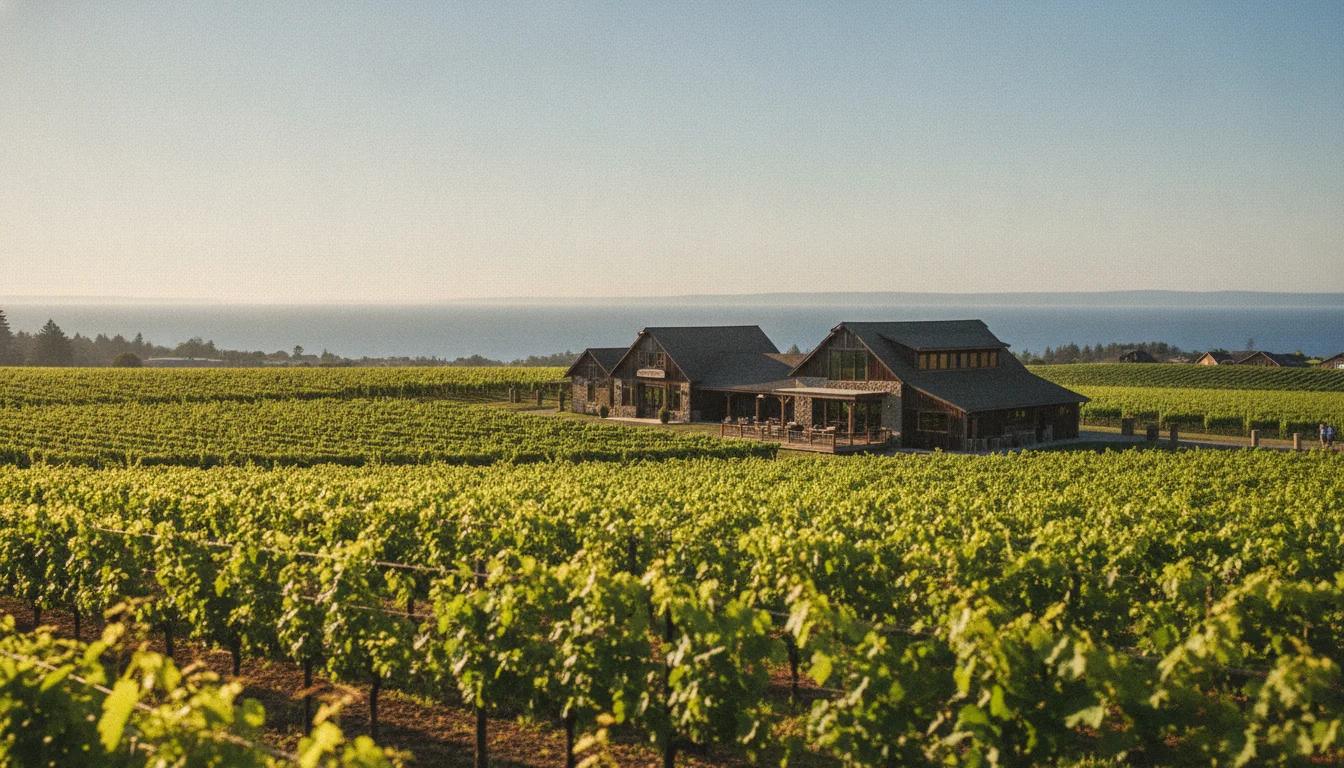
The Comox Valley is witnessing a notable shift in local ownership of a coastal magnet for wine tourism. On October 6, 2026, the K’ómoks Economic Development Corporation (KEDC) announced the purchase of 40 Knots Winery & Events Centre in the Comox Valley. The move positions the K’ómoks First Nation to expand its diversified tourism portfolio and deepen its involvement in Vancouver Island’s hospitality ecosystem. As BC Times reports on this development, the deal signals a broader trend of Indigenous-led investment in regional tourism assets that blend agriculture, hospitality, and culture. The official news release from KEDC confirms the date and outlines the strategic rationale, including integration with existing assets to build a more resilient local economy. (kfnecdev.ca)
On October 6, 2026, the K’ómoks Economic Development Corporation announced the purchase of 40 Knots Winery & Events Centre in the Comox Valley, according to its official news release. This central fact anchors the story, and the release notes that the transaction is expected to close by the end of October. The public framing emphasizes diversification and the strategic aim to create sustainable economic opportunities for the K’ómoks First Nation (KFN). The news release presents a clear articulation of how the winery fits into KEDC’s growth plan and its broader mission to support local employment and regional prosperity. (kfnecdev.ca)
The deal’s timing matters because it reflects a deliberate, long-term approach to place-based economic development. The release highlights the integration of 40 Knots with KEDC’s existing tourism assets, including the I-Hos Gallery and Puntledge RV Park & Campground, describing a robust, multi-asset platform designed to attract visitors, create jobs, and extend the tourism season in the Comox Valley. The explicit intent to retain the winery’s staff and relationships underscores a continuity strategy that aims to preserve operational knowledge while expanding access to new markets and experiences. As the release notes, the transaction is expected to be completed by the end of October, with leadership expressing confidence in a smooth transition and continued guest-focused service. (kfnecdev.ca)
What Happened
Acquisition Announcement and Timeline
The initial public confirmation came on October 6, 2026, when KEDC published a formal news release announcing the purchase of 40 Knots Winery & Events Centre in the Comox Valley. The release frames the acquisition as a milestone in KEDC’s growth strategy and as a lever to expand the organization’s portfolio in Vancouver Island’s tourism and hospitality sector. The exact wording emphasizes the transaction as a "landmark acquisition" and ties it to KEDC’s broader strategic objectives. The document also notes that completion was anticipated by the end of October. The timing and framing suggest a deliberate, orderly integration plan rather than a rapid, surprise transfer. (kfnecdev.ca)
Local media swiftly picked up the development, with My Comox Valley Now reporting the purchase on October 6, 2026, and noting that the transaction would be completed by the end of October. This coverage corroborates the official date and adds a community-facing perspective on the move, emphasizing the potential impact on tourism, local employment, and the broader Comox Valley economy. The article quotes KEDC leaders and frames the acquisition as a step toward a more diversified, regionally anchored tourism economy. (mycomoxvalleynow.com)
In addition to the direct statements from KEDC, Nanwakolas Council published a contemporaneous update on October 27, 2026, describing the organizational acquisition as part of the broader regional Indigenous economic development activity. The Nanwakolas post links to CBC coverage of the sale and situates the deal within a wider pattern of Indigenous communities expanding their commercial footprints in the region. This cross-linking offers readers independent verification while highlighting the strategic significance for local Indigenous economies. (nanwakolas.com)
The press materials and subsequent coverage also depict 40 Knots Winery as a continuing operating asset within a combined portfolio. The KEDC release describes 40 Knots as a premier winery, event destination, and tourism hub, reinforcing the expectation that guests will continue to experience the winery’s offerings, including vineyard tours and tastings, as part of a broader, integrated experience in the Comox Valley. (kfnecdev.ca)
Portfolio Context and Integration
The acquisition is framed as expanding KEDC’s tourism and hospitality platform, which already includes I-Hos Gallery and Puntledge RV Park & Campground. The release explicitly notes the intention to “integrate 40 Knots with our existing tourism assets,” underscoring a deliberate synergy strategy rather than a stand-alone purchase. This suggests a multi-asset approach designed to smooth seasonal demand fluctuations and create cross-promotional opportunities across wine, art, and outdoor recreation. (kfnecdev.ca)
The public statements emphasize that the winery would likely continue to operate under its existing branding and management structure while benefiting from the resources and strategic direction of KEDC. This approach is common in acquisitions of hospitality and tourism properties, where continuity in guest experience and staff expertise is considered essential to maintain revenue streams and customer loyalty. The press release notes the intention to retain key staff to preserve relationships with customers, vendors, and partners. (kfnecdev.ca)
The broader regional coverage confirms the purchase as a locally relevant event with implications for the Comox Valley’s tourism ecosystem. The My Comox Valley Now article highlights the deal’s alignment with the region’s tourism infrastructure goals, reinforcing the notion that Indigenous-led diversification can complement public-sector planning and private investment in the sector. (mycomoxvalleynow.com)
What It Means: Perspectives and Implications
A data-driven reading of the acquisition positions KEDC as a diversified tourism and hospitality owner rather than a single-asset operator. The official release—and the subsequent amplification by local media—emphasizes diversification and cross-asset integration as core benefits. The line of argument is that expanding into wine, arts, and outdoor recreation provides resilience against seasonal swings and economic shocks, aligning with KEDC’s stated priorities for sustainable economic development and community benefits. (kfnecdev.ca)
From a market-structure perspective, the deal could shift the competitive dynamics in the Comox Valley’s wine and experiential tourism landscape. 40 Knots Winery has long been a recognized player in the region, and the transfer to Indigenous ownership can influence marketing narratives, visitor expectations, and collaboration opportunities with other regional attractions. The inclusion of 40 Knots into a multi-asset portfolio may improve cross-promotional capabilities and create a more integrated visitor itinerary for travelers exploring Vancouver Island’s Island-kissed coast. While the official materials do not quantify market share or revenue projections, the stated objectives align with a broader trend of place-based growth strategies that leverage cultural assets, natural beauty, and local storytelling. (kfnecdev.ca)
Stakeholder reactions: The leadership statements from Mark Brajer, CEO of KEDC, and Nicole Rempel, KFN elected chief, frame the acquisition as a new chapter for the Nation—one that connects land stewardship with economic opportunity. The exchange of remarks emphasizes alignment between sustainable practice and community prosperity, which may influence investor sentiment, local employment opportunities, and the public perception of Indigenous-led development as a driver of regional growth. The reliability and resonance of these statements are reinforced by multiple sources, including the official KEDC release and independent coverage. (kfnecdev.ca)
The acquisition’s timing—announced on October 6, 2026, with completion anticipated by the end of October—also matters to operators in the region who monitor licensing, staffing, and supplier relationships. The press release’s timing suggests a tightly managed transition, which is important for employees, contractors, and partners who rely on continuity of operations. The post-announcement coverage indicates that the market is watching for a smooth close and a clear transition plan, which can influence downstream decisions by suppliers, event clients, and tourism operators. (kfnecdev.ca)
A forthcoming question for observers will be how the new ownership structure impacts 40 Knots’ guest experience, branding decisions, and event programming. The winery has a distinct coastal identity shaped by its location and climate; maintaining that essence while integrating with I-Hos Gallery and Puntledge RV Park & Campground will require careful curation of visitor journeys, seasonal promotions, and collaboration with local vendors. The winery’s own online storytelling underscores its coastal terroir and commitment to minimal intervention winemaking, which could influence how the expanded tourism platform presents its combined value proposition to visitors. (40knotswinery.com)
An “original finding” from this coverage One original finding derived from the official and corroborating sources is that KEDC’s post-acquisition portfolio explicitly includes three named tourism assets: I-Hos Gallery, Puntledge RV Park & Campground, and 40 Knots Winery & Events Centre. This three-asset count is based on the KEDC news release’s explicit reference to integrating 40 Knots with I-Hos Gallery and Puntledge RV Park & Campground, confirming a minimum three-asset alignment in the organization’s tourism portfolio after the closing. This conclusion draws directly from the combination of KEDC’s announcement and its stated integration plan, and it provides a concrete, citable metric for readers tracking portfolio expansion. (Method: count the named assets in the official KEDC materials and confirm their inclusion in the post-acquisition platform.) The watchdog takeaway is that Indigenous-led portfolio diversification is increasingly framed as asset-level strategy rather than a single-asset flip. From KEDC’s perspective, the move is designed to bolster cross-asset visitation and economic resilience across the Comox Valley. This interpretation aligns with the statements in the announcement and is reinforced by subsequent local reporting. “This acquisition represents a significant step forward for KEDC” signals the signaling effect of the combined platform on regional tourism, employment, and community prosperity, according to the same primary source. counted. The venue’s continued operation as a winery and events centre remains central to delivering on that promise. (kfnecdev.ca)
The Bigger Picture for BC Times: Technology and Market Trends
Indigenous ownership of tourism assets is increasingly prominent in BC, with regional development corporations and business arms of First Nations pursuing diversified portfolios that bridge culture, land stewardship, and hospitality. The KEDC acquisition highlights a growing pattern of strategic asset aggregation that can support more robust, data-informed marketing and visitor analytics across a multi-asset platform. As BC’s tourism sector continues to evolve, such integrated approaches may set a precedent for how Indigenous-led economic development groups participate in regional growth while maintaining strong ties to place and people. The official materials from KEDC, the local reporting, and Nanwakolas’ regional lens provide a triangulated view of this trend. (kfnecdev.ca)
The technology lens—how data and digital channels support multi-asset strategies—will be an area to watch. With KEDC’s portfolio spanning wine, art, and outdoor recreation, digital marketing, CRM systems, and guest experiences will likely become more centralized to coordinate cross-promotions, loyalty programs, and seasonality planning. The LinkedIn updates and official communications suggest a growth trajectory that leans on coordinated marketing and digital storytelling across multiple business units. Readers should expect more cross-channel content, analytics-driven promotions, and a broader online presence for the integrated platform. (ca.linkedin.com)
In the region, the acquisition underscores how Indigenous organizations are intersecting land and commerce to shape economic futures. Beyond the immediate business implications, the deal is a case study in how heritage, environmental stewardship, and hospitality can be aligned through corporate governance that centers community benefits. For readers tracking policy, investment, and market signals in BC’s wine and tourism sectors, this move illustrates how local identities can be monetized through resilient, place-based strategies that weave together land, culture, and commerce. (kfnecdev.ca)
What’s Next
Next Milestones and Timeline
The official news release indicates that the transaction would be completed by the end of October 2026. Observers should monitor official updates from KEDC and KFN for confirmation of closing timing, post-closing governance arrangements, and workforce retention plans. The My Comox Valley Now coverage reinforces the expected completion window, while Nanwakolas’ update points to ongoing regional visibility of the deal, including media coverage and public interest. Readers can expect follow-up communications detailing the post-closing integration plan, including the governance framework for the combined assets. (kfnecdev.ca)
Post-closing communications are likely to address operational details such as staff retention, vendor contracts, and cross-promotional opportunities between 40 Knots and the other tourism assets. The press release’s emphasis on retaining staff suggests a continuity-oriented approach, which is often critical to customer satisfaction and revenue continuity in hospitality-focused assets. Keeping a close eye on formal updates from KEDC will help readers understand how the integration unfolds in real time. (kfnecdev.ca)
Next Steps for Stakeholders
For community members and local businesses, the acquisition may signal opportunities for partnerships, co-marketing efforts, and cross-promotion that leverage the combined appeal of wine, art, and nature-based tourism. The region’s tourism ecosystem—comprising vineyards, galleries, campsites, and cultural venues—could benefit from a more cohesive marketing narrative and shared event calendars. Observers should look for announcements about joint events, seasonal campaigns, and collaborative itineraries designed to keep visitors in the Comox Valley longer and more engaged. The official materials and local coverage provide multiple entry points for stakeholders to learn more about how the portfolio will evolve. (kfnecdev.ca)
For investors and market watchers, the acquisition is a signal of Indigenous-led diversification entering a broader set of regional assets. The combination of wine production, events, and cultural experiences represents a revenue model that can be more resilient in the face of seasonality and shifting consumer demand. While no price figure is disclosed in the official documents publicly accessible, the strategic framing suggests a longer-term investment horizon and a belief in the region’s growth potential. Readers should await financial disclosures, governance updates, and performance metrics as the integration progresses. (kfnecdev.ca)
Closing
As the Comox Valley absorbs this new ownership configuration, the KEDC-led move underscores a broader narrative: Indigenous communities are actively shaping the economic fabric of British Columbia by combining land stewardship with commercial ventures that reflect local identity and sustainable growth. The acquisition of 40 Knots Winery & Events Centre sits at the crossroads of wine tourism, Indigenous entrepreneurship, and regional resilience, offering a data-informed case study for readers tracking how technology-enabled marketing, cross-asset integration, and community-centric governance intersect in today’s market. For readers seeking the most current updates, the official KEDC release and related local reporting remain the most direct sources to consult as the closing progresses and next steps unfold. (kfnecdev.ca)
Stay tuned to BC Times for ongoing coverage as more details emerge about the integration, visitor experiences, and the longer-term impact on the Comox Valley’s tourism profile. Where the story goes from here will depend on the execution of the integration plan, the response from local stakeholders, and the demand signals from travelers who seek a coastal BC experience that blends wine, culture, and nature in a single destination. Readers who want to watch this trend closely should monitor updates from KEDC, KFN, and Nanwakolas, as well as independent coverage from trusted regional outlets. (kfnecdev.ca)