News
Port of Coos Bay Intermodal Funding: Federal Grant Secured
Port of Coos Bay intermodal funding, supported by federal grants, is shaping a vital West Coast trade gateway, data-driven and neutral.
By Nina Kowalski · November 3, 2026 · 11 min read
 By Nina Kowalski · November 3, 2026 · 11 min read
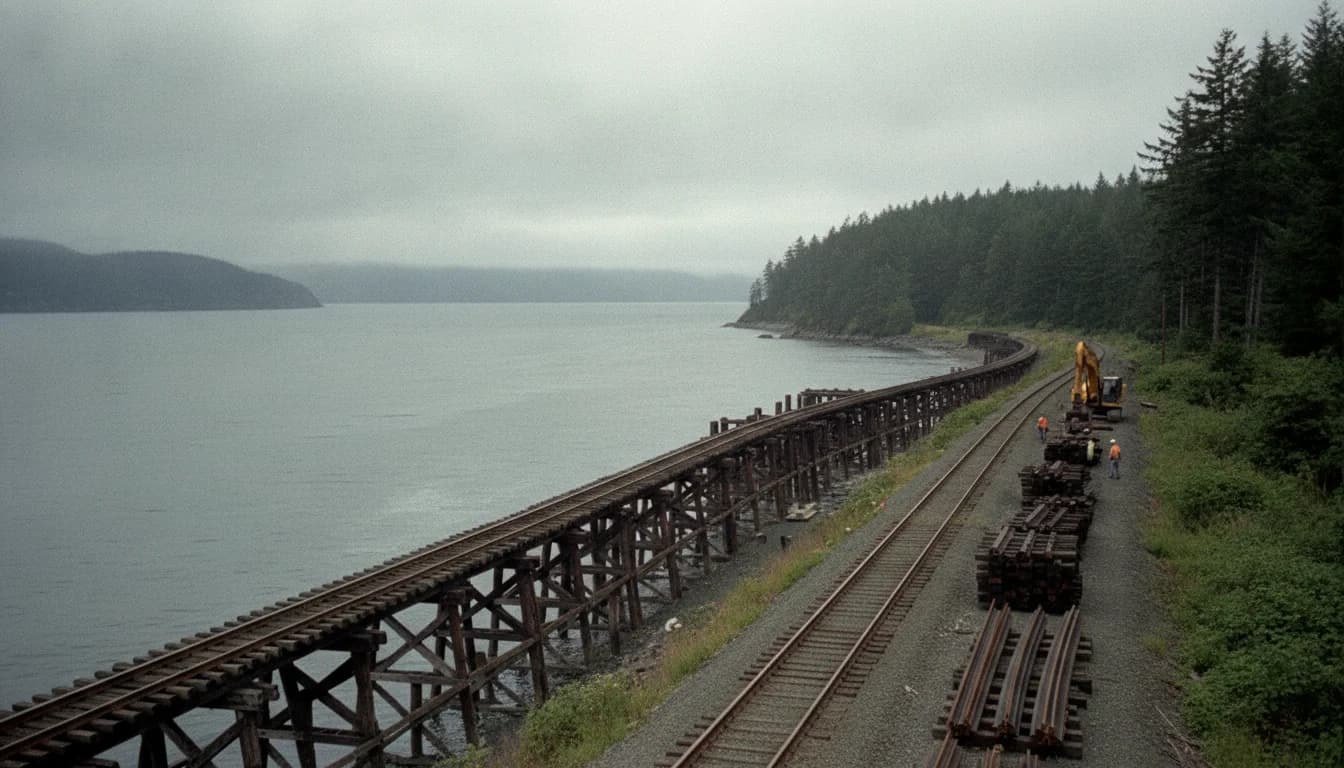
The Port of Coos Bay announced a major federal funding milestone on October 19, 2026, marking a critical inflection point for its Pacific Coast Intermodal Port (PCIP) project. The port disclosed that the U.S. Department of Transportation awarded $204.8 million through the Consolidated Rail Infrastructure and Safety Improvements (CRISI) program to advance rail and terminal work intended to connect a future international container terminal on Oregon’s South Coast to the national freight network. This funding is among the largest CRISI awards nationwide in this cycle and signals a substantial federal commitment to a new West Coast gateway. For context, the port’s press materials emphasize that the CRISI investment funds final design and construction of major improvements to the Coos Bay Rail Line, including track upgrades, bridges, tunnels, sidings, turnarounds, and centralized traffic control to enable double-stack container trains. The port also notes the PCIP’s public-private partnership with NorthPoint Development, which is leading marine-terminal development and has supported the grant applications over several years. This milestone matters because it moves a rural South Coast region closer to a first-of-its-kind ship-to-rail terminal on the West Coast, with implications for regional jobs, supply-chain resilience, and broader national trade capacity.
- Source: Port of Coos Bay press release, October 19, 2026. See the official release: Port of Coos Bay Awarded $204 Million in Federal Funding to Advance Pacific Coast Intermodal Port. 【Port of Coos Bay press release】 (portofcoosbay.com)
- Related coverage and official confirmations also highlight a parallel federal funding narrative and bipartisan support from Oregon’s congressional delegation. United States senators and a representative publicized the award, underscoring the nationwide significance of this project. 【U.S. Senator Wyden press coverage】 (wyden.senate.gov)
The broader funding landscape for PCIP includes prior federal awards and a mounting state-private funding framework. In October 2024, the Port of Coos Bay announced a $25 million INFRA grant from the U.S. Department of Transportation to support environmental compliance, permitting, and design/engineering for the PCIP, marking an important non-CRISI federal milestone and validating the project’s multi-year funding strategy. The INFRA grant was described by port leadership as a game-changer for advancing catalytic infrastructure with regional economic implications. The project’s supporters have repeatedly framed these federal awards as critical steps toward unlocking a multi-modal gateway that could alleviate port and rail congestion, while boosting regional competitiveness. For more on the INFRA grant announcement, see the port’s October 17, 2024 press release. 【Port of Coos Bay INFRA grant press release】 (portofcoosbay.com)
A separate development line from 2026 builds on an earlier PIDP (Port Infrastructure Development Program) grant, reflecting ongoing federal backing for PCIP’s terminal connection layer. In April 2026, federal lawmakers highlighted a PIDP grant of $11.25 million to support the PCIP Terminal Connection Project, targeting the Coos Bay Rail Line’s capacity and reliability improvements that will underpin future intermodal movements. This PIDP funding complemented prior investments and demonstrated the cross-branch support for PCIP from both the executive and legislative branches. The PIDP grant update was publicized by Oregon representatives and stands as part of the broader federal funding mosaic for the PCIP. For the PIDP announcement, see the April 27, 2026 release from Congresswoman Val Hoyle and colleagues. 【Hoyle press release, PIDP funding for PCIP rail project】 (hoyle.house.gov)
What Happened
CRISI funding anchors construction and design for a major rail backbone
- The central, headline development is the CRISI grant awarded on October 19, 2026, totaling $204.8 million to the Port of Coos Bay for the Pacific Coast Intermodal Port rail infrastructure. The CRISI award funds the final design and construction components of the Coos Bay Rail Line upgrades, enabling the PCIP’s ship-to-rail capability and its broader terminal ambitions. The port describes the award as among the largest nationwide in the CRISI program this cycle, underscoring a significant federal commitment to a new West Coast container gateway. The project scope includes track and bridge improvements, tunnels, new sidings and turnarounds, and upgraded signaling to support double-stack trains. Official sources emphasize the partnership with NorthPoint Development and the focus on completing the rail backbone that will connect to an inland container terminal. The program’s role is framed as modernizing freight infrastructure to move goods more efficiently across the supply chain. For the official release, see the Port of Coos Bay press release dated October 19, 2026. 【Port of Coos Bay press release】 (portofcoosbay.com)
A broader federal-funding sequence: INFRA and PIDP as complementary supports
- In October 2024, the port disclosed a $25 million INFRA grant to support PCIP’s environmental compliance, permitting, and design/engineering work, illustrating a parallel federal funding track that complements CRISI. The INFRA award is a key piece of the project’s early-stage readiness and demonstrates the federal willingness to back regional intermodal infrastructure that aligns with national freight goals. The INFRA press release details the grant and quotes port leadership about the significance of the award. For the INFRA award, see the October 17, 2024 release. 【Port of Coos Bay INFRA grant press release】 (portofcoosbay.com)
- In April 2026, PIDP funding of $11.25 million was announced to support the PCIP Terminal Connection Project, further illustrating a multi-year federal investment strategy for PCIP’s terminal and rail components. Leaders described the PIDP award as a meaningful step toward advancing the project’s multi-modal capabilities and regional economic impact. The PIDP grant update and related coverage are documented in the press materials released by regional lawmakers and the port. For the PIDP attachment, see the April 27, 2026 press materials. 【Hoyle press release, PIDP funding for PCIP rail project】 (hoyle.house.gov)
The numbers and sources matter; the PCIP has a multi-year funding arc that blends CRISI, INFRA, and PIDP programs to advance different facets of the intermodal project. The October 2026 CRISI award sits atop earlier INFRA and PIDP investments, creating a layered federal funding profile that supports rail upgrades, environmental work, design, and the terminal framework needed for a potential ship-to-rail gateway.
Section 1: What Happened
Major federal grants announced for the PCIP
- The CRISI grant: $204.8 million awarded by the U.S. DOT to fund final design and construction of the PCIP’s Coos Bay Rail Line upgrades and related rail infrastructure. The port notes that this award surpasses prior PCIP funding commitments and marks a major milestone toward construction readiness. The official port release provides the precise amount and the project scope. 【Port of Coos Bay press release】 (portofcoosbay.com)
- The INFRA grant: $25 million awarded in October 2024 to support environmental compliance, permitting, and design/engineering for PCIP components, signaling the federal government’s commitment to advancing the project’s readiness. The port’s INFRA release outlines the grant and project rationale. 【Port of Coos Bay INFRA grant press release】 (portofcoosbay.com)
- The PIDP grant: $11.25 million announced in April 2026 to support the PCIP Terminal Connection Project, focused on downstream rail yard and track improvements that enable efficient cargo movements as part of the broader intermodal port vision. The April 2026 PIDP update is documented in congressional releases and port communications. 【Hoyle press release, PIDP funding for PCIP rail project】 (hoyle.house.gov)
Timeline and context
- 2024-10-17: INFRA grant announced for PCIP, signaling early federal readiness for environmental and design work. 【Port of Coos Bay INFRA grant press release】 (portofcoosbay.com)
- 2026-04-27: PIDP award announced to support the Terminal Connection Project, reinforcing multi-source federal momentum. 【Hoyle press release, PIDP funding for PCIP rail project】 (hoyle.house.gov)
- 2026-10-19: CRISI grant announced for PCIP rail infrastructure; the award occurs alongside ongoing public-private partnership with NorthPoint Development. 【Port of Coos Bay press release】 (portofcoosbay.com)
- 2026-10-19: Congressional coverage confirms the scale of the CRISI award and frames it within a broader federal push, including existing PIDP support. 【U.S. Senator Wyden press coverage】 (wyden.senate.gov)
A single liftable fact
- On October 19, 2026, the Port of Coos Bay announced a $204.8 million CRISI grant from the U.S. Department of Transportation for PCIP; separately, the port reported a $25 million INFRA grant (October 17, 2024) and a $11.25 million PIDP grant (April 27, 2026), bringing the total federal PCIP funding announced to about $241.0 million. This encapsulates the scale and sequence of the federal funding stack supporting the PCIP. Sources: CRISI grant (Port of Coos Bay), INFRA grant (Port of Coos Bay), PIDP grant (Hoyle press release). 【Port of Coos Bay press release】 (portofcoosbay.com)
Section 2: Why It Matters
Economic and regional impact
- The PCIP is framed as a transformative opportunity for Oregon’s South Coast, combining a modern marine terminal, upgraded navigation channels, and improvements to over 111 miles of the Coos Bay Rail Line. The CRISI investment underpins a project expected to support tens of thousands of jobs over multiple years and to alter the region’s logistics profile by enabling a large-scale ship-to-rail container gateway. The port’s communications emphasize the potential for direct, durable job creation and a broader strengthening of regional economic resilience. These are important considerations as communities weigh the benefits of large-scale infrastructure projects against environmental and permitting processes. The official PCIP overview describes the terminal and rail components and highlights the potential for a significant regional economic uplift. 【Port of Coos Bay press release】 (portofcoosbay.com)
Federal investments as signals for national capacity
- The CRISI award, as highlighted by congressional leaders, positions PCIP as a national-scale gateway project with cross-regional implications for freight movement along the West Coast. The Oct 2026 coverage by U.S. Senators Merkley and Wyden and Rep. Hoyle underscores the role of federal investments in rural and coastal economies, and how these projects connect to national supply chains and industrial strategy. The congressional press release details the scale of funding and the regional economic promises tied to the project. 【Wyden press coverage】 (wyden.senate.gov)
Strategic alignment with broader transportation goals
- PCIP’s emphasis on rail-centric cargo movement aligns with ongoing federal and state priorities to de-bottleneck supply chains and reduce highway congestion by shifting more freight to rail. The INFRA and PIDP components, alongside CRISI, illustrate a multi-pronged approach to building a multi-modal gateway that could serve as a model for other rural-to-urban freight corridors. The INFRA press release describes how environmental and permitting milestones fit into a broader design-and-build strategy, while the PIDP press release shows how congressional support translates into terminal-level improvements. 【Port of Coos Bay INFRA grant press release】 (portofcoosbay.com) 【Hoyle PIDP press release】 (hoyle.house.gov)
Who is affected and who benefits
- The direct beneficiaries include workers involved in rail upgrades, terminal construction, and ongoing operations once PCIP becomes fully functional. The PCIP project’s own materials estimate tens of thousands of jobs across construction and long-term operations, reflecting the broader economic leverage of major port infrastructure. The CRISI award’s emphasis on double-stack capabilities, improved signaling, and expanded yard capacity is designed to support higher-volume, more reliable intermodal traffic, potentially lowering transportation costs for shippers and providing more predictable service for freight customers. The public-facing materials emphasize the regional focus as well as national trade linkages. The project’s governance structure—Port of Coos Bay in partnership with NorthPoint Development—also highlights how public-private partnerships can accelerate intermodal development.【Port of Coos Bay press release】【Port of Coos Bay INFRA grant press release】 (portofcoosbay.com)
Section 3: What’s Next
Next steps for PCIP funding and approvals
- The PCIP timeline relies on continued environmental review, permitting, engineering, and design activities to prepare for construction. Port communications indicate that federal funds are being deployed in stages, with CRISI funding underpinning rail improvements while INFRA and PIDP dollars advance environmental and planning work. The PCIP project site provides current planning activities, project progress updates, and a roadmap for approvals anticipated in the coming years. The official PCIP materials emphasize that, subject to necessary funding and approvals, the project could progress through planning and permitting phases into construction. 【PCIP planning and project materials】 (pcipproject.com)
Next steps on funding milestones and oversight
- The multi-source federal funding approach will require ongoing coordination among the Port of Coos Bay, NorthPoint Development, state agencies, and federal program managers. The PIDP and INFRA awards indicate steady federal engagement, while CRISI provides a more substantial, construction-focused capital infusion. The congressional coverage and port communications suggest a continuing emphasis on federal support, with additional announcements likely as milestones are achieved and as environmental and design work progresses. The port’s press releases and related federal communications outline expected timelines for ongoing funding actions, permitting, and construction phases. 【Hoyle PIDP press release】【Port of Coos Bay press release】 (hoyle.house.gov)
What readers should watch for
- Milestones to watch include:
- Reach and approval of environmental documents and permitting for PCIP components.
- Commencement of construction activities on the Coos Bay Rail Line upgrades.
- Any additional federal funding announcements related to PCIP’s ship-to-rail gateway, terminal yard, or related infrastructure.
- The PCIP’s official materials emphasize that the project spans planning, permitting, and construction phases, with a target timeline that, if met, could lead to opening milestones several years after initial approvals. Updates to the project’s website and press room will be the primary sources for next-step announcements. 【PCIP project updates】 (pcipproject.com)
Closing
The Port of Coos Bay’s intermodal funding story is a clear example of a rural/outlying port leveraging federal investments to reposition itself within national logistics networks. The October 2026 CRISI grant rounds out a multi-year funding sequence that previously included INFRA and PIDP support, illustrating a deliberate, staged approach to building a modern, rail-centric intermodal gateway on Oregon’s South Coast. The combined funding signals not just promises for local jobs and regional development but also a broader statement about the role of federal capital in advancing strategic freight corridors. As PCIP moves toward the design and construction milestones, observers will want to track environmental approvals, permitting progress, and any subsequent federal awards that could accelerate or expand the project’s scope.
Readers who want to stay updated can follow the Port of Coos Bay’s press room and the PCIP project site for ongoing announcements and milestones:
- Port of Coos Bay press releases and announcements: Port of Coos Bay press releases. 【Port of Coos Bay press release】 (portofcoosbay.com)
- PCIP project updates and planning materials: PCIP site and FAQs. 【PCIP planning and project materials】 (pcipproject.com)