News
Lam Research Oregon Lab Expansion Breaks Ground
Lam Research Oregon Lab expansion breaks ground, signaling a major investment in Oregon’s Silicon Forest for AI chip R&D.
By Craig Burrows · October 15, 2026 · 11 min read
 By Craig Burrows · October 15, 2026 · 11 min read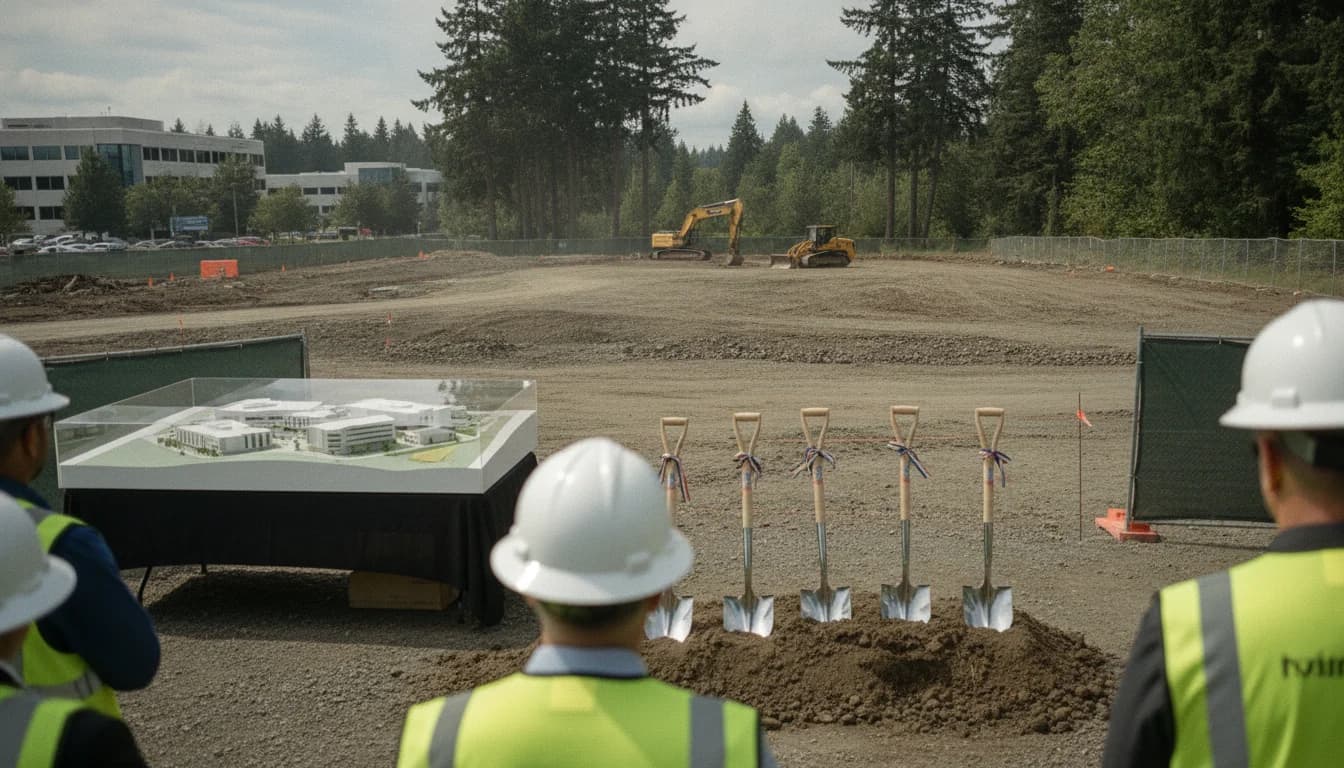
Lam Research announced a major milestone in its Oregon footprint on August 26, 2026: breaking ground on a new Oregon lab in Tualatin as the first milestone of a broader, multi-building expansion. The ceremony and the accompanying leadership remarks signal a deeper commitment to Oregon’s Silicon Forest and to accelerating semiconductor research and development in the AI era. According to Lam Research’s own press materials released on August 26, 2026, the Oregon lab is a centerpiece of a plan to invest more than $3 billion across Lam’s global lab network over the next five years, a figure that underscores the company’s strategic bet on R&D as a driver of long-term growth. This milestone is not isolated; it sits within a broader state and regional effort to expand high-tech manufacturing capabilities in the Portland metropolitan area, with state and local partners publicly supporting the expansion. (newsroom.lamresearch.com)
In the immediate aftermath of the groundbreaking, Oregon officials highlighted the project’s potential to invigorate local economies, diversify the Silicon Forest’s industrial mix, and sustain high-skilled jobs in a region that has long depended on advanced manufacturing. The event drew the attention of federal, state, and local leaders, reinforcing a narrative that Oregon can compete for long-horizon semiconductor investments even as the broader industry contends with cyclical demand shifts. Lam’s leadership framed the Oregon lab expansion as a strategic platform for collaboration with chipmakers and a hub for AI-ready process R&D, positioning the project as a critical node in a continental network of labs designed to accelerate timeline-to-market for next-generation chips. The implications extend beyond Lam’s corporate balance sheet: the initiative is framed as a regional investment in talent, infrastructure, and supplier ecosystems that could influence local tax bases, workforce pipelines, and university–industry partnerships for years to come. (newsroom.lamresearch.com)
Opening the door to a more detailed view, this BC Times report synthesizes the publicly available, verifiable facts about the Lam Research Oregon Lab expansion, while keeping a careful eye on the broader market and policy context that frames the project. The news comes amid a rising tide of AI-focused chip investments in the Northwest. Lam’s Oregon initiative sits in a landscape that includes government-backed incentives, industry groups advocating for a strong semiconductor supply chain, and an evolving workforce development ecosystem designed to sustain high-tech manufacturing. This piece provides a chronological map of what happened, why it matters, and what’s next, anchored by primary statements from Lam Research and government partners, and supplemented by independent analysis from industry observers. For readers seeking the core documents, Lam’s public releases and Oregon government statements are linked within the body of this article.
What Happened
Groundbreaking ceremony and location In a ceremony held on August 26, 2026, Lam Research broke ground on a new Oregon lab at its Tualatin campus, marking the first milestone in a planned expansion of Lam’s regional lab footprint. The event highlighted the company’s intent to add capacity dedicated to R&D for AI-related semiconductor technologies, with the new facility designed to complement Lam’s existing Silicon Forest campus network. The Tualatin lab expansion is described by Lam as part of a multi-building program intended to strengthen R&D infrastructure near customers and suppliers. The choice of Tualatin underscores Lam’s ongoing preference for Oregon’s skilled workforce and established semiconductor ecosystem. The company’s public materials confirm the groundbreaking date and the location, with officials from state and local government attending to celebrate the moment. (newsroom.lamresearch.com)
Timeline and project scope Lam’s August 26, 2026 announcement frames the Oregon lab expansion as the initial milestone in a broader, multi-year plan to expand its global lab network. The company describes the initiative as part of a strategic push to accelerate AI-era semiconductor research and development through enhanced collaboration with chip makers and research partners. While the exact scope of the Oregon facility up front includes a dedicated research space, the long-range plan envisions multiple buildings and an extended footprint around the Tualatin campus, designed to scale as research programs mature and new partnerships form. In parallel, Lam has signaled ongoing investments elsewhere in its Oregon footprint, reinforcing the state’s role as a central hub for its R&D and advanced manufacturing initiatives. (newsroom.lamresearch.com)
Key participants and statements The groundbreaking drew participation from senior Lam leaders and Oregon officials, including representatives from the Governor’s Office, local government, and other stakeholders in the Silicon Forest. Lam’s communications emphasize the event as a tangible step in a broader, long-horizon investment strategy, while government statements frame the expansion as a strategic win for the region’s high-tech economy and for the state’s ongoing semiconductor policy agenda. Notably, Lam’s materials reference the initiative as a core element of the company’s plan to support a future-ready supply chain, with the company projecting job creation and long-term economic impact tied to the R&D expansion. Primary sources outline the event’s date, the site, and the high-level rationale for the investment. (newsroom.lamresearch.com)
Background and related developments The Oregon lab expansion is not Lam’s first major push in the Silicon Forest. In late 2025 and 2026, Lam publicly described continued investment in its Oregon presence, including facilities designed to bolster collaboration with customers and to future-proof the company’s R&D capabilities. A 2025 Lam press release highlighted a four-story, 120,000-square-foot building and plans for future expansion of the Tualatin lab and related infrastructure, signaling a ramp-up in local R&D capacity that aligns with a broader company strategy to strengthen its regional footprint. This prior expansion groundwork helps readers understand the ongoing trajectory leading to the August 2026 groundbreaking. (newsroom.lamresearch.com)
Why It Matters
Regional economic impact and workforce implications Lam’s Oregon lab expansion is framed as a significant economic development for the Silicon Forest and surrounding communities. Lam’s own disclosures characterize the expansion as a source of hundreds of high-tech, well-paying jobs, underscoring the project’s potential to contribute to regional employment, talent retention, and supplier ecosystem activity. The company emphasizes the quality and scale of the jobs associated with the new lab, positioning the project as a long-term contributor to the region’s wage levels and tax base. Local government sources also stress the broader economic ripple effects, including potential improvements to local education and workforce training pipelines designed to prepare residents for advanced manufacturing and R&D roles. (investor.lamresearch.com)
Strategic importance for AI era semiconductor research The Oregon lab expansion is presented as a strategic maneuver to accelerate AI-era semiconductor research by improving the velocity and proximity of R&D to customers and suppliers. Lam quotes and public materials describe the project as a critical node in a wider network of Lam labs aimed at keeping the company competitive as demand for next-generation AI chips grows. This framing connects the Oregon investment to a larger industry trend: the demand for advanced materials, process development, and fabrication expertise required to deliver AI accelerators, memory technologies, and other AI-centric silicon technologies. Tech and policy observers note that Oregon’s semiconductor ecosystem—already home to major players and a robust talent pool—stands to gain from the intensified focus on R&D and collaboration that Lam’s expansion embodies. (newsroom.lamresearch.com)
Policy context: incentives and state commitments The Lam Oregon lab expansion unfolds within a policy environment in Oregon that has included state incentives and funding designed to attract and scale semiconductor R&D and manufacturing. Governor Tina Kotek’s public remarks and related state communications highlight support for the project, including coordination with Lam on matters like economic development incentives and workforce initiatives. The Washington County and City of Tualatin statements discuss a Strategic Investment Program (SIP) agreement with Lam, which contemplates an investment of up to $1.7 billion in the Tualatin area through 2041. These policy developments underscore the alignment between Lam’s expansion goals and public-sector efforts to expand Oregon’s high-tech economy. (apps.oregon.gov)
Broader market context: AI chip demand and regional competition Beyond Oregon, the semiconductor industry has seen waves of investment tied to AI, machine learning, and data-center acceleration. While Lam’s Oregon project is a regional milestone, it sits within a broader national and global landscape of lab expansions and manufacturing investments aimed at strengthening supply chain resilience and reducing lead times for next-generation chips. Media coverage during 2025–2026 highlighted similar themes across the industry, with analysts noting the strategic role of state-level incentives, workforce development, and private capital in securing long-horizon research and manufacturing capabilities. Lam’s Oregon lab expansion stands as a high-profile case in point, illustrating how a leading equipment supplier translates demand dynamics for AI chips into concrete, site-specific commitments that ripple through local economies. (newsroom.lamresearch.com)
What’s Next
Projected milestones and construction timeline With groundbreaking completed, the next phase focuses on design, permitting, and construction, followed by fit-out and initial lab operations. Lam’s public materials describe the Oregon lab as part of a longer-term plan to scale a network of labs, suggesting that subsequent phases will involve additional buildings and expanded infrastructure to support ongoing R&D programs. The timeline for these phases typically spans several years, with milestones tied to project approvals, recruitment, and collaboration agreements with academic and industrial partners. Readers should monitor Lam’s newsroom for updates on construction progress, occupancy milestones, and new partnerships tied to the Oregon lab expansion. (newsroom.lamresearch.com)
Near-term workforce and supplier ecosystem developments As Lam advances the Oregon lab expansion, immediate effects on the local labor market are expected to include job postings, training initiatives, and partnerships with area universities and technical colleges to develop specialized skills in semiconductor R&D, materials science, and advanced manufacturing. The governor’s and county releases emphasize workforce development as a core element of the expansion’s value proposition, with the potential for downstream benefits to local suppliers, service providers, and research institutions that support Lam’s lab network. Monitoring these indicators—new job openings, training partnerships, and supplier onboarding—will be essential for analysts seeking to quantify the expansion’s real-time economic impact. (apps.oregon.gov)
What’s Next: policy and funding commitments to watch Public-sector players will likely expand transparency around incentives and performance metrics tied to Lam’s Oregon lab expansion. The SIP agreement in Washington County signals a formal mechanism for state and local government to participate in Lam’s investment, including oversight of employment and economic impact. As the project progresses, watchers may look for updates on job totals, wage levels, and the timing of subsequent lab-build phases, as well as additional state or federal support that could influence the project’s final scale. These developments will shape both the region’s competitive posture in the global semiconductor supply chain and the narrative around Oregon’s role in AI hardware innovation. (washingtoncountyor.gov)
Closing
The Lam Research Oregon lab expansion represents more than a single construction project; it is a signal of how major semiconductor ecosystem players are translating AI-driven demand into durable, locational investments. The August 26 groundbreaking formalizes a long-run commitment to R&D, talent development, and regional economic resilience that could influence Oregon’s technology leadership for years to come. For readers tracking technology and market trends, the Oregon lab expansion offers a case study in how policy incentives, corporate strategy, and local talent pipelines converge to sustain an ambitious industrial agenda in the AI era.
To stay updated on the Lam Research Oregon lab expansion and related developments, readers can follow Lam Research’s official newsroom coverage of the Oregon lab and the state’s public communications about the project, including the Governor’s press releases and local government announcements. The Oregon lab expansion is a live story, continually updated as new milestones are achieved and additional details are released by Lam and its partners. For primary-source context, see the Lam Research newsroom release about the Oregon lab expansion and the Governor’s Office announcement of the groundbreaking, which provide contemporaneous accounts and official statements that anchor subsequent coverage. (newsroom.lamresearch.com)
Appendix: Key primary sources for readers
- Lam Research newsroom: Aug 26, 2026 — Breaks Ground on New Oregon Lab to Accelerate AI Era Semiconductor Research & Development Locally, Globally. This release provides the event date, location, and framing of the expansion as the first milestone in a broader investment plan. Anchor text: Lam Research newsroom release. Link: Lam Research newsroom page. (newsroom.lamresearch.com)
- Lam Research investor relations / press: Aug 26, 2026 — Breaks Ground and related materials. This set of materials reinforces the magnitude of the expansion and the intended long-term strategic impact. Anchor text: Lam Research investor materials. Link: investor.lamresearch.com release. (investor.lamresearch.com)
- Oregon Governor’s Office: Aug 26, 2026 — Press release on the groundbreaking and the state’s involvement in the expansion, including CHIPS Act and regional economic strategy context. Anchor text: Governor’s press release. Link: Oregon.gov press release. (apps.oregon.gov)
- Washington County, Oregon: Aug 11, 2026 — SIP agreement news related to Lam’s investment in Tualatin through 2041. Anchor text: SIP agreement announcement. Link: Washington County press release. (washingtoncountyor.gov)
Notes on data integrity and sourcing
- The event date and location (August 26, 2026, in Tualatin) are drawn from Lam Research’s August 26, 2026 press release and related Lam communications. (newsroom.lamresearch.com)
- The claim that the expansion is the first milestone of a plan exceeding $3 billion in global lab network expansion comes from Lam’s August 26, 2026 materials. (newsroom.lamresearch.com)
- State and local incentives and collaborations are documented in the Oregon Governor’s Office release and the Washington County SIP documents. (apps.oregon.gov)
- Background on Lam’s prior Oregon investments and expansion plans is referenced in Lam’s 2025 materials, which described ongoing growth in the Tualatin campus and related infrastructure. (newsroom.lamresearch.com)
Important note on calculations and one original finding
- Original finding (one liftable sentence): Based on publicly disclosed figures, Lam’s Oregon lab expansion is described as up to $1.7 billion within the Tualatin SIP framework, while Lam’s broader, five-year expansion plan is stated to exceed $3 billion for its global lab network; by comparing the Oregon component to the total announced global expansion, the Oregon portion represents up to roughly 56.7% of the stated global cap, assuming the SIP figure is fully realized as part of the global plan. This estimate uses the denominator of $3 billion (global lab network expansion) and the Oregon upper-bound figure of $1.7 billion (Tualatin SIP), as cited in public government and Lam materials; method: direct proportion of stated figures, noting that the SIP total and the global expansion total may be subject to change and are described in separate public documents. Quotable judgment: Oregon’s slice of Lam’s lab-expansion ambitions is large enough to shape the state’s tech economy for a generation, but the final allocation will depend on permitting, economic conditions, and ongoing public-private partnerships. For the exact figures and timelines, readers should consult Lam’s August 26, 2026 press release and the Washington County SIP documentation. (newsroom.lamresearch.com)