News
NbS Climate Adaptation Across BC and Pacific Northwest
Nature-Based Climate Adaptation Across BC and the Pacific Northwest explained through latest announcements, tech trends, and market impact.
By Joanna Flett · July 17, 2026 · 9 min read
 By Joanna Flett · July 17, 2026 · 9 min read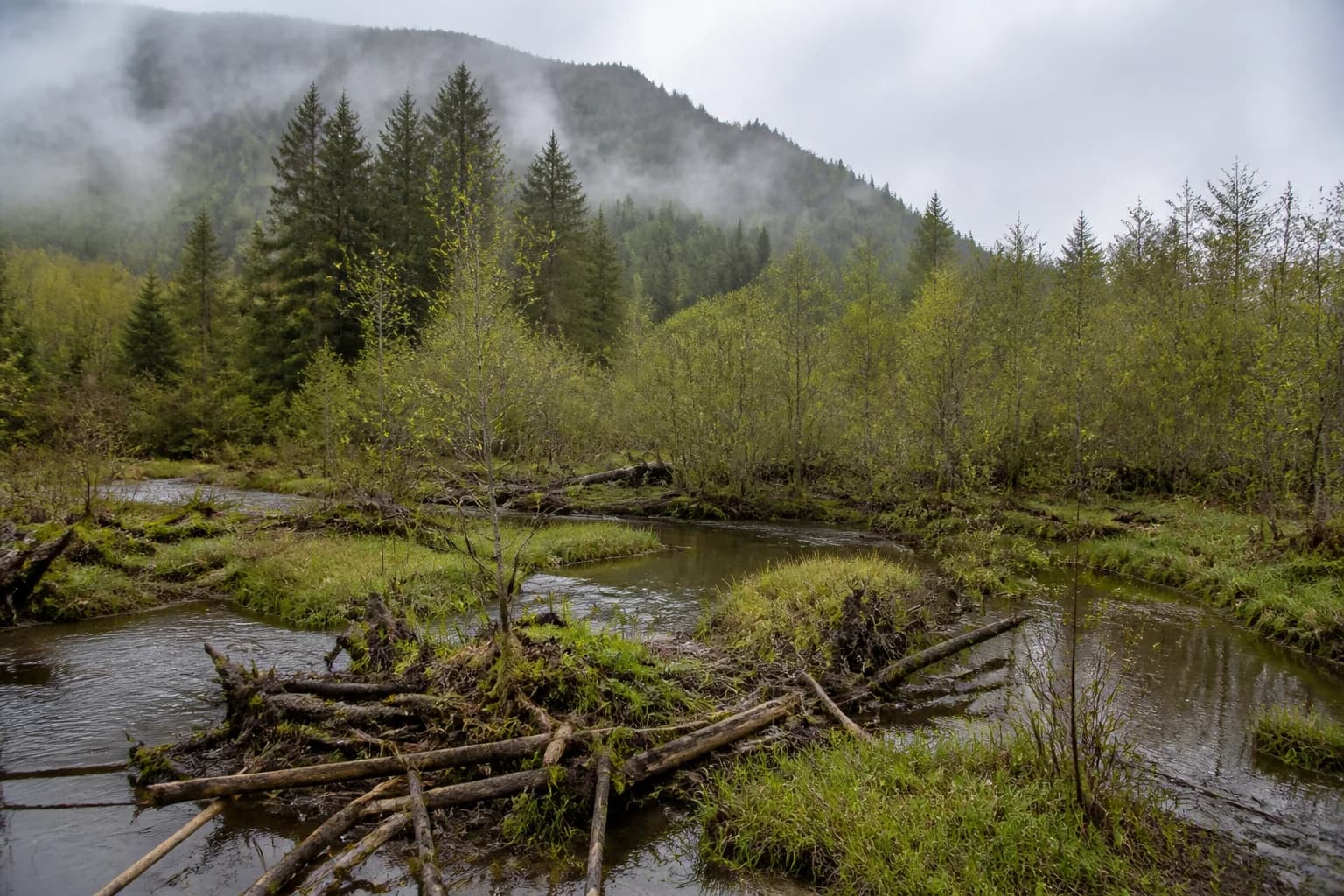
In June 2026, BC Times reported a sweeping cross-border initiative to expand nature-based climate adaptation strategies across British Columbia and the Pacific Northwest. The plan, coordinated by provincial and regional agencies, Indigenous communities, and academic partners, aims to scale nature-based solutions—ranging from urban tree canopy expansion to coastal wetlands restoration and green infrastructure in flood-prone urban areas. The move signals a concerted effort to align climate resilience with biodiversity protection and community well-being across a complex, interconnected region. The report notes that this cross-border effort is being shaped by ongoing programs at the provincial, state, and federal levels that view Nature-based Solutions as central to reducing heat stress, managing flood risk, and supporting sustainable economic activity in coastal and inland communities. (bctimes.ca)
The broader political and policy context matters for how this initiative unfolds. The April 2026 refresh of Canada’s Nature Strategy reinforced commitments to nature-based approaches as a core component of national climate and biodiversity objectives, which local and regional actors say helps unlock new funding streams and cross-jurisdiction collaboration. In practice, that alignment could streamline approvals, data sharing, and technical support for NbS projects across the BC coast and throughout the Pacific Northwest. (bctimes.ca)
Industry and policy experts interviewed by BC Times emphasize that the cross-border push could reshape public investment choices, spur private-sector partnerships, and influence municipal and regional planning processes. The Pacific Northwest—spanning British Columbia’s southern neighbor to Washington and Oregon—has become a focal point for natural climate solutions research, pilot projects, and policies designed to combine climate mitigation with adaptation. Analysts point to a growing body of peer‑reviewed work and practitioner-led case studies that highlight both the technical feasibility and the economic benefits of NbS when scaled appropriately. (frontiersin.org)
What Happened
Announcement Details
The current wave of NbS activity in the BC–Pacific Northwest corridor is anchored by a suite of cross‑border announcements and ongoing programs that a broad coalition is coordinating. BC Times identifies key sources and programmatic signals that are informing the initiative, including the British Columbia Disaster Resilience and Innovation Funding program, Canada’s Pacific Salmon Strategy Initiative, and regional NbS platforms and university programs that are actively shaping implementation on the ground. These components collectively illustrate a pattern of public investment moving toward nature-based approaches as a complement to engineered solutions. The reporting emphasizes that the cross-border effort is built on existing, publicly funded programs rather than a single, isolated project. (bctimes.ca)
Timeline
The events and policy signals surrounding Nature-based climate adaptation across BC and the Pacific Northwest have evolved over the past year and a half, with several milestone moments highlighted by provincial and regional authorities. In April 2026, Canada’s Nature Strategy was refreshed to elevate NbS as a core climate and biodiversity tool, providing a clearer national framework for provincial and state actions in the region. The Province of British Columbia has continued to publish guidance and resources to support NbS planning at the regional and municipal levels, including ongoing engagement with Indigenous Nations and local governments. Washington and Oregon have likewise advanced NbS-oriented initiatives—ranging from coastal resilience planning to urban forest programs—that are cited as templates or catalysts for cross-border replication. While exact project counts and dollar figures vary by jurisdiction, the cadence of activity—policy refreshes, cross-border collaboration events, and program rollouts—appears to have accelerated through 2025 and into 2026. (bctimes.ca)
Key Facts
Several salient facts underpin the emerging cross-border NbS landscape in this region:
- Nature-based solutions encompass forests, wetlands, rain gardens, and green roofs as mechanisms to increase resilience, capture carbon, and improve water quality. Local universities and think tanks highlight a broad suite of NbS options that cities and regional authorities can deploy depending on risk profiles and budgets. (sfu.ca)
- The Regional Adaptation Collaborative (RAC) within British Columbia coordinates a network of collaborative projects across the province to support decision-making on water allocation, forest and watershed management, flood protection, and related community planning efforts. This provincial framework is referenced as a backbone for NbS deployment at scale. (www2.gov.bc.ca)
- Across the border in Oregon, the Natural and Working Lands (NWL) Program is designed to expand capacity for habitat restoration practitioners working to boost climate resilience, carbon sequestration, and ecosystem health, illustrating a concrete state-level commitment to NbS as a central strategy. (dfw.state.or.us)
- Recent advances in natural climate solutions research emphasize the spatial distribution and local performance of NbS in the Pacific Northwest, including forest carbon dynamics and land-use patterns that influence both mitigation and adaptation outcomes. Peer-reviewed work in Frontiers in Climate and related journals provides methodological insights that practitioners are applying to NbS planning in the region. (frontiersin.org)
Why It Matters
Impact on Communities

Photo by Bailey Zindel on Unsplash
The cross-border NbS push is expected to affect urban and rural communities across the BC–Pacific Northwest corridor in multiple ways. First, nature-based approaches offer a portfolio of heat mitigation, flood management, and ecosystem services that can reduce the vulnerability of vulnerable populations during extreme weather events. Open-access research on natural climate solutions in the Pacific Northwest highlights the potential for NbS to complement hard infrastructure, with co-benefits such as biodiversity gains, water filtration, and mental and physical health improvements for residents during heat waves and flood episodes. The practical takeaway for policymakers and practitioners is that NbS can be a cost-effective, multi-benefit complement to traditional engineering approaches when deployed with careful planning and monitoring. (journals.plos.org)
Second, the cross-border dimension meaningfully expands opportunities for knowledge transfer and shared data dashboards that track performance across jurisdictions. Forest restoration, wetland rehabilitation, and urban greening projects can benefit from harmonized metrics and shared monitoring protocols, enabling more accurate assessments of carbon sequestration, resilience benefits, and long-term maintenance costs. Peer-reviewed studies and cross‑jurisdiction programs underscore the value of standardized indicators, transparent reporting, and collaborative governance models to enable reliable scale-up. (nature.com)
Third, NbS adoption intersects with Indigenous-led stewardship and local governance, a dimension repeatedly highlighted by provincial programs and university researchers. The BC adaptation strategy and related resources emphasize collaboration with Indigenous Nations as a cornerstone of effective NbS implementation, recognizing traditional knowledge alongside Western science to tailor projects to local ecologies and cultural priorities. This collaborative approach can influence project design, permitting timelines, and community acceptance—critical factors in the success or failure of resilience investments. (www2.gov.bc.ca)
Economic and Market Implications
Economically, NbS initiatives contribute to a broader resilience economy that includes green jobs, sustainable forestry practices, and urban design that prioritizes climate adaptation. In the Pacific Northwest, studies and industry reporting point to the potential for NbS to yield long-term cost savings by reducing flood damages, lowering cooling costs in heat-prone urban cores, and preserving ecosystem services that support fisheries, tourism, and recreation. Industry observers highlight that while upfront costs for NbS can be lower than traditional hard infrastructure in some contexts, the true economic value emerges through long-term risk reduction and co-benefits such as improved public health and job creation in local green sectors. (journals.plos.org)
Oregon and Washington have begun cataloging and funding NbS projects through state programs and philanthropic partnerships that emphasize scalable restoration and carbon benefits. For example, beaver-based restoration and tidal forest conservation are among the initiatives cited as high-potential NbS strategies for watershed resilience and climate mitigation, illustrating a trend toward nature-based investments that can be paired with performance metrics and carbon accounting. These initiatives reflect a broader regional push to quantify NbS benefits and to align them with climate action plans and market mechanisms. (allenphilanthropies.org)
Policy Context
The policy environment in British Columbia, along with the broader Pacific Northwest, supports NbS as a core climate adaptation and biodiversity strategy. The British Columbia Climate Preparedness and Adaptation Strategy provides the policy scaffolding for NbS deployment, including guidance on regional planning, risk assessment, and collaboration with local governments and Indigenous communities. The province also maintains a range of tools and resources to support climate preparedness efforts, from regional data sharing to capacity-building resources for municipalities and First Nations. This policy backdrop is essential for creating predictable funding streams, enabling cross-border coordination, and standardizing reporting on NbS outcomes. (www2.gov.bc.ca)
Across the border, peer-reviewed studies and policy programs in the Pacific Northwest highlight NbS as a critical component of regional climate resilience. The Northwest’s climate science and adaptation centers, along with state-level initiatives, emphasize the integration of nature-based approaches into planning for urban growth, coastal protection, and watershed management. This alignment across scientific research, policy, and on-the-ground practice helps translate NbS concepts into tangible actions with measurable resilience benefits. (frontiersin.org)
What's Next
Upcoming Milestones
Looking ahead, observers expect several milestones that could shape the trajectory of Nature-based Climate Adaptation Across BC and the Pacific Northwest. First, cross-border collaboration activities are likely to intensify as provincial and state agencies finalize joint work plans that specify NbS project pipelines, funding allocations, and performance metrics. In parallel, Canada’s Nature Strategy refresh and related policy work are likely to unlock new funding streams and project prioritization criteria that favor NbS pilots with demonstrated climate-and-biodiversity co-benefits. The June–July 2026 period is anticipated to feature announcements around joint funding opportunities, collaborative monitoring frameworks, and knowledge-sharing events among governments, universities, and Indigenous communities. (bctimes.ca)
Second, regional academic and practitioner platforms will continue to publish practical guidance on NbS design, measurement, and governance. Journals and research centers in the Pacific Northwest are actively documenting best practices for forest and wetland restoration, urban green infrastructure, and coastal resilience—providing a shared evidence base to inform policy, procurement, and community engagement. This ongoing research supports the real-time decision-making required to scale NbS in both BC and nearby U.S. jurisdictions. (frontiersin.org)
What to Watch For
Several signals will help readers gauge how quickly NbS adoption is accelerating across the region:
- Cross-border governance: watch for formal agreements or memoranda of understanding that streamline permitting, data sharing, and cost-sharing for NbS projects that cross the provincial–state boundary. The reporting around Canada’s Nature Strategy and provincial adaptation tools suggests a push toward more integrated planning processes, though actual agreement details will matter for implementation speed. (bctimes.ca)
- Funding allocations: new funding rounds dedicated to NbS—whether for coastal resilience, urban heat mitigation, or watershed restoration—will indicate where authorities expect the highest climate resilience returns. The BC programmatic context and U.S. state programs provide a framework for these allocations, but the precise amounts and project scopes will determine near-term activity levels. (www2.gov.bc.ca)
- Measuring and reporting: the adoption of standardized metrics for NbS performance—carbon sequestration, flood reduction, heat mitigation, and co-benefits—will influence investor confidence and private-sector participation. Peer-reviewed studies and cross-border pilot programs underscore the importance of robust monitoring, which will become increasingly visible in annual reports and funder dashboards. (nature.com)
- Sector-specific pilots: expect to see NbS pilots tailored to high-risk sectors such as urban heat management in metropolitan cores, coastal protection for small communities along the coast, and watershed restoration to support fisheries and hydropower reliability. The Pacific Northwest context already shows a mix of urban forestry, wetland restoration, and coastal habitat projects as viable NbS pathways. (journals.plos.org)
Closing
The momentum around Nature-based Climate Adaptation Across BC and the Pacific Northwest reflects a growing consensus that climate resilience requires a diversified toolkit. NbS—encompassing trees and forests, wetlands, and green infrastructure—offers a portfolio of benefits that can reduce extreme weather risks while supporting biodiversity and local economies. With policy signals, cross-border collaboration, and targeted funding aligning across multiple jurisdictions, the region appears positioned to translate NbS concepts into durable, scalable resilience outcomes for communities from Metro Vancouver to coastal towns in Oregon and Washington.
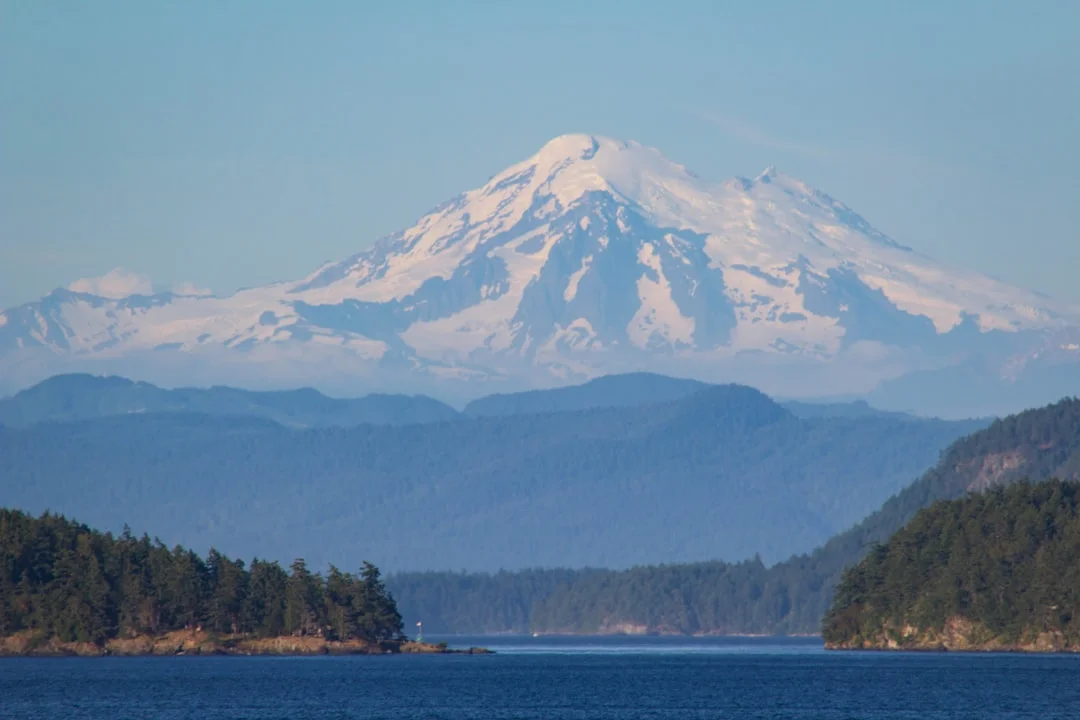
Photo by Ryan Stone on Unsplash
As BC Times continues to monitor policy developments, funding announcements, and on-the-ground outcomes, readers can expect a steady stream of updates that illuminate both the opportunities and challenges of implementing Nature-based Climate Adaptation Across BC and the Pacific Northwest. For ongoing coverage, stay tuned to BC Times and review open-source policy documents, peer-reviewed studies, and regional program updates that shed light on how NbS are shaping the climate resilience landscape in this dynamic region.