News
Pete Fry Vancouver Mayor Sworn in
Pete Fry, as Vancouver's new mayor, ushers in a data-driven transition, revolutionizing governance and enhancing decision-making for the city.
By Nina Kowalski · November 10, 2026 · 13 min read
 By Nina Kowalski · November 10, 2026 · 13 min read
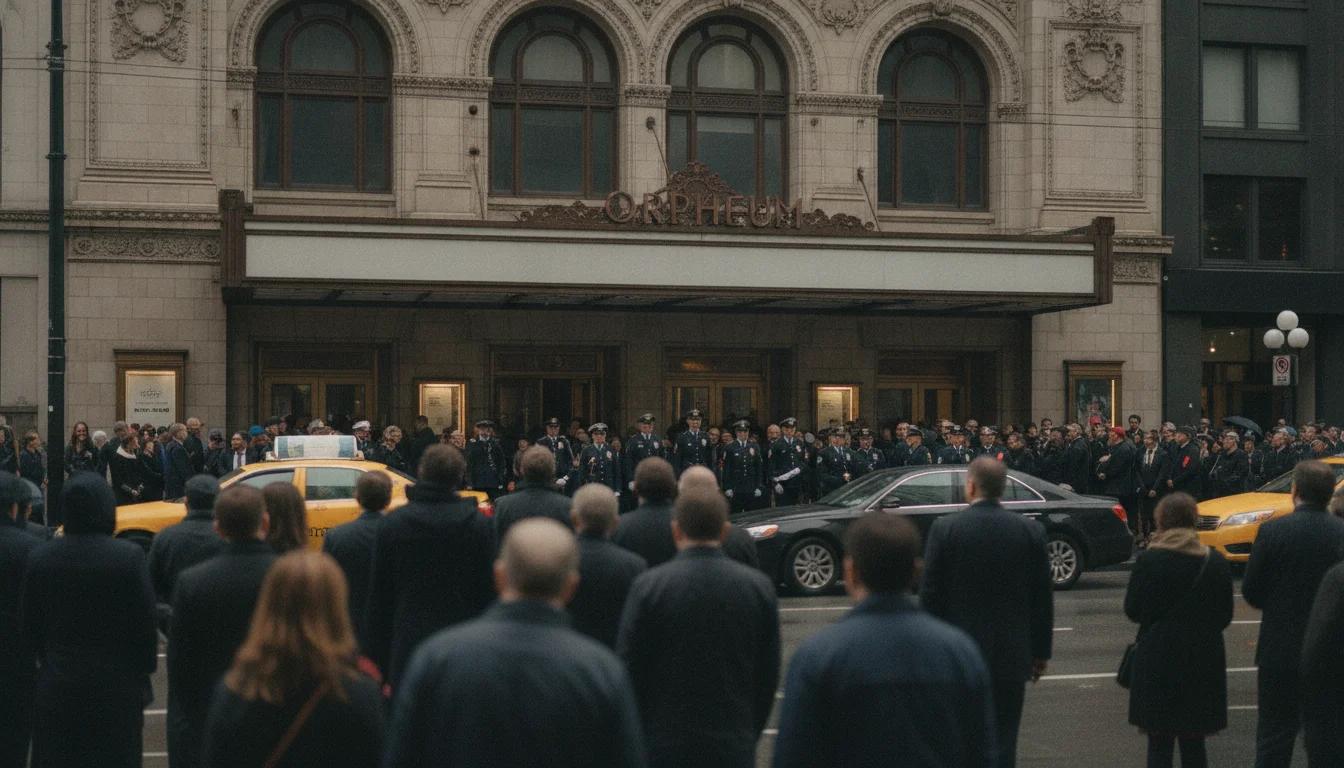
Pete Fry has made history in Vancouver politics, taking office as the city’s mayor at the start of a new four-year term. The 2026 municipal election culminated in Fry’s victory on October 17, 2026, with official results confirming the win later that month. Vancouver voters chose Fry as their 42nd mayor, signaling a potential shift toward a more data-driven, tech-friendly agenda in city hall. The election, the results, and the inaugural ceremony are all now part of the city’s public record, and observers will be watching how Fry translates campaign promises into policy across Vancouver’s dynamic technology and market landscape. Pete Fry Vancouver mayor is now a headline that local and regional policymakers, business leaders, and residents will scrutinize as the city pursues a tech-forward economic strategy.
Pete Fry’s ascent to the mayoralty was confirmed by Vancouver’s official election results, released on October 21, 2026. The city’s tally shows Fry, representing the Green Party of Vancouver, with 98,748 votes for the mayoral contest, a figure that accompanied the broader slate of results declaring winners for council, park board, and school trustees. The city also reported a turnout of 43.4% after 209,711 ballots were cast. This transition culminated in Fry’s inauguration on November 2, 2026, at the Orpheum Theatre, where the mayor and council were sworn into office to serve through 2030. The event underscored Vancouver’s commitment to transparent governance and public accountability as a baseline for the new administration. The inauguration marks the formal entry of Pete Fry Vancouver mayor into the city’s executive leadership. (vancouver.ca)
What Happened
Election Night Outcome
Pete Fry’s candidacy dominated Vancouver’s 2026 mayoral race, culminating in a decisive victory over incumbent Ken Sim. On October 17, 2026, Fry led Sim in the race, delivering a victory that party organizers described as a “commanding” win for Fry and the Green Party of Vancouver. The coverage highlighted Fry’s growing momentum as precincts reported, with Fry’s campaign presenting a unified front in the late stages of the campaign. By the time the election night was wrapped, Fry had built a substantial lead that helped cement his status as the city’s next mayor. This result was widely reported by local outlets and was the subject of post-election analysis across Vancouver’s political and business communities. For reference, the election night reporting placed Fry ahead by a wide margin as results came in, with Fry’s campaign ultimately translating into a mayoral victory that night. (vancouver.citynews.ca)
Official Results Declared
In the official declaration, the City of Vancouver confirmed the mayoral winner: FRY, Pete – GREEN: 98,748 votes. The October 21, 2026 release details this tally in the formal election results, alongside the list of successful candidates for city council, park board, and school trustees. The results also emphasize a notable capital planning question that Vancouver voters addressed on the same ballot, including a measure to borrow funds for the 2027-2030 Capital Plan. The declaration shows the breadth of the municipal ballot beyond the mayor’s race and underlines Vancouver’s broader voter engagement in 2026. The city’s turnout data—209,711 ballots cast, representing 43.4% of the 483,324 registered voters—provides context for the scale of participation in this election. This official documentation establishes the numerical basis for Fry’s victory and the city’s subsequent governance transition. (vancouver.ca)
An independent, contemporaneous report from CityNews corroborated the election-night dynamics, noting Fry’s win over Ken Sim and describing Fry’s victory as a “commanding” result. The coverage also highlighted Fry’s campaign emphasis on affordable housing, transportation, sustainable growth, and open data-driven governance. The reporting captured the atmosphere of election night, including the moment Fry declared victory to supporters and the reactions from Sim and other candidates. The night underscored Vancouver’s appetite for policy change and a shift in leadership style that would prioritize data-informed decision-making and transparent governance. (vancouver.citynews.ca)
Inauguration and Early Vigilance
The official inauguration of Pete Fry as Vancouver’s 42nd mayor occurred on November 2, 2026, at the Orpheum Theatre, where Fry and the ten newly elected councilors took oaths of office. The ceremony featured remarks from Fry and tributes from local dignitaries and community leaders, signaling the formal dawn of a new municipal governance era. City records emphasize that the mayor and council will serve a four-year term, establishing the framework for Vancouver’s policy agenda through 2030. This inauguration is a key milestone that confirms the transition from campaign messaging to governance, enabling the administration to begin implementing priorities and programmatic initiatives. (vancouver.ca)
The Transition Window
The period between the October 17, 2026 election night and the November 2, 2026 inauguration is a 16-day window. This short transition interval has practical implications for policy handoffs, budget planning, and the start of program implementation. The election-night date is reported by CityNews on October 17, 2026, and the inauguration date is documented by the City of Vancouver’s official inauguration announcement on November 2, 2026. The combination of these two official timestamps provides a concrete metric for evaluating the pace and readiness of the new administration as it moves from campaign commitments to formal governance. This transition window is a data point that observers can track to gauge how quickly Fry’s team translates campaign pledges into city actions. (vancouver.citynews.ca)
A Data-Driven Governance Narrative Emerges
The election of Pete Fry Vancouver mayor has immediate symbolic value: it marks Vancouver’s first Green Party leadership at the city scale, a fact that intersects with the city’s long-running emphasis on sustainability, urban innovation, and data-driven governance. Vancouver’s municipal data initiatives, open-data portals, and plans for transparent budgeting provide a foundation on which Fry’s administration can build. The City of Vancouver maintains an Open Data Portal and data resources designed to empower developers, researchers, and residents to analyze city services, budgets, and performance metrics. This data ecosystem can serve as a conduit for Fry’s policy priorities, including more transparent budgeting and governance, performance dashboards for city services, and programs that leverage data to improve housing, transportation, and public safety decisions. (opendata.vancouver.ca)
Quote: Fry’s victory speech on election night highlighted his commitment to service and collaboration, signaling a pragmatic, data-informed approach to city governance. “Let’s get to work,” Fry told supporters, capturing the immediate mandate for action. (vancouver.citynews.ca)
An additional contextual frame comes from Vancouver’s broader tech-market landscape, where Vancouver remains a high-concentration hub for AI talent and tech activity. Analyses from CBRE place Vancouver among the top Canadian tech talent markets, underscoring how Fry’s administration could pair policy with a vibrant local tech economy. The city’s status as a tech hub aligns with Invest Vancouver’s 2026 plan that highlights Vancouver as a high-growth tech market, and with open-data initiatives that support digital-era city management. These market signals suggest that Fry’s administration could prioritize digital governance, data transparency, and infrastructure investments that help sustain Vancouver’s tech ecosystem. (cbre.com)
Why It Matters
Economic and Market Context for Vancouver's Tech Sector
Vancouver’s tech sector has been a pivotal driver of regional growth, with analysts highlighting strong momentum in AI-related talent, software development, and digital services. CBRE’s Scoring Tech Talent 2026 report notes that Vancouver is part of a Canadian market cluster with a significant concentration of AI talent, ranking high among North American markets for tech talent. The report also highlights that AI-specialty talent clusters are pronounced in major Canadian cities, with Vancouver contributing to Canada’s AI workforce capacity. Within this broader frame, Fry’s election aligns with a market reality in which municipal governance can influence business confidence, investment decisions, and the pace of technology-driven urban projects. (cbre.com)
From an economic-development perspective, Invest Vancouver’s 2026 annual plan positions the Metro Vancouver region as a high-growth tech engine, noting rapid growth in tech talent and related investment. The plan provides a backdrop for Fry’s potential policy emphasis on digital infrastructure, startup support, and smart-city initiatives that leverage municipal data assets. If Fry’s administration prioritizes tech-friendly governance and open data, Vancouver’s existing market advantages could translate into improved public services, more efficient permitting processes, and stronger public-private collaboration in technology and innovation projects. (investvancouver.ca)
Open Data, Digital Governance, and Public-Private Collaboration
Vancouver’s open-data and data-maps initiatives underpin a governance model that can benefit from Fry’s leadership. The City of Vancouver’s data programs, including the Open Data Portal and VanMap, facilitate a culture of transparency and public participation in city planning. Under Fry, there is a plausible pathway to expand data-driven budgeting, performance dashboards for key services (e.g., transit, housing, public safety), and more accessible public datasets to support research, entrepreneurship, and civic engagement. The alignment between a data-centric policy posture and Vancouver’s established data infrastructure could accelerate policy experimentation and measurement. (vancouver.ca)
Policy Thrusts That Could Shape Vancouver’s Market Environment
- Open data and transparency: The new administration could prioritize publishing budgetary and performance data in accessible formats, enabling independent analysis and civic accountability. Vancouver’s 2026 budget framework and related documentation provide a baseline for how data transparency can be scaled in the Fry era. (vancouver.ca)
- Infrastructure and housing: Fry’s platform has historically emphasized housing affordability and infrastructure renewal. The intersection with technology—digital permitting, smart infrastructure, and data-informed planning—holds potential to improve project delivery timelines and cost management. The city’s capital plan and borrowing questions framework, as well as related public-vote considerations, create a mechanism for funding and measuring progress on large-scale investments. (vancouver.ca)
- Transportation and urban mobility: A data-driven approach can refine how Vancouver plans and funds transit and street infrastructure, including bike networks and last-mile connectivity. This aligns with the city’s ongoing planning efforts and with broader market expectations for urban tech-enabled mobility. (vancouver.ca)
Mid-body takeaway: This election’s outcome places Fry’s Vancouver mayoralty in a position where policy, data, and market signals converge, potentially accelerating the city’s evolution toward a more transparent, tech-enabled model of urban governance. Analysts point to Vancouver’s robust tech-talent ecosystem and public data assets as levers that could amplify the impact of Fry’s administration on the city’s growth trajectory. The convergence of political leadership with Vancouver’s tech dynamics creates an environment in which data-driven policy could become a defining feature of municipal governance. (cbre.com)
Who It Affects and Why It Matters
- Local businesses and startups: A Fry administration that leans into open data and digital-first service delivery could streamline licensing, permits, and regulatory processes, reducing friction for startups and tech firms seeking to establish or expand operations in Vancouver.
- Residents and commuters: Data-driven decisions on housing, transit, and public space investments have direct implications for everyday life, affordability, and accessibility. The 2026 budget and capital-plan borrowing decisions will shape the city’s long-term ability to deliver essential services with accountability.
- Investors and talent: Vancouver’s status as a top tech talent market makes it a magnet for both domestic and international investment. A mayor who positions Vancouver as a transparent, data-driven city may enhance investor confidence and attract further tech-focused capital and talent. The combination of Fry’s leadership and Vancouver’s existing market strengths could influence how quickly new projects move from planning to completion. (cbre.com)
What This Means for Vancouver’s Technology and Market Landscape
The Fry era could intersect with several ongoing market trends in Vancouver:
- Continued AI and software talent concentration: Vancouver is among the top Canadian markets for AI talent, with a growing ecosystem that includes startups and multinational tech players. Fry’s governance approach could support a policy environment that sustains this ecosystem, including data access, entrepreneurship support, and digital-government services. (cbre.com)
- Open data as a competitive differentiator: Open data and transparent budgeting can differentiate Vancouver as a city that couples innovation with accountability, potentially attracting more public-private coordination around digital infrastructure and smart-city initiatives. The City of Vancouver’s data portals provide a foundation for this strategy. (opendata.vancouver.ca)
- Urban infrastructure investment and market cycles: Vancouver’s capital-plan borrowing and infrastructure investment decisions have the potential to drive construction activity, job creation, and technology adoption within municipal projects, aligning with market signals around growth and urban development. (vancouver.ca)
What’s Next
Immediate Steps in Fry’s First 100 Days
- Budget and fiscal planning: Fry’s administration will begin shaping the 2027 budget, balancing housing, transit, public safety, and climate initiatives with a data-driven lens. The city’s 2026 budget and capital plan framework provide a starting point for what to watch next as the new mayoral term unfolds. (vancouver.ca)
- Data governance and transparency initiatives: Expect the administration to articulate a clear plan for expanding open data access, dashboards, and performance metrics that enable residents and businesses to track city performance in real time.
- Stakeholder engagement and collaboration: With a transition focused on cross-partisan collaboration in a council that features multiple parties, Fry will likely initiate formal engagement processes with industry groups, universities, and tech associations to align policy with Vancouver’s market realities.
One liftable sentence: Fry’s victory and subsequent inauguration place Vancouver on a path toward greater data-driven governance, anchored by a robust open-data framework and a growing tech-talent ecosystem. According to official 2026 election results, Fry captured 98,748 votes for the mayoralty, supporting a mandate that coincides with Vancouver’s open-data and digital-governance aspirations. This framing is grounded in the City of Vancouver’s official results published October 21, 2026. (vancouver.ca)
Potential Policy Levers and Milestones
- Open data expansion: The Fry administration could advance publish-and-monitor programs that increase the granularity and timeliness of city data, boosting transparency and enabling external analytics that inform public debate and private investment. The city’s existing data platforms and open-data portal will likely serve as the backbone for such efforts. (vancouver.ca)
- Smart infrastructure and housing: A data-driven approach to infrastructure financing and housing policy could help Vancouver manage growth more efficiently while addressing affordability and mobility challenges. The 2026 capital plan’s borrowing questions provide a mechanism to fund large-scale projects that align with tech-enabled solutions. (vancouver.ca)
- Collaboration with the tech sector: Fry’s administration could prioritize public-private collaboration, leveraging Vancouver’s status as a leading tech talent hub to accelerate pilot programs, urban innovations, and talent pipelines that support municipal objectives. The city’s market context, as described in industry analyses, supports a policy environment where such collaboration can bear fruit. (cbre.com)
Timeline and Milestones to Watch
- November 2026: The inauguration is completed, marking the formal start of Fry’s term as Vancouver mayor. The inauguration date is November 2, 2026. (vancouver.ca)
- Early 2027: Budget adoption and initial policy rollouts, including open-data enhancements and initial infrastructure programs. Budgetary documents from 2026 provide context for what to monitor in the first year of Fry’s tenure. (vancouver.ca)
- 2027–2030: Implementation of capital projects tied to the 2027-2030 plan, with potential updates to financing and performance metrics as data becomes available through city dashboards. The capital plan borrowing framework and related public-vote questions are key indicators of the administration’s fiscal approach. (vancouver.ca)
What Stakeholders Should Watch
- Residents should monitor how Fry’s administration translates campaign promises into concrete services, including housing and transit improvements, with a focus on cost containment and transparency.
- Tech companies and startups should watch for streamlined permitting, access to city data, and collaboration opportunities that can accelerate pilots and-scale initiatives in urban tech and smart-city deployments.
- Civic scholars and journalists will look for measurable outcomes in open data accessibility, budget transparency, and governance performance metrics as the Fry era unfolds.
What’s Next for the Vancouver Market
Vancouver’s tech ecosystem remains a central driver of economic activity, with studies showing sustained strength in AI talent and software development. As Fry settles into office, the market will be watching to see how municipal policy supports or accelerates this ecosystem’s growth, while ensuring that data-driven governance remains accessible and accountable to residents. The city’s ongoing open-data initiatives and investment plans provide a favorable backdrop for policy experimentation that can benefit both the tech sector and the public at large. (cbre.com)
Closing
The 2026 Vancouver mayoral race brought Pete Fry into city leadership, and the subsequent inauguration confirmed the start of a new governance era grounded in data-driven decision-making. As Vancouver embarks on Fry’s term, the alignment between political leadership, open-data infrastructure, and a thriving tech market offers a unique opportunity to reimagine municipal services through an evidence-based lens. The coming months will reveal how Fry translates the campaign’s promises into policy and how the city’s data assets—already central to Vancouver’s civic toolkit—will help measure progress and keep the public apprised of results.
For readers seeking ongoing updates, Vancouver’s official election and inauguration pages provide primary, verifiable records of the events and milestones described above. CityNews coverage offers contemporaneous reporting on election night and inauguration moments, while the City of Vancouver’s budget and data portals supply the data backbone for assessing the administration’s performance as the new era of Pete Fry Vancouver mayor unfolds. (vancouver.ca)