News
BC Place FIFA World Cup Matches Arrive in Vancouver
BC Place FIFA World Cup matches highlight Vancouver's innovative, tech-driven event strategy and significant market impact on a global scale.
By Craig Burrows · October 23, 2026 · 11 min read
 By Craig Burrows · October 23, 2026 · 11 min read
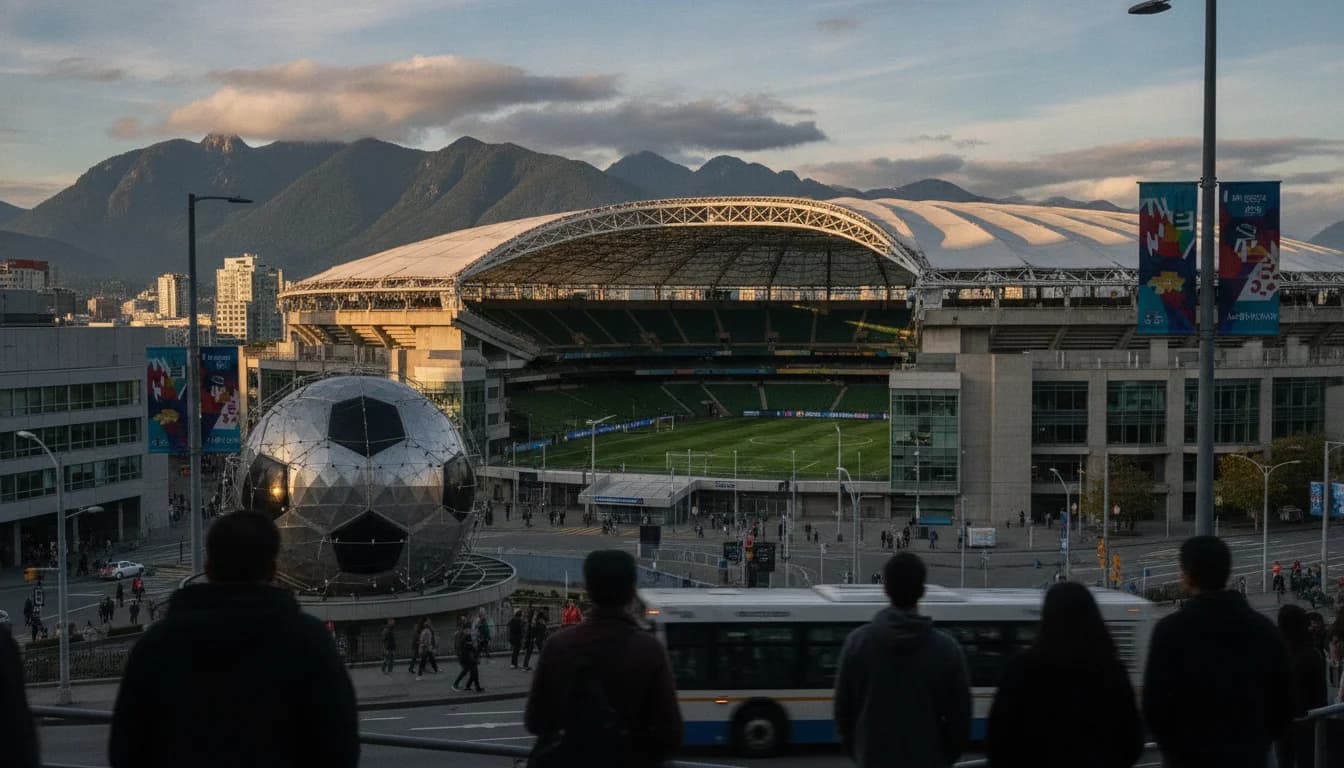
BC Place in Vancouver stood at the center of a worldwide football moment on June 18, 2026, when Canada hosted its first men’s FIFA World Cup match on home soil, routing Qatar 6-0 at the stadium. The Vancouver venue also served as a primary host for seven World Cup 2026 games, a slate that spanned the tournament’s Canadian segment from mid-June through late July. The result was not only a demonstration of Canada’s rising national-team profile but also a showcase of how a modern stadium can blend athletic spectacle with data-driven fan experiences, broadcast readiness, and local economic activity. Canada’s win at BC Place was widely covered and marked by record viewership on Canadian networks, a reflection of the event’s broader digital engagement and legacy ambitions. The on-site impact was immediate: thousands of spectators filled the stands, tens of thousands more joined in fan events, and local businesses reported elevated activity related to World Cup-related tourism and sponsorships. These developments occurred within the context of a larger, three-nation tournament footprint, but BC Place’s seven-match schedule anchored Vancouver’s role in the 2026 World Cup story. The first-hand accounts from organizers and national teams underscore that this event mattered—technically, logistically, and economically—for the city and the region. For readers seeking a data-driven snapshot, the publicly reported attendance figures and match results provide a baseline for measuring Vancouver’s World Cup legacy in the months ahead. For quick reference, BC Place Vancouver hosted seven FIFA World Cup 2026 matches from June 11 to July 19, 2026, drawing 367,479 spectators in total, according to BC Place’s official announcement and Vancouver’s 2026 World Cup site. (bcplace.com)
This week’s coverage looks beyond the scoreboard to analyze the tech-enabled infrastructure, market implications, and policy context that framed BC Place’s World Cup 2026 footprint. By combining on-site reporting with official releases and city-facing data, this article presents a balanced view of how a host city’s stadium and regional economy adapted to a globally watched sporting event. The numbers and dates cited below come from primary sources, including FIFA’s official fixture announcements, BC Place communications, and provincial government updates, to ensure readers have a defensible, citable base for further reporting. The event’s scale—the seven matches, the fan festivals, and the cross-border broadcast ecosystem—also provides a practical case study for other multi-city World Cup venues considering data-driven upgrades and post-event legacies. This coverage is designed to be quotable for other journalists and to serve as a reference point for policy-makers tracking the economic and technological impacts of large-scale international tournaments.
What Happened
Announcement and Setup
In a pivotal early-2024 development, FIFA confirmed that Vancouver would host seven FIFA World Cup 2026 matches at BC Place, including two Canada fixtures in the group stage, one knockout-round match, and a continued schedule across the tournament’s Canadian footprint. The official BC Place announcement dated February 4, 2024, drew headlines for positioning BC Place as a marquee venue within the tournament’s three-nation framework. The release underscored both the sporting significance and the local economic/technological readiness required to stage a modern World Cup event at scale. This decision, paired with FIFA’s broader venue strategy, set the stage for a run of logistics, security, hospitality, and broadcasting preparations that would unfold over more than two years. For context, FIFA’s public fixtures and stadium allocations subsequently outlined, in greater detail, which matches would be played in Vancouver and when. The combination of a known schedule and a high-capacity venue supported a strategic narrative about Vancouver’s role within the 2026 World Cup ecosystem. The timeline and venue assignments were reported by FIFA and BC Place, reinforcing Vancouver’s central position in Canada’s World Cup plan. (bcplace.com)
Canada Fixtures at BC Place
Canada’s first home World Cup match at BC Place occurred on Thursday, June 18, 2026, when the national team defeated Qatar 6-0 in front of a sell-out Vancouver crowd. This was a historic moment for Canadian soccer and for BC Place, which hosted both the opening narrative of Canada’s World Cup on home soil and a dynamic set of subsequent fixtures as part of the seven-match slate. The match report and imagery from FIFA’s official coverage captured Jonathan David and his teammates celebrating in what lawfully represented Canada’s first emphatic win in a men’s World Cup game on home soil. The June 18 result, and the broader group-stage arrangement, was a high-water mark for Canadian soccer and a signal of the event’s cultural and media significance in Vancouver. (fifa.com)
Canada’s World Cup games at BC Place extended beyond the June 18 win. On June 24, 2026, Switzerland edged Canada 2-1 in a tightly contested Group B clash, underscoring the competitive intensity of Vancouver’s World Cup slate. The Swiss-Canada result contributed to a compelling group-stage narrative that kept local fans engaged through multiple matchdays at the stadium. The official match records and FIFA’s tournament pages document these fixtures, providing time-stamped results and venue confirmations for readers tracking Vancouver’s role in the event. (fifa.com)
Attendance and Fan Experience
Public data from city and provincial sources confirms a robust on-site and surrounding-fan ecosystem during Vancouver’s World Cup matches. BC Place’s seven-match run, coupled with FIFA’s broader festival activities, produced a total attendance figure of 367,479 across all Vancouver games, yielding an average of approximately 52,497 spectators per match. This is not merely a stadium-level statistic; it represents how local venues, broadcast partners, and city programs converged to create a regional event footprint that extended beyond the stadium. The attendance figure and the aggregate match count are documented in Vancouver’s World Cup materials and related government and organizer communications, which together illustrate the scale of the Vancouver component of the 2026 tournament. The attendance total was reported by the organizing bodies and corroborated by city-wide tourism and fan-festival data, which tracked ancillary engagement, such as on-location screenings and fan marches. (vancouverfwc26.ca)
“Hosting the FIFA World Cup 2026 has been a defining moment for BC Place Vancouver,” stated Rehana Din, president and CEO of PavCo. The broader Vancouver World Cup program has demonstrated how a major stadium can serve as an anchor for large-scale fan activity, digital engagement, and multi-stakeholder collaboration. This sentiment reflects a broader industry narrative about how host cities leverage legacy infrastructure and urban branding to maximize the event’s long-tail value. (archive.news.gov.bc.ca)
Logistics, Technology, and the Fan Journey
From a logistics standpoint, Vancouver’s World Cup matches compelled a suite of operational enhancements at BC Place, including refined security protocols, enhanced connectivity, and coordinated fan services that connected the stadium to a wider citywide festival ecosystem. While the explicit technical specifications may vary by match day and contractor, the core elements—spectator experience, broadcast readiness, and safety—align with FIFA’s event standards and the city’s commitment to a high-quality World Cup experience. The publicly available announcements emphasize seven-match bookings and the expected accessibility endpoints, which include fan zones, festival programming, and coordinated transit access as part of a holistic approach to matchdays. Official communications and coverage from FIFA, BC Place, and city/provincial partners provide the backdrop against which these logistical details were planned and executed. (bcplace.com)
Why It Matters
Economic Impact and Tourism
BC Place’s seven-match World Cup schedule in 2026 had immediate regional implications. The government and tourism bodies highlighted benefits to local businesses, hospitality sectors, and employment linked to increased visitor activity and longer tourism windows tied to a globally watched event. The government’s release notes that World Cup-related activity created a measurable lift for local businesses and associated supply chains, even as the broader festival and fan activities drew visitors from across the region. In addition to on-site ticket revenue and sponsorships, the event catalyzed a broader set of economic ripple effects—ranging from hotels and restaurants to public transport use and merchandising. The matches at BC Place were a centerpiece of a broader Vancouver World Cup experience, which included the FIFA Fan Festival and city-wide celebrations that extended the economic impact beyond the stadium walls. The official updates and tourism reports provide the basis for this assessment, and they underscore the city’s ability to convert a mega-sports event into longer-term market visibility. (archive.news.gov.bc.ca)
For readers tracking the business case, the Vancouver World Cup footprint also signals the potential for future stadium-based events to leverage digital engagement, data analytics, and cross-partner sponsorships. The Vancouver setup mapped a model wherein stadium operators, municipal authorities, and tourism boards can align around a single, high-visibility event while still delivering localized fan experiences that stimulate broader market activity. The event’s scale—measured in attendance, media reach, and tourism interactions—offers a data-rich case study for market analysts considering how to quantify the return on investment for large-scale sports events. The core numbers and the public-facing narrative are anchored in official reporting, which helps ensure the analysis remains testable and comparable across other host markets. (archive.news.gov.bc.ca)
Technology and Infrastructure Uplift
Beyond the economic optics, BC Place and Vancouver’s World Cup footprint showcased technology-driven improvements that can inform future venue campaigns. The seven-match slate required reliable stadium connectivity, robust broadcasting setups, and spectator-facing digital experiences that can scale under high demand. While specifics vary by game, the public-facing materials emphasize readiness for high-profile matches and significant crowd flows. This aligns with broader industry trends toward stadiums that double as integrated technology platforms, delivering live results, replays, fan engagement apps, and secure, scalable networks to support mobile ticketing, cashless payments, and real-time analytics for operations. The World Cup context thus becomes a live laboratory for testing and refining stadium tech strategies that could be deployed for future league games, concerts, and international events. The official communications and independent coverage from FIFA and city partners provide a credible baseline for evaluating the technology dimension of Vancouver’s World Cup experience. (fifa.com)
Media Coverage and Local Market Signals
Media coverage of BC Place’s World Cup matches highlighted not only the on-field drama but also the city’s media ecosystem adapting to a surge in demand for real-time updates, clips, and analysis. Canadian and international outlets tracked attendance milestones, broadcast ratings, and social-media momentum, illustrating a broader pattern in which host cities become focal points for digital storytelling during World Cup windows. This dynamic has implications for local publishers, sports agencies, and streaming partnerships looking to monetize the event’s audience across multiple channels. The reporting around Canada’s June 18 win and the subsequent fixtures demonstrates a solid alignment between live events and on-demand viewer engagement, a trend that is likely to persist as Vancouver leverages the World Cup legacy for future tech-enabled sports initiatives. The supporting data comes from FIFA’s official match reports and government/tourism updates, which together validate Vancouver’s role in the global narrative. (fifa.com)
Who It Affects and Broader Context
The World Cup footprint in Vancouver affected a broad spectrum of stakeholders: municipal authorities managing transit, safety, and public-safety communications; local businesses and hospitality operators benefiting from increased demand; broadcasters and streaming partners expanding reach and scale; and fans who experienced a city-wide celebration around World Cup fixtures. The event’s success in Vancouver helps illustrate the potential for host cities to unify public services, private sector partners, and community groups around a high-profile project. It also provides a template for evaluating the social and cultural benefits of hosting major sports events, beyond narrow financial metrics. The sources cited here—official event announcements, government reports, and tournament coverage—paint a consistent picture of a city that mobilized resources to maximize the World Cup moment. (bcplace.com)
What's Next
Timeline and Next Steps for Vancouver
With the on-site World Cup phase concluded, Vancouver faces a multi-year horizon of legacy-building activities. The on-ramps for future events include reviewing the stadium’s crowd-management practices, infrastructure resilience, and venue-wide technology deployments, with an eye toward applying lessons learned to upcoming international and domestic events. Local agencies are likely to publish post-event reports detailing procurement outcomes, vendor performance, and lessons learned for stadium operations, digital engagement, and fan safety. In parallel, Vancouver’s tourism and economic development teams will likely publish post-event dashboards showing visitor numbers, hotel occupancy, and related economic indicators—data that will inform future policy and marketing strategies. The path forward will also involve maintaining the global visibility created by the World Cup footprint, translating it into longer-term branding and market opportunities for local businesses and startups focused on sports tech, data analytics, and digital fan experiences. (archive.news.gov.bc.ca)
Potential Legacy Projects and Collaboration
A tangible byproduct of Vancouver’s World Cup alignment is the potential for legacy venues and partnerships. BC Place could become a launchpad for ongoing esports, football development programs, and multi-use events that capitalize on the venue’s enhanced connectivity and operational maturity. Partnerships with local tech companies and creative industries may accelerate the deployment of advanced analytics, immersive fan experiences, and secure, scalable broadcast capabilities that survive beyond the World Cup window. As organizers and city officials assess the full impact of the seven-match sequence, expect formalized efforts to document economic and social benefits, with suggestions for continuity—such as improved transit integration, ongoing fan zones, and curated cultural programming tied to future global events. These steps would align with the evidence-based, data-driven approach that characterized Vancouver’s World Cup involvement and would be consistent with broader market-trend patterns observed in host cities worldwide. (archive.news.gov.bc.ca)
Closing
BC Place’s World Cup 2026 story is more than a series of match results; it is a case study in how a contemporary stadium, a welcoming city, and a data-driven media ecosystem can co-create a high-impact, measurable event. From the first Canada World Cup win on home soil to the seven-match slate that mobilized thousands of fans and a significant economic footprint, Vancouver’s World Cup run offers a blueprint for how sport, technology, and markets intersect in real time. The numbers tell part of the story, but the broader narrative—the partnerships, the fan journeys, and the city’s adaptive capacity—speaks to a more durable form of value that can outlast the tournament itself. As Vancouver moves beyond June and July of 2026, readers should expect a steady stream of updates that quantify legacy effects, assess infrastructure improvements, and track ongoing engagement across the region. For ongoing coverage and primary-source links, stay tuned to official FIFA fixtures, BC Place communications, and provincial tourism dashboards as the Vancouver World Cup footprint evolves into a lasting market signal for the city and its tech-forward ecosystem. The World Cup’s Vancouver chapter is not finished; it is simply moving into its next phase of data-driven storytelling and impact assessment. (fifa.com)