News
BC Place Upgrades Ahead of World Cup
BC Place upgrades ahead of FIFA World Cup detailed in a comprehensive, data-driven briefing focusing on fan experience, cutting-edge technology, and legacy.
By Nina Kowalski · August 10, 2026 · 9 min read
 By Nina Kowalski · August 10, 2026 · 9 min read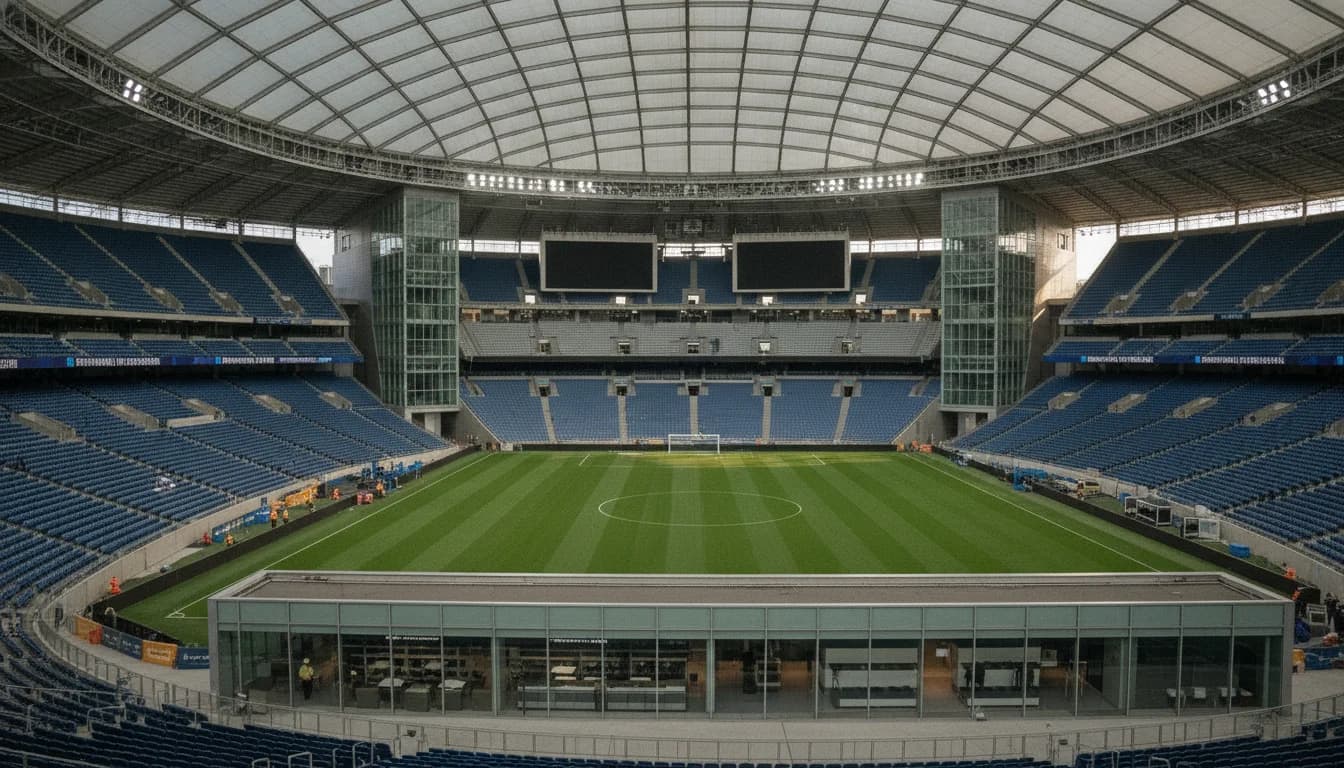
BC Place in Vancouver is positioning itself as a centerpiece of Canada’s 2026 FIFA World Cup footprint. As Vancouver prepares to host seven World Cup matches, officials announced a comprehensive package of upgrades designed to meet FIFA requirements, improve fan experience, and leave a lasting operational legacy for the venue. The announcements come as part of a broader capital plan managed by PavCo, with input from the Province of British Columbia and the City of Vancouver. The news is timely for sports audiences, infrastructure watchers, and businesses aligning around World Cup activity in a multi-city rollout across Canada, the United States, and Mexico. BC Place upgrades ahead of World Cup is not simply a short-term fix; it is framed as a strategic, long-term enhancement to stadium operations, accessibility, and digital connectivity for years to come. (archive.news.gov.bc.ca)
Beyond the immediate World Cup window, officials emphasize that the upgrades will improve day-to-day operations, hospitality, and safety standards for future events. The scale and scope—encompassing accessibility improvements, enhanced hospitality spaces, upgraded technology, and a modernized playing surface—reflect a concerted effort to align with FIFA expectations while delivering lasting benefits for fans and partners. In parallel, private-sector partners have begun rolling out adjacent improvements, including a significant upgrade to wireless connectivity in and around BC Place to support the influx of visitors and stadium operations during the event window. (inside.fifa.com)
Section 1: What Happened
Seven World Cup matches secured at BC Place
Vancouver is set to host seven FIFA World Cup 2026 matches at BC Place, reinforcing the city’s role in Canada’s portion of the tournament and underscoring the stadium’s importance in the multi-city event across North America. This allocation places BC Place among the key venues in the World Cup plan and elevates the stadium’s profile on a global stage. The decision was announced in synchronization with broader government and PavCo communications about venue readiness and legacy planning for the World Cup. (inside.fifa.com)
Upgrades unveiled and scope
The upgrades at BC Place have been described by official sources as a multi-faceted package designed to meet FIFA World Cup requirements and to deliver a long-term upgrade to stadium infrastructure. The core components include:
- Accessibility improvements, such as enhanced washrooms, elevators, and barrier-free access points to improve all-ability attendance and overall fan experience. (inside.fifa.com)
- New hospitality spaces and upgraded suites to expand premium seating and catering capabilities for event days and ongoing operations. (inside.fifa.com)
- Upgraded technology across security, video, and connectivity, including enhanced CCTV and Wi‑Fi to support operations, safety, and fan engagement. (docs.openinfo.gov.bc.ca)
- A new or upgraded playing surface described as a hybrid grass pitch, aimed at balancing performance with durability for a heavy schedule of events. (inside.fifa.com)
- Energy-efficient high-mast lighting and improved drainage and irrigation as part of a broader modernization to support both day-to-day use and large-scale events. (bcbudget.gov.bc.ca)
Taken together, these components reflect a comprehensive capital program intended not only to deliver a world-class World Cup venue but also to improve day-to-day operations for the Whitecaps, the Lions, and other events that use BC Place throughout the year. The upgrades are framed as a legacy initiative that will extend BC Place’s competitive standing in the region’s sports and events economy. (bcbudget.gov.bc.ca)
Timeline and funding
The investments at BC Place come within a broader PavCo capital plan that, according to open documents, includes a substantial commitment to a grass pitch upgrade for World Cup 2026 and related facility improvements. Public disclosures indicate a phased approach with milestones tied to FIFA readiness timelines, including accessibility and technology upgrades that align with FIFA standards. Several key dates anchor the narrative:
- Completion milestones and site readiness work related to the BC Place upgrades occurred in the run-up to the 2026 World Cup, with government and PavCo communications highlighting progress in 2025 and 2026. The province noted that some elements, including the grass pitch, were integral to meeting FIFA requirements for venue readiness. (news.gov.bc.ca)
- A mid‑May 2026 communications push announced the upgrades and framed them as enabling seven matches at BC Place, reinforcing the stadium’s role in the World Cup plan. (vancouver.citynews.ca)
- A mid‑May 2026 development, funded in part by private and public partners, included a significant network connectivity upgrade around BC Place to support fan flows and event-day operations. Rogers Communications reported a multi-million dollar upgrade to its 5G+ network in the area to handle crowds, transit movements, and hospitality needs. (vancouver.citynews.ca)
- By June 8, 2026, public outlets described “legacy upgrades” at BC Place, signaling a continuing program of improvements beyond the immediate World Cup window. (vancouver.citynews.ca)
Notably, broader cost estimates tied to hosting World Cup activities in British Columbia include a reported range for the overall provincial-hosted event, with a portion dedicated to BC Place upgrades. Industry coverage and government summaries have cited a substantial investment envelope that encompasses venue modernization, playing surface conversion to a FIFA-compliant field, and related infrastructure enhancements. This context helps readers understand the scale and intent of BC Place upgrades ahead of World Cup. (sportsnet.ca)
In parallel, related planning is documented in provincial budget materials and government transition documents, which describe the PavCo upgrade program as part of a capital plan with a fixed timeline and deliverables. Open-government records highlight the intention to complete the grass pitch installation and associated facility works, with expected benefits for attendees, staff, and future events. The materials also point to the broader civic benefits of these upgrades, including accessibility improvements and the potential to attract more diverse events in the future. (bcbudget.gov.bc.ca)
Section 2: Why It Matters
Impact on fans and accessibility
From the outset, the BC Place upgrades are framed as a fans-first modernization. Accessibility improvements—ranging from upgraded washrooms and elevators to improved barrier-free access points—aim to ensure that all fans can attend World Cup matches and other events with greater ease and comfort. These upgrades reduce friction for attendees who previously faced access challenges and align with FIFA’s accessibility expectations for major stadiums hosting global events. The upgrade package also includes expanded hospitality options, enabling more flexible and inclusive spectator experiences, from premium suites to diversified catering and seating configurations. For a city anticipating large crowds, these changes are designed to deliver smoother ingress/egress, safer crowd management, and enhanced on-site fan services. (inside.fifa.com)
The technology upgrades, including enhanced Wi‑Fi and security systems, are positioned as critical to both safety and engagement. A connected stadium environment supports real-time information sharing, digital ticketing, and fan interactions across large venues, all of which are essential for World Cup operations and post-event legacy. These improvements are particularly relevant given the scale of the World Cup in 2026, when Vancouver is expected to draw international visitors and media attention. They also support the Whitecaps and other events hosted at BC Place, potentially boosting attendance and satisfaction metrics in the longer term. (docs.openinfo.gov.bc.ca)
Economic and operational implications
The upgrades come within a broader economic narrative around hosting World Cup games. Provincial government analyses and news coverage emphasize the economic footprint of the tournament, including construction-related spending, job creation, and tourism spillover. While precise totals vary by source, reporting highlights a multi-year investment cycle that includes a specific focus on BC Place as a powerhouse venue capable of delivering a high-quality World Cup experience. The inclusion of a higher-capacity hospitality lineup and modernized technical infrastructure is expected to support both event-day revenue and long-run operational efficiency. In line with this, local coverage notes that BC Place is positioned to serve as a major draw for fans and sponsors, contributing to the province’s broader tourism and sport economy during and after the World Cup window. (sportsnet.ca)
The public communications around cost projections for hosting World Cup activities emphasize that the upgrade program is part of a larger, public-interest project. The government has discussed the overall cost envelope for hosting seven matches in Vancouver and the related venue improvements, including the BC Place capital works. While the precise, up-to-the-minute budget figure is compiled from multiple official disclosures, the consensus view in official summaries is that capital expenditures on BC Place were substantial and targeted at both immediate football-ready status and long-term operational benefits. This framing helps readers understand the rationale behind the upgrades and their expected return in terms of fan experience, safety, and city branding. (sportsnet.ca)
Legacy and city benefits
Officials emphasize that the BC Place upgrades are designed to deliver a lasting legacy beyond the 2026 World Cup. The combination of a modernized playing surface, improved accessibility, enhanced security and connectivity, and expanded hospitality assets is intended to improve BC Place’s competitiveness for future national-team events, club competitions, and other major gatherings. In addition to the on-site benefits, adjacent improvements—such as network upgrades around the stadium and improved transit and event logistics—are expected to support a broader, city-wide World Cup experience, with improved fan movement through the transit network and fan zones during tournament events. These elements reflect an integrated approach to hosting that ties venue improvements to city-scale planning and economic activity. (vancouver.citynews.ca)
Section 3: What’s Next
Upcoming milestones and completion targets
Looking ahead, the World Cup-related work at BC Place is part of a coordinated, multi-year upgrade program. Readers should expect ongoing updates as final fit-outs, testing, and commissioning occur in the lead-up to the tournament window. Notable milestones cited in government and industry communications include:
- Finalization and testing of the hybrid grass surface to FIFA specifications, ensuring performance parity for international fixtures and domestic events. This is a critical step for match readiness and for preserving field conditions in the climate and usage patterns of Vancouver. (inside.fifa.com)
- Completion of accessibility and hospitality improvements to deliver a more inclusive and versatile venue, enabling a broader menu of event configurations and seating options for diverse fan groups. (inside.fifa.com)
- Ongoing technology and connectivity upgrades around BC Place, including Wi‑Fi and security systems, to support large crowds, media operations, and sponsor activations during World Cup activity and subsequent events. (vancouver.citynews.ca)
Beyond BC Place, additional World Cup preparations—such as the conversion of related venues into training sites and the establishment of event-support facilities—are part of a wider provincial plan. The government’s planning materials describe an ecosystem of World Cup infrastructure improvements that extend to related parks, training sites, and city services, reinforcing the idea that Vancouver’s hosting role is a piece of a larger tournament-hosting framework. (news.gov.bc.ca)
How to stay updated
As the World Cup window approaches, readers can stay informed through official provincial communications from the BC Government and PavCo, as well as City of Vancouver updates. The government maintains news releases and service-plan documents that outline progress on capital projects, community benefits, and venue readiness. PavCo’s service plan and related budget documents provide a deeper dive into the scope, financing, and timeline of the upgrades. Local outlets have also been tracking these developments, offering fan-focused perspectives and practical implications for attendees and residents. (news.gov.bc.ca)
What to watch for next includes final field preparation work, comprehensive testing of the upgraded facilities, security and connectivity trials, and the rollout of any community-benefit programs tied to the World Cup. The City of Vancouver and provincial partners have referenced expanded accessibility features, upgraded utilities, and a modernized fan experience as ongoing deliverables that will extend well beyond the World Cup itself. In the lead-up to tournament days, expect additional briefings highlighting readiness metrics, spectator experience plans, and the operational status of the venue’s new features. (sportsnet.ca)
Closing
BC Place upgrades ahead of World Cup signal a deliberate, data-driven effort to align a world-class venue with FIFA’s 2026 standards while delivering tangible benefits for fans, teams, and the broader Vancouver economy. With seven World Cup matches on the schedule and a capital program that encompasses accessibility, hospitality, technology, and surface improvements, the stadium is designed to function effectively during the event window and to remain a modern, competitive home for local teams and future major events. As the World Cup arrives, BC Place will serve not only as a stage for international football but also as a learning model for how city-managed venues can modernize responsibly, with a clear path to legacy outcomes that extend well beyond the tournament. Fans and stakeholders should monitor official PavCo and Province communications for final readiness updates, while local coverage from City of Vancouver and participating outlets will help translate these upgrades into practical implications for attendance, transport, and community engagement. (archive.news.gov.bc.ca)