News
BC Place Upgrades for FIFA World Cup Unveiled
BC Place upgrades for FIFA World Cup bring accessibility, hospitality, and tech improvements in Vancouver before seven World Cup games.
By Joanna Flett · October 17, 2026 · 15 min read
 By Joanna Flett · October 17, 2026 · 15 min read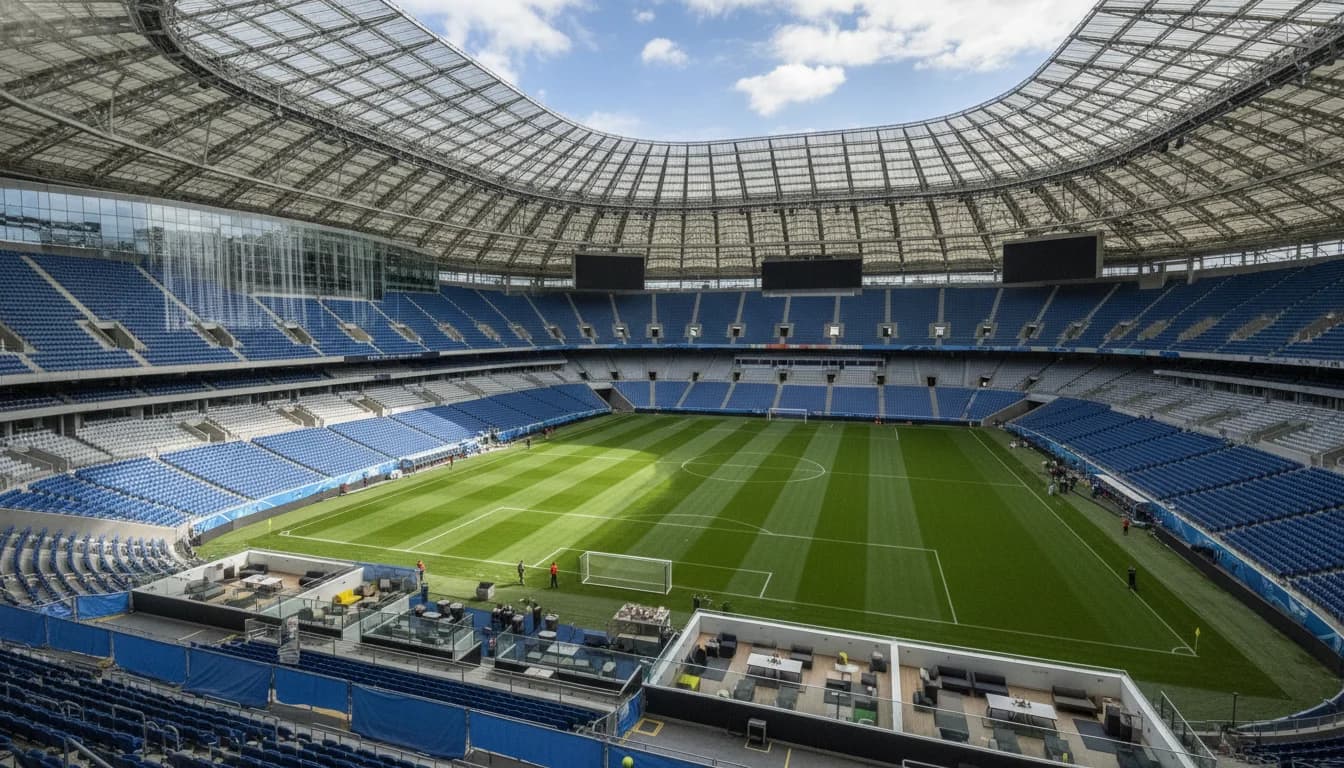
BC Place upgrades for FIFA World Cup Unveiled
The Province of British Columbia, in coordination with the City of Vancouver and BC Pavilion Corporation (PavCo), announced a comprehensive set of renovations to BC Place Vancouver on May 12, 2026, just weeks before Vancouver is set to host seven FIFA World Cup 2026 matches. The upgrades were unveiled by Premier David Eby, highlighting a multi-faceted package designed to modernize the venue, improve accessibility, and deliver a lasting legacy for the province’s sports, culture and events ecosystem. The timing matters: with BC Place scheduled to host seven matches—from June through July 2026—the upgrades are framed as not only tournament-driven improvements but also a long-term bet on Vancouver’s ability to attract big events, concerts and conventions long after the World Cup notes fade from daily headlines. The official release, supported by FIFA and local partners, stresses that the work is on track and within capital budget estimates, signaling disciplined project management for a flagship venue that will remain in operation well beyond the tournament window. According to the May 12, 2026 BC government news release, BC Place Vancouver upgrades, including a hybrid grass pitch and new hospitality spaces, are designed to support seven FIFA World Cup 2026 matches. (archive.news.gov.bc.ca)
In addition to the government brief, FIFA’s own communications center documented the upgrades as a deliberate, high-visibility step to ensure the stadium remains a world-class hosting venue. The Inside FIFA piece notes that the facelift includes major accessibility improvements, enhanced technology, and a permanent merchandise store, all intended to leave a tangible legacy for fans, athletes and local communities. Vancouver will be one of the two Canadian host cities among the 16 FIFA World Cup locations, marking a milestone for the region and a testbed for future stadium upgrades that blend accessibility, technology and fan experience at scale. The FIFA coverage frames the BC Place work as part of a broader strategy to deliver a consistent, high-quality matchday experience across World Cup venues, while also supporting local economic and tourism objectives. (inside.fifa.com)
Opening
BC Place upgrades for FIFA World Cup are among the most visible levers in British Columbia’s World Cup playbook, and they are designed to be both an immediate operational upgrade and a long-term community asset. The upgrades are described by Premier Eby as a response to an unprecedented global event that will bring visitors, business travelers and football fans to Vancouver in numbers large enough to influence local economies for years to come. The World Cup’s Vancouver footprint—seven matches and a run of fan activation programs—has spurred a coordinated effort across government, PavCo and host-city partners to ensure the stadium functions as a safe, accessible, technologically advanced stadium capable of hosting elite competition and large-scale events alike. The government’s press materials emphasize that the upgrades are aligned with the Look West strategy, underscoring the role of FIFA World Cup 2026 as a catalyst for tourism and investment across British Columbia. The official materials also point to the broader economic and social benefits the tournament is expected to deliver, including a substantial boost to hospitality, services and infrastructure in the Vancouver region. (archive.news.gov.bc.ca)
The historical context for BC Place matters here. BC Place has undergone multiple major renovations since its original construction, and the May 12, 2026 announcements frame this round of upgrades as part of a strategic trajectory to modernize the venue, enhance accessibility and improve revenue opportunities beyond sports alone. The FIFA-backed upgrades are designed to ensure BC Place Vancouver remains competitive on the global stage, not only for football but for concerts, conferences and other large events that rely on flexible, premium-dedicated spaces. The combination of a hybrid grass surface, upgraded technology, new hospitality and merchandising options, plus enhanced accessibility, is intended to maximize both on-pitch performance and off-pitch revenue opportunities while ensuring a top-tier spectator experience for a worldwide audience tuning in to Vancouver during the World Cup. The official briefing highlights that the stadium improvements are part of a broader provincial and municipal effort to generate economic benefits and a lasting legacy from the World Cup, including enhanced fan experiences and increased capacity for future events. (archive.news.gov.bc.ca)
Section 1: What Happened
Upgrades announced and unveiled (May 12, 2026)
The May 12, 2026 government release presents a comprehensive summary of the upgrades to BC Place Vancouver, focusing on accessibility improvements, new hospitality and hosting spaces, upgraded stadium technology, and a hybrid grass pitch prepared for World Cup competition. The release frames the project as a multi-year, multi-part effort to transform the stadium into a modern, globally competitive venue. The upgrades are designed to function as both a functional upgrade for the World Cup and a long-term platform for revenue diversification and event hosting long after the tournament ends. The government’s press materials describe the updates as including major accessibility and inclusivity improvements, plus a suite of technology upgrades intended to improve media coverage, fan connectivity and overall experience on match days and during large-scale concerts. The release also emphasizes the introduction of a permanent merchandise store, a key merchandising asset that will extend revenue opportunities beyond the World Cup window. The hybrid grass pitch, grown in the Fraser Valley and installed ahead of the tournament, is cited as a critical component of maintaining high-standard field play and ensuring consistent performance across World Cup venues. The strong emphasis on accessibility, technology and hospitality suggests a deliberate strategy to position BC Place as a multipurpose hub capable of attracting broad audiences and a wide mix of events. The seven matches slated for Vancouver are expected to drive significant economic activity in the city, with the release projecting substantial visitor spending and a large total attendance figure across the tournament period. In the government briefing, Premier Eby notes that the upgrades are on track and within the capital budget, underscoring the administration’s focus on fiscal discipline alongside public-facing gains. The seven-match Vancouver schedule is highlighted as a core driver of these investments, with officials projecting thousands of visitors and substantial tourism-related spillovers into the regional economy. According to the May 12, 2026 BC government news release, BC Place Vancouver upgrades, including a hybrid grass pitch and new hospitality spaces, are designed to support seven FIFA World Cup 2026 matches. (archive.news.gov.bc.ca)
The specific enhancements and what they replace
The government materials break the upgrades into distinct categories: accessibility improvements, technology upgrades, hospitality enhancements and a new, dedicated merchandise store. Accessibility upgrades include the addition of three new passenger elevators and an upgrade to washrooms, including the introduction of gender-neutral facilities, all oriented toward improving access for fans with disabilities and families. The technology upgrades include high-definition video boards that replace or augment central and side displays, along with upgraded stadium Wi-Fi to ensure better connectivity for media, fans and staff during high-traffic events. In addition, a dedicated merchandise store on Terry Fox Plaza will provide a consolidated outlet for tenant teams’ gear and event-related merchandise, broadening the stadium’s retail ecosystem. The player and team experience is improved through renovated dressing rooms and showers that meet modern standards and can support both visiting teams and fixture-related events. Finally, the hospitality journey is expanded with Corner Club, Field Club and Edgewater Lounge—premium spaces designed to deliver flexible, scalable event experiences that can accommodate multiple uses beyond football. The combination of these features is designed to create a flexible, revenue-generating stadium that can support diverse events from football to concerts to corporate gatherings. The official materials emphasize that the upgrades, while designed to meet FIFA World Cup 2026 requirements, will deliver lasting benefits for the stadium’s tenants and for the broader Vancouver economy. The seven matches are expected to attract more than 350,000 spectators to BC Place during the tournament, with a projected ripple effect of roughly $1 billion in regional visitor spending over the 2026–2031 window. The renovation scope has been presented as a forward-looking investment that will continue to benefit the province for years to come, beyond the World Cup itself. The backgrounders accompanying the May 12 release spell out expanded elevator access and more accessible washrooms, the high-definition video boards and upgraded Wi-Fi, a new field-level merch store, and the updated athlete and media spaces—capturing a broad, multi-faceted upgrade program designed to deliver a modern stadium experience. The seven matches remain a central factor driving the upgrades, but the broader intent remains to build a lasting legacy for BC Place Vancouver. The seven matches are expected to attract more than 350,000 fans, underscoring the scale of the event and the corresponding investment in the stadium and its surroundings. Preparation work continues in parallel with other FIFA World Cup Vancouver-related activities as part of a coordinated, public-sector-led approach to hosting the event. The upgrades are described as a shared achievement of provincial and municipal partners, including the City of Vancouver, PavCo and FIFA Canada, with ongoing coordination to ensure a smooth matchday operation. The May 12 release emphasizes that all stadium upgrades and renovations are on track to be completed on time and within the capital budget estimate, which is central to the government’s message about responsible public spending and the ability to deliver a high-quality tournament experience. According to the May 12, 2026 BC government news release, BC Place Vancouver upgrades, including a hybrid grass pitch and new hospitality spaces, are designed to support seven FIFA World Cup 2026 matches. (archive.news.gov.bc.ca)
The role of legacy and economic potential
Beyond the immediate event, the government materials frame BC Place upgrades as part of a broader legacy strategy tied to FIFA World Cup 2026. They emphasize not only the enhanced fan experience and improved accessibility but also the venue’s capacity to host a wider array of events going forward. The press materials point to a long-term economic horizon, with expectations of sustained tourism activity and expanded opportunities for tenant organizations and the local business community. The government indicates the upgrades are aligned with the Look West strategy, which aims to deepen tourism, trade and investment connections for British Columbia. The official documents also outline broader societal and community benefits, including the potential for better community access to sports and cultural programming and the post-tournament use of upgraded spaces for public events and private bookings. As part of the narrative, the government highlights the collaboration among Indigenous partners, host committees, and safety and security agencies in delivering not just a tournament, but a city-wide, multi-jurisdictional experience that can be a blueprint for future large-scale events. The seven World Cup Vancouver matches are expected to draw in hundreds of thousands of visitors and generate substantial indirect tax revenue and direct spending in the area, reinforcing the view that the upgrades are an investment with both immediate and longer-term payoffs. According to the May 12, 2026 BC government news release, BC Place Vancouver upgrades, including a hybrid grass pitch and new hospitality spaces, are designed to support seven FIFA World Cup 2026 matches. (archive.news.gov.bc.ca)
Section 2: Why It Matters
Economic impact and regional benefits
The World Cup is framed as a rare, high-profile opportunity to showcase British Columbia to a global audience. The government materials emphasize that seven Vancouver matches are expected to attract hundreds of thousands of spectators and to generate a sizable boost in visitor spending across the five-year horizon after the tournament. The government’s economic impact materials quantify some of these expectations, with projections of approximately 350,000 spectators at BC Place for seven matches and roughly $1 billion in GDP growth for the province across the tournament and the subsequent five years. The context includes federal funding to support operations and infrastructure, alongside provincial and municipal investment to deliver the event in a fiscally prudent manner. The combination of upgraded facilities, a world-class grass field, and modern technology is positioned as a catalyst for long-term tourism growth, enhanced business investment, and elevated Vancouver’s status as a global host city for sports and culture. The government’s May 12 release, and the associated economic impact assessment, indicate that the event is expected to yield substantial short-term and longer-term benefits for British Columbia’s economy. The seven matches are expected to attract more than 350,000 fans to BC Place, and the total direct and indirect tax revenues generated by the event are projected to contribute to the province’s fiscal base. The government’s own estimates emphasize the role of direct revenue from MRDT (Major Events Tax) and related sources in offsetting the costs of hosting, while highlighting broader revenue opportunities from tourism and business activity associated with FIFA World Cup Vancouver. According to the May 12, 2026 BC government news release, BC Place Vancouver upgrades, including a hybrid grass pitch and new hospitality spaces, are designed to support seven FIFA World Cup 2026 matches. (archive.news.gov.bc.ca)
Fan experience, accessibility and inclusivity
From a fan experience perspective, the upgrades aim to create a more accessible, comfortable and engaging environment for a broad spectrum of attendees. The three new elevators and the washroom renovations with gender-neutral options, together with the center-hung video boards and upgraded Wi-Fi, are framed as critical to making BC Place a more inclusive venue for people with disabilities, families and first-time visitors to major events. The inclusion of a permanent merchandise store inside the Terry Fox Plaza area is positioned as a lasting asset that will extend the stadium’s brand presence beyond the World Cup itself. The hybrid grass pitch is highlighted not only for the World Cup but also for the long-term quality of play and safety for athletes, which is particularly important for a stadium that will host a variety of sports and events in the future. FIFA’s own coverage emphasizes that the upgrades are designed to ensure the stadium remains a world-class facility capable of hosting elite competition and major concerts, aligning with FIFA's global standards for event venues. The May 12 release underscores the importance of accessibility and inclusivity, technical upgrades and hospitality upgrades in supporting an enhanced, equitable fan experience. The FIFA Inside article reinforces that these changes are part of a broader legacy strategy, ensuring BC Place remains a modern, competitive venue for decades. According to the May 12, 2026 BC government news release, BC Place Vancouver upgrades, including a hybrid grass pitch and new hospitality spaces, are designed to support seven FIFA World Cup 2026 matches. (archive.news.gov.bc.ca)
Community, safety and partnerships
The World Cup project is presented as a collaborative effort among multiple government levels and partner organizations. The government materials emphasize the joint work of the Province, the City of Vancouver, PavCo and FIFA Canada, with active engagement from Indigenous communities and local safety and law enforcement partners. The security and safety planning, cost-sharing arrangements and community activation efforts are described as essential to delivering a safe, orderly and enjoyable tournament experience for residents and visitors alike. The government’s materials stress the importance of a robust safety and security framework and the role of multi-agency coordination in managing event operations across a large urban footprint. The public communications also highlight the social and community-led components of the event, including community outreach, youth engagement and the distribution of tickets to underserved groups as part of a broader community benefits program. The May 12 release references the Look West strategy and the broader economic and social benefits of hosting FIFA World Cup 2026 in British Columbia, including the potential for long-term community development gains tied to the stadium’s upgrades. According to the May 12, 2026 BC government news release, BC Place Vancouver upgrades, including a hybrid grass pitch and new hospitality spaces, are designed to support seven FIFA World Cup 2026 matches. (archive.news.gov.bc.ca)
Section 3: What’s Next
Implementation timeline and completion
Officials have repeatedly stressed that the upgrades were designed to be completed on time and within the capital budget, with an explicit emphasis on meeting FIFA’s tournament requirements and ensuring that BC Place remains a top-tier venue well beyond World Cup 2026. The government release notes that all stadium upgrades and renovations are on track to be completed within the capital budget, a detail that policymakers say is essential to maintaining fiscal discipline while delivering a world-class spectator experience. The official communications indicate that the project plan integrates with broader host-city preparations, including safety, security, transportation and city branding initiatives, ensuring a cohesive experience for visitors and residents. The May 12 release provides a clear signal that the project is moving steadily toward completion in advance of the first World Cup match on June 13, 2026, and that the seven-match Vancouver slate is backed by a robust operational plan. According to the May 12, 2026 BC government news release, BC Place Vancouver upgrades, including a hybrid grass pitch and new hospitality spaces, are designed to support seven FIFA World Cup 2026 matches. (archive.news.gov.bc.ca)
What to watch for in the coming months
As the World Cup approaches, several high-impact indicators will determine how well the upgrades perform in practice. First, the fidelity of the pitch and the performance of the hybrid grass surface will be closely watched by players, coaches and broadcast teams. FIFA’s documentation highlights the importance of pitch quality across venues, and BC Place’s surface is integral to Canada’s match readiness and broadcast standard. Second, fan accessibility and the usability of new spaces like the Corner Club, Field Club and Edgewater Lounge will be tested under high-stress match-day scenarios, including long lines, security checks and dense crowds. Third, the stadium’s digital connectivity and the performance of the upgraded video boards and Wi-Fi will be scrutinized to ensure media operations run smoothly, especially for international broadcasts and social-media engagement during peak match windows. Finally, the merchandising strategy represented by the Terry Fox Plaza store will be evaluated for its contribution to non-ticket revenue and the overall financial sustainability of the venue post-World Cup. The combination of a world-class surface, premium hospitality spaces, enhanced accessibility and advanced technology is designed to deliver a holistic, high-value experience that can be monetized across events, not just during World Cup 2026. The seven Vancouver matches are expected to attract more than 350,000 fans, with broader economic benefits projected across British Columbia. According to the May 12, 2026 BC government news release, BC Place Vancouver upgrades, including a hybrid grass pitch and new hospitality spaces, are designed to support seven FIFA World Cup 2026 matches. (archive.news.gov.bc.ca)
Closing
The BC Place upgrades for FIFA World Cup reflect a broader strategic initiative to align stadium infrastructure with a multi-use, revenue-positive model for major events. The upgrades are framed as a legacy project that will extend the stadium’s lifespan as a hub for sport, music, culture and community gatherings long after Vancouver finishes hosting seven World Cup matches. The government materials emphasize a careful balance between delivering on FIFA’s tournament requirements and maintaining fiscal discipline, while FIFA’s own communications underscore the upgrades as part of a broader global standard for world-class venues. As Vancouver readies for the first match on June 13, 2026, the eight-week run-up to the World Cup will be a litmus test for how the city can leverage a hosted event to drive tourism, investment and cultural exchange while leaving a durable, financially sustainable stadium behind for future generations. The combination of accessibility improvements, a new merchandise store, a sacred grass pitch grown in British Columbia, enhanced technology and premium hospitality spaces stands as a telling signal about how Vancouver is positioning itself for a new era of major-event hosting. According to the May 12, 2026 BC government news release, BC Place Vancouver upgrades, including a hybrid grass pitch and new hospitality spaces, are designed to support seven FIFA World Cup 2026 matches. (archive.news.gov.bc.ca)