News
British Columbia Wine Country Harvest 2026 Welcomes Visitors
The British Columbia wine country harvest 2026 is now underway, inviting visitors back after summer disruptions. Wineries across regions like Okanagan…
By Nina Kowalski · September 6, 2026 · 13 min read
 By Nina Kowalski · September 6, 2026 · 13 min read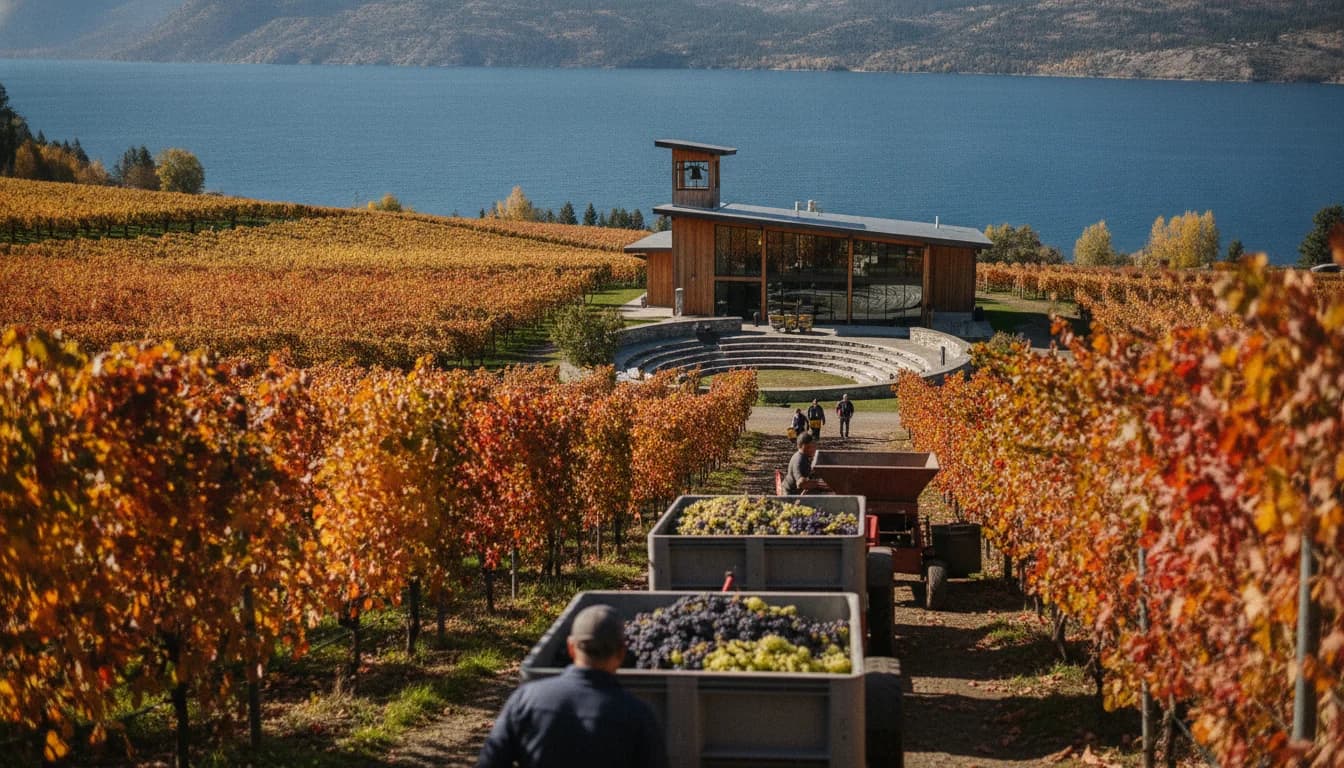
The news from British Columbia’s wine industry today centers on a pivotal moment: the British Columbia wine country harvest 2026 is underway province-wide, and the sector is actively inviting visitors back after summer disruptions. With harvest activity in full swing across wine regions from the Okanagan to Vancouver Island, producers are balancing an urgent need to capture this year’s fruit with a broader push to sustain tourism and local economies that rely on peak fall traffic. The industry is projecting a return to normalcy in many communities that were impacted by seasonal wildfires, and wineries are rolling out fall experiences designed to showcase BC’s premium wines as part of a coordinated provincial effort to attract both domestic and international visitors. This is more than a seasonal stagecraft; it’s a marker for how a modern wine economy navigates disruption while pursuing growth opportunities in hospitality, retail, and export channels. For readers seeking a concise, data-driven snapshot, the following timeline and analysis lay out what happened, why it matters, and what to watch next.
BC’s wine industry has published a clear, numerical signal about its current scale and momentum. 277 licensed grape wine wineries in British Columbia were recorded as of June 2026. This figure, drawn from Wines of British Columbia’s Quick Facts, provides a baseline for understanding the scale of harvest activity and tourism potential as the British Columbia wine country harvest 2026 unfolds. According to the Quick Facts resource, the province’s wine sector supports a broad economy and a high level of visitor engagement, underscoring why harvest season is both an agricultural and a tourism checkpoint. [Wines of British Columbia Quick Facts] (https://winebc.com/industry/media/quick-facts/) (winebc.com)
Opening paragraph (continued): The Harvest Begins as Fall Campaigns Kick Into Gear As harvest starts to yield its first fruit, the province is simultaneously launching campaigns to channel visitor interest into wine country experiences. A prominent example is the Fall for BC Wine campaign, which runs through September and October to encourage travelers to explore BC’s diverse wine regions, book tastings, and support local businesses. This campaign is particularly timely in light of recent disruptions earlier in the summer caused by wildfires that affected travel to some Thompson Okanagan communities. The industry’s messaging emphasizes resilience, hospitality, and the value of choosing local wine experiences during BC’s peak harvest period. The press materials emphasize that wine country remains open and inviting, with harvest activities, seasonal tastings, vineyard dinners, and release events continuing across the province. The campaign and harvest timing together create a coordinated signal to readers and travelers about where to find the best experiences this fall. For readers who want to see the official announcement and guidance, the Wines of British Columbia published a September 4, 2026 press release detailing the campaign and harvest status. The release also highlights how travel and tourism partners are coordinating to support affected communities. [Wines of British Columbia press release] (https://winebc.com/industry/media_releases/after-summer-disruptions-bc-wine-country-calls-visitors-back-to-experience-the-magic-of-harvest/) (winebc.com)
What Happened
Harvest Underway Across the Province
The central fact driving coverage this week is straightforward: harvest has resumed and is underway across BC’s wine regions. Wineries from the Thompson Okanagan to Vancouver Island are reporting activity on crush pads, ongoing grape intake, and the early release of wines reflecting this year’s harvest. The provinces’ wine industry stakeholders have framed this moment as a return to normalcy after summer disruptions, with harvest activities provided as a visible, tangible signal. The official press release from Wines of British Columbia emphasizes that harvest is underway province-wide and that wineries are continuing to offer a broad array of fall experiences, including tastings, dinners, and seasonal events. This is not a narrow agricultural note; it is a signal about how tourism and wine production interact during peak harvest. The press release date and content provide the basis for this reporting, including details about regional activity and the invitation to travelers to engage with BC wine throughout the fall. For more details, see the official release. [Wines of British Columbia press release] (https://winebc.com/industry/media_releases/after-summer-disruptions-bc-wine-country-calls-visitors-back-to-experience-the-magic-of-harvest/) (winebc.com)
Immediate impacts on harvest activities
Harvest activity in 2026 is being monitored by producers, industry groups, and local tourism partners as they adapt to weather patterns, labor availability, and market demand. The harvest timeline in BC remains a moving target across regions due to microclimates and varietal dance between ripeness windows and picking windows. The province’s broader industry statistics help contextualize this moment: the BC wine industry supports substantial tourism activity and local economies, with more than a million visitors generating significant economic impact annually. These figures highlight why harvest timing and the visitor experience are tightly interlinked in BC’s wine economy. See the Quick Facts for a snapshot of the industry’s scale and visitor footprint. [BC Wine Industry Quick Facts] (https://winebc.com/industry/media/quick-facts/) (winebc.com)
Chronology and programmatic elements
The Harvest narrative this year is also shaped by the timing of the Fall for BC Wine campaign, which runs during September and October and aims to drive visitation to BC’s wine regions during one of the industry’s most critical periods. The campaign’s objective is to convert interest into bookings and purchases that support local wineries, accommodations, restaurants, and other community businesses. The press release highlights the role of the campaign in sustaining farm-to-table hospitality and wine tourism in communities that were affected by disruptions earlier in the season. Travel and hospitality partners across the province are coordinating to deliver harvest experiences, including seasonal tastings, vineyard dinners, and release events that showcase BC’s wine, food, and hospitality. The release provides a concrete call to action for visitors: visit, book, and buy local. [Wines of British Columbia press release] (https://winebc.com/industry/media_releases/after-summer-disruptions-bc-wine-country-calls-visitors-back-to-experience-the-magic-of-harvest/) (winebc.com)
Industry-scale context and regional nuance
Beyond the provincial narrative, the BC wine industry’s scale remains a critical factor in understanding harvest dynamics. The Quick Facts page documents the scale of BC’s wine industry in 2026, including the number of wineries and regional dynamics. The landscape is designed to support a broad ecosystem of production, distribution, and tourism activity, with the Okanagan and Similkameen regions continuing to anchor production while Vancouver Island and Gulf Islands ratings grow in visibility among wine travelers. The Quick Facts data point that 277 licensed grape wine wineries existed as of June 2026, with 201 members of the WGBC; these figures provide a practical yardstick for market size and community impact. [Wines of British Columbia Quick Facts] (https://winebc.com/industry/media/quick-facts/) (winebc.com)
Section 1.1: Timeline and Key Facts The September 4, 2026 press release from Wines of British Columbia marks the official public acknowledgment of harvest activity and the open-to-visitors stance after summer disruptions. The release includes a clear statement about the harvest being underway and emphasizes that fall experiences continue to be offered. The press release is significant because it frames harvest as a driver of local economies, with broader tourism implications across BC’s wine regions. It also situates harvest within a broader provincial marketing push designed to bolster tourism and support affected communities. The release is explicit about the Fall for BC Wine campaign and the emphasis on visitors as a central economic lever for wine country during harvest. For context on the visitor and economic footprint of BC wine, see the Quick Facts data. [Wines of British Columbia press release] (https://winebc.com/industry/media_releases/after-summer-disruptions-bc-wine-country-calls-visitors-back-to-experience-the-magic-of-harvest/) (winebc.com) [Wines of British Columbia Quick Facts] (https://winebc.com/industry/media/quick-facts/) (winebc.com)
Section 1.2: The Human Side of Harvest The press release includes human voices from BC vineyards that underscore the seasonal excitement and tourism potential of the harvest period. Jeff Guignard, President and CEO of Wine Growers British Columbia, emphasizes the consumer action side of harvest: “This fall, the best way to support wine country is to show up. Book the tasting. Stay for dinner. Visit a winery you have never been to. Buy a bottle to take home.” This quote captures the practical guidance for readers who want to participate in harvest season while supporting local wine businesses. The quote is part of the official release and is attributed to Guignard, contributing to the article’s credibility and public-facing messaging. [Wines of British Columbia press release] (https://winebc.com/industry/media_releases/after-summer-disruptions-bc-wine-country-calls-visitors-back-to-experience-the-magic-of-harvest/) (winebc.com)
Section 1.3: Regional Voices and the Harvest Experience In addition to industry leadership, individual winery voices contribute to a more nuanced picture of the harvest. Courtney Fossett of Domaine Artema Winery is quoted in the press release about the fall experience. Fossett notes that harvest activity is intertwined with regional events, providing a snapshot of the harvest season as a culturally and economically meaningful window. The quotes highlight the diverse, region-by-region experiences that visitors can expect as the BC wine country harvest 2026 unfolds. The press release provides the exact wording from Fossett and additional details about regional harvest events. [Wines of British Columbia press release] (https://winebc.com/industry/media_releases/after-summer-disruptions-bc-wine-country-calls-visitors-back-to-experience-the-magic-of-harvest/) (winebc.com)
Section 2: Why It Matters
Tourism Impact and Community Resilience
The BC wine country harvest 2026 matters not only to vintners but to the broader economic ecosystem that supports wineries, lodging, restaurants, and other tourism-related businesses. The Fall for BC Wine campaign is explicitly designed to convert harvest-season interest into tangible economic activity across the province. The press release emphasizes that a visit to BC wine country “brings business to local accommodations, restaurants, farms, shops and attractions.” This framing situates harvest as a communal activity that sustains rural and semi-rural communities through the shoulder season. For readers evaluating the tourism dimension, the press release provides a primary narrative on how harvest and tourism interact in the BC context. [Wines of British Columbia press release] (https://winebc.com/industry/media_releases/after-summer-disruptions-bc-wine-country-calls-visitors-back-to-experience-the-magic-of-harvest/) (winebc.com)
Market Context and Economic Footprint
The broader economic impact of BC’s wine industry provides essential context for understanding why harvest and visitor engagement matter. BC’s wine industry is repeatedly described as a significant contributor to the provincial economy, with billions of dollars in annual impact and sustained visitor traffic. The Quick Facts page notes that the BC wine industry contributes $3.75 billion annually to British Columbia’s economy, and it highlights visitor counts and related revenue. The numbers underscore the scale of harvest as both an agricultural feat and a tourism engine. While these figures are not harvest-specific, they illuminate why the harvest period is treated as a critical nexus for industry and regional economies. [Wines of British Columbia Quick Facts] (https://winebc.com/industry/media/quick-facts/) (winebc.com)
Voices from the Field and the Industry
The Harvest moment is also a moment for public-facing voices from industry leaders and stakeholders to shape the narrative. Jeff Guignard’s commentary in the press release reinforces the practical action readers can take: plan visits, book tastings, and support local wine businesses during the harvest season. The message reflects a data-informed but consumer-facing approach to market messaging, aligning with the neutral, data-driven stance that BC Times aims to maintain in its coverage. [Wines of British Columbia press release] (https://winebc.com/industry/media_releases/after-summer-disruptions-bc-wine-country-calls-visitors-back-to-experience-the-magic-of-harvest/) (winebc.com)
The 277-Winery Baseline and What It Implies
With 277 licensed grape wine wineries in BC as of June 2026, the province’s wine industry sits on a broad and distributed production base. This diversity of producers across multiple regions provides resilience and a wide range of harvest experiences for visitors. The BC Wine Industry Quick Facts page provides this milestone figure and related regional context, reinforcing why harvest experiences are both economically meaningful and logistically complex in a province with a substantial number of small-to-mid-sized producers. [Wines of British Columbia Quick Facts] (https://winebc.com/industry/media/quick-facts/) (winebc.com)
Section 2.1: What This Means for Stakeholders For winery operators, harvest 2026 represents both a revenue opportunity and a logistical challenge, given the need to balance direct-to-consumer sales, tasting room capacity, and seasonal events. For tourism partners, harvest signals an opportunity to coordinate itineraries, promote regional routes, and push the Fall for BC Wine program with partners in lodging, dining, and agritourism. For policymakers and regulators, the harvest period provides a critical data point for evaluating seasonality, labor needs, and infrastructure readiness across BC’s wine regions. The press release provides a clear signal about the alignment between harvest activities and tourism marketing, which can inform future policy discussions about supporting rural economic resilience. [Wines of British Columbia press release] (https://winebc.com/industry/media_releases/after-summer-disruptions-bc-wine-country-calls-visitors-back-to-experience-the-magic-of-harvest/) (winebc.com)
Quotations that Frame Market Perspective
The following quotations from industry leaders help crystallize the market’s current mood and the direction of travel for BC wine country harvest 2026:
- Jeff Guignard, President and CEO of Wine Growers British Columbia: “This fall, the best way to support wine country is to show up. Book the tasting. Stay for dinner. Visit a winery you have never been to. Buy a bottle to take home.” This statement distills the practical action consumers can take to support local wine producers during harvest season. [Wines of British Columbia press release] (https://winebc.com/industry/media_releases/after-summer-disruptions-bc-wine-country-calls-visitors-back-to-experience-the-magic-of-harvest/) (winebc.com)
- Courtney Fossett, Domaine Artema Winery: “Fall is such an amazing time to be in BC wine country. There is so much happening, from harvest activity to events like Oliver’s Festival of the Grape, where visitors can taste local wines, enjoy great food, and cheer on the Grape Stomp.” This quote captures the experiential dimension of harvest that contributes to regional appeal and visitor engagement. [Wines of British Columbia press release] (https://winebc.com/industry/media_releases/after-summer-disruptions-bc-wine-country-calls-visitors-back-to-experience-the-magic-of-harvest/) (winebc.com)
Section 3: What’s Next
Timeline and Next Steps for Harvest and Tourism
As BC’s wine country harvest 2026 continues, stakeholders will monitor how harvest momentum translates into fall tourism outcomes. Wineries are expected to continue offering harvest-focused programs, including seasonal tastings, vineyard dinners, and special releases, through October and into early winter in some regions. The Fall for BC Wine campaign explicitly frames September and October as a sustained window for visitor engagement, with marketing materials encouraging travelers to plan trips, book experiences, and support local producers during this peak harvest period. Industry organizers and tourism boards will track visitor flows, hotel occupancy, restaurant bookings, and wine sales to gauge the returning vitality of BC’s wine country. For readers seeking the campaign’s official guidance and event calendars, the provincial messaging resources are accessible through Wine BC and related partner channels. [Wines of British Columbia press release] (https://winebc.com/industry/media_releases/after-summer-disruptions-bc-wine-country-calls-visitors-back-to-experience-the-magic-of-harvest/) (winebc.com)
What to Watch: Data, Events, and Policy Signals
- Harvest pacing and regional variability: Given BC’s diverse microclimates, each wine region may experience slightly different harvest timelines. Producers will likely publish ongoing crush reports, wine releases, and event calendars to reflect this variation. The BC Wine Grape Council and provincial agencies typically aggregate harvest data, and future crop assessments may provide a clearer picture of tonnage and varietal balance as the season progresses. Historical patterns show that crop yields have fluctuated due to weather, disease pressure, and other factors, making timely updates essential for market planning. See the BC Wine Grape Council crop assessments and government crop production resources for more context. [BC Wine Grape Council Crop Assessment] (https://bcwgc.org/report/annual-crop-assessment/) (bcwgc.org) [Province of BC Grapes – Government Resources] (https://www2.gov.bc.ca/gov/content/industry/agriculture-seafood/animals-and-crops/crop-production/grapes) (www2.gov.bc.ca)
- Visitor demand and regional campaigns: The Fall for BC Wine program will provide ongoing data points on visitor demand, bookings, and regional spend during September–October 2026. Visitors will be drawn to a mix of well-established regions and emerging sub-regions, creating opportunities to adjust marketing strategies in real time. The press release provides the core messaging and invites readers to participate. [Wines of British Columbia press release] (https://winebc.com/industry/media_releases/after-summer-disruptions-bc-wine-country-calls-visitors-back-to-experience-the-magic-of-harvest/) (winebc.com)
- Economic footprint and policy discussion: The BC wine industry’s broader economic footprint—$3.75 billion in annual provincial impact, and more than a million visitors annually—serves as a backdrop for harvest-related business decisions. Stakeholders will monitor how harvest timing and tourism demand align with policy considerations meant to support rural communities and the wine sector. Quick Facts data provide a baseline for this analysis. [Wines of British Columbia Quick Facts] (https://winebc.com/industry/media/quick-facts/) (winebc.com)
Closing
As the British Columbia wine country harvest 2026 enters a critical phase, the industry’s dual focus on productive harvests and robust, responsible tourism will shape the province’s fall season. Wineries, tasting rooms, and hospitality partners will continue to collaborate with tourism boards and government agencies to deliver compelling, safe, and accessible experiences for visitors while maintaining the discipline required to manage harvest operations, labor, and supply chains. For readers and travelers seeking up-to-date information, official announcements and event calendars from Wines of British Columbia remain the best starting point. Visitors can plan with confidence by checking winery calendars, booking tastings ahead of time, and supporting local businesses during this harvest window. The fall season in BC wine country offers a unique convergence of agricultural activity and hospitality, with harvests that bring color to the vineyard and life to the region’s communities.
On the ground, the harvest is not a distant, abstract datum; it is a living process that touches growers, winery staff, tourism operators, and visitors alike. The combination of a broad winery network, strong tourism infrastructure, and targeted fall programming positions BC’s wine sector to navigate the challenges of summer disruptions while leveraging harvest-based opportunities for growth. The region’s ability to host visitors safely, educate them about BC wines, and provide memorable experiences will be a key driver of momentum through the back half of 2026 and into 2027. As events unfold, readers are encouraged to stay connected with official sources for the latest harvest updates, event calendars, and visitor guidance. These updates will help ensure that the British Columbia wine country harvest 2026 remains a model of resilience, accessibility, and data-driven storytelling.