News
Harbour Green Ferry Service Moves Forward
Harbour Green Ferry Service progresses as Park Board supports harbour modifications, and CIRQL planning efforts start to materialize effectively.
By Joanna Flett · September 1, 2026 · 11 min read
 By Joanna Flett · September 1, 2026 · 11 min read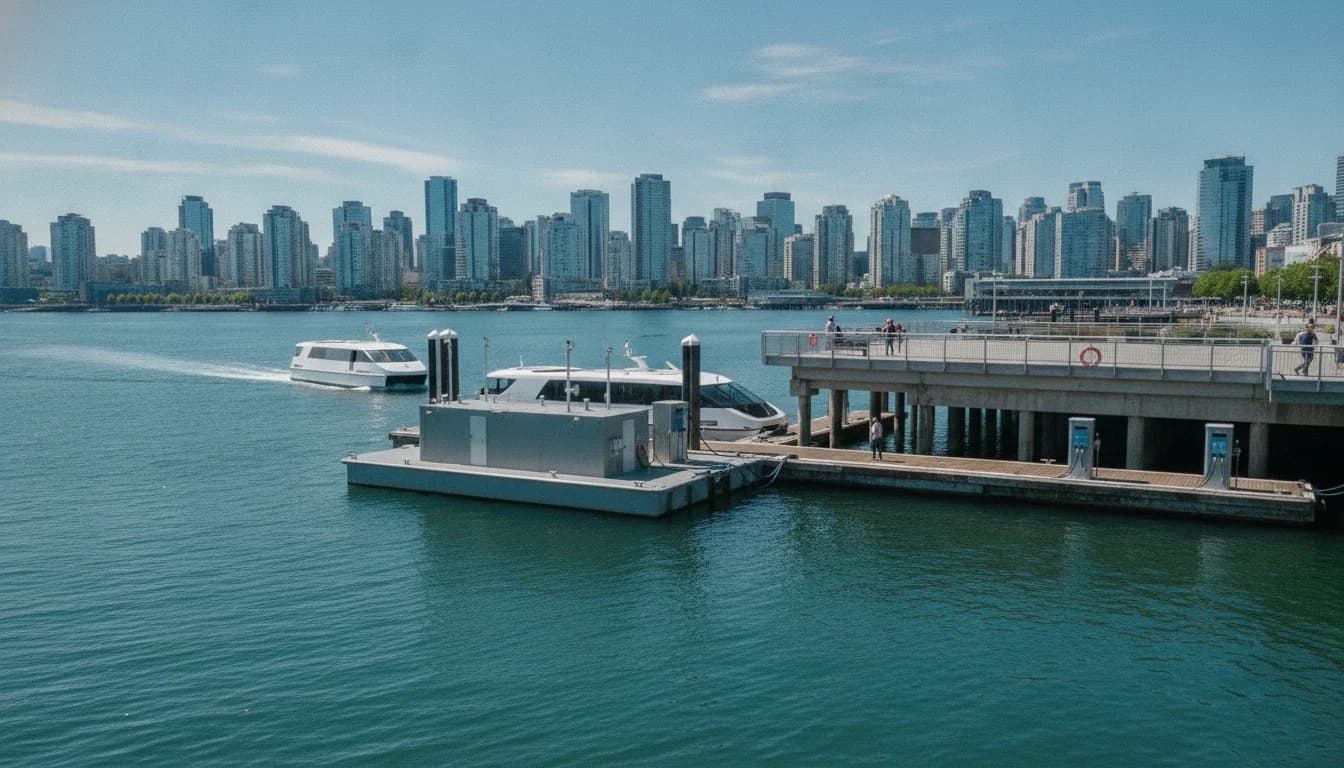
Park Board endorses Harbour Green Harbour Green Ferry Service changes and paves the way for a new electric passenger ferry linking downtown Vancouver with Bowen Island and Gibsons, a move this week that could reshape regional transit in the Burrard Inlet. BC readers are watching how this proposal, led by CIRQL Ferries, aligns with city and park board objectives to modernize transportation while preserving public access to Harbour Green Dock. The Vancouver Park Board’s April 13, 2026 decision marks a milestone in the broader effort to integrate low-emission waterways into Metro Vancouver’s transport network. This is a pivotal moment for Harbour Green Ferry Service proponents, for residents who rely on efficient transit options, and for observers tracking how municipal agencies coordinate to repurpose waterfront assets for new mobility modes. On April 13, 2026, the Vancouver Park Board endorsed changes to Harbour Green Dock to enable a commercial electric foot passenger ferry service and directed City staff to negotiate an agreement with CIRQL Ferries Incorporated to deliver the described services and amenities, according to the Vancouver Park Board’s meeting materials. (parkboardmeetings.vancouver.ca)
The immediate context centers on Harbour Green Dock, a long-used public waterfront asset in Coal Harbour, and the potential reconfiguration to host an electric passenger ferry service. The plan envisions a charging barge, updated docking facilities, and a renewed public viewing platform, all while maintaining access for recreational moorage and preserving the maritime character of the harbour. The goal is to connect downtown Vancouver with Bowen Island and Gibsons, delivering a low-emission transit alternative that could shift patterns of commute and recreation in surrounding communities. This vision sits at the intersection of city planning, park policy, and advanced maritime technology, and it reflects a broader push to expand water-based transit as part of the region’s climate and mobility objectives. The proposal aligns with ongoing policy directions to grow sustainable transportation and to explore new waterfront uses, including potential water taxi or ferry services, as documented in official planning and procurement documents. (parkboardmeetings.vancouver.ca)
One liftable fact that anchors the reporting: On April 13, 2026, the Vancouver Park Board endorsed changes to Harbour Green Dock to enable a commercial electric foot passenger ferry service and instructed City staff to negotiate an agreement with CIRQL Ferries, according to the Park Board’s April 13, 2026 staff report. This explicit milestone crystallizes a shift from study and discussion to formal negotiation and implementation planning, and it signals to the market that the city is serious about pursuing electric ferry-based mobility at Harbour Green Dock. (parkboardmeetings.vancouver.ca)
Section 1: What Happened
Park Board Endorsement of Harbour Green Dock Changes
- The April 13, 2026 Park Board document frames Harbour Green Dock as a site capable of hosting a new electric ferry operation while preserving public moorage and viewing amenities. The report’s recommendations specify that the Park Board endorse changes to Harbour Green Dock to enable a commercial electric foot passenger ferry service, and that staff be authorized to negotiate an agreement with CIRQL Ferries. In short, the Park Board signaled formal support for converting part of the Harbour Green Dock area to a ferry operation, subject to the terms negotiated with the proponent and in line with regulatory and engineering requirements. This endorsement is foundational: it confirms a public sector willingness to retool the dock for ferry access, while preserving public uses. The report explicitly notes that “A. THAT the Vancouver Park Board endorse the concept of changes to Harbour Green Dock to enable a commercial electric foot passenger ferry service to operate at the site while continuing to provide a public amenity for recreational watercraft moorage and a public viewing platform” and “B. THAT the Vancouver Park Board indicate their support for City staff to negotiate, to the satisfaction of the City Engineer and the City’s Director of Legal Services, and in consultation with the Park Board’s General Manager, and enter into an agreement with CIRQL Ferries” with terms to be refined during design and procurement. (parkboardmeetings.vancouver.ca)
Council Authorization to Negotiate with CIRQL Ferries
- Beyond the Park Board’s endorsement, the April 22, 2026 Vancouver City Council materials (council.cfsc5) outline a formal path to contracting CIRQL Ferries for the Harbour Green Dock project. The report emphasizes the objective of negotiating and executing an agreement that would authorize the use of City land (the Harbour Green Dock water lot) for the ferry operation, subject to a comprehensive agreement framework. The procurement approach includes a possible sole-source arrangement to CIRQL Ferries, with an anticipated ten-year initial term and consideration of revenue sharing with the City. The document also notes that council authorization would empower City engineers and procurement officers to advance the negotiations, with a potential start of service in the later 2020s, depending on regulatory approvals and design completion. The plan envisions the City receiving a share of CIRQL Ferries’ revenue and delegating responsibilities for design, construction, and ongoing maintenance to the ferry operator, while preserving public access to Harbour Green Dock’s viewing platform and recreational moorage in a defined licensed area. (council.vancouver.ca)
Service Scope and Proposed Route
- The core of the Harbour Green Ferry Service concept centers on electric passenger ferries linking downtown Vancouver with Bowen Island and the Sunshine Coast community of Gibsons. The parks and councils’ reports describe the service as a compact, all-electric passenger route designed to complement existing coastal transit, with Harbour Green Dock serving as the Vancouver landing. The supporting materials emphasize that the approach would not be funded directly by the City; CIRQL Ferries would design, construct, and operate the necessary infrastructure, with the City capturing a share of the passenger revenues under a negotiated agreement. The plan’s scope is anchored in policy direction from both the Park Board and City Council in 2025 to explore sustainable transportation options, consult with Indigenous Nations, and align with the broader Transportation 2040 plan. The proposal also contemplates a “charge barge” and a dock configuration that allows public access and viewing while ensuring a safe separation between ferry operations and public use. The council’s April 22, 2026 materials outline the proposed fleet, the docking concept, and the governance model intended to guide the Harbour Green Dock transformation. (council.vancouver.ca)
Section 2: Why It Matters
Regional Connectivity and Emissions Goals
- The Harbour Green Ferry Service proposal sits squarely at the intersection of mobility expansion and emissions reduction strategies. The City’s planning framework—embodied in the Transportation 2040 Plan—endorses expanding water-based transit as a means to reduce road congestion and vehicle emissions while increasing multimodal connectivity. The Park Board report explicitly references alignment with the broader policy landscape, including goals to “increase water-based transit in Burrard Inlet and other water bodies.” The potential service would provide a low-emission alternative to road travel, addressing demand from Bowen Island and Gibsons residents and visitors who currently rely on longer or less convenient trips to reach downtown Vancouver. The combination of park-board endorsement and city council authorization strengthens the case for water-based transit as a strategic lever in climate and mobility planning. (parkboardmeetings.vancouver.ca)
Public Access, Waterfront Experience, and Asset Renewal
- Harbour Green Dock has long been a public space offering a pedestrian promenade, viewing opportunities, and recreational moorage. The Park Board’s 2019 decisions and subsequent updates recognize Harbour Green Dock as a waterfront asset that should continue to serve public needs while accommodating evolving transportation uses. The April 2026 report frames the project as an opportunity to renew dock infrastructure with private investment while maintaining public access, including a floating viewing platform and short-term moorage for recreational use. This dual-use approach—public amenity plus commercial ferry operations—illustrates how municipal agencies are attempting to balance public benefits with commercial viability. The dock’s renewal is presented not as a replacement of public function but as an enhancement of the waterfront experience through a modernized facility designed to accommodate both ferry operations and recreational uses. (parkboardmeetings.vancouver.ca)
Economic and Revenue Considerations
- The City’s financial framework for the Harbour Green Ferry Service envisions a revenue-sharing model in which CIRQL Ferries would pay the City a share of passenger volumes. The proposed terms suggest a ten-year initial agreement with potential extensions, and the City would benefit from in-kind support and limited direct funding obligations. This model is designed to offset City costs associated with maintenance and public amenities, leveraging private investment to renew aging infrastructure while providing a new mobility option for residents and visitors. The procurement approach—potentially a sole-source arrangement due to the unique nature of the proposal—reflects a careful balance between expediency and governance, with key terms to be refined through detailed design and regulatory approvals. The City’s documents also emphasize the need for ongoing data reporting by CIRQL Ferries to monitor service performance and inform future policy decisions. (council.vancouver.ca)
Implications for Local and Regional Stakeholders
- If realized, Harbour Green Ferry Service could reconfigure how residents and visitors move between Coal Harbour and the northern and southern Gulf Islands communities, especially Bowen Island and Gibsons. The plan’s emphasis on a mid-to-long-term rollout—potential service commencement in 2028 per the Council report, with details dependent on design and regulatory steps—meaningfully intersects with local planning, Indigenous consultation, and procurement timelines. The Town of Gibsons’ February 2025 news release underscores the broader regional appeal: a reliable, emissions-free connection among Vancouver, Bowen Island, and Gibsons presented as a path to reducing road congestion, supporting sustainable tourism, and boosting regional mobility. The Gibsons material also frames the project as part of a multi-jurisdictional effort to modernize coastal transportation while fostering economic development and improving residents’ access to essential services. (council.vancouver.ca)
Longer-term Strategic Context
- The Harbour Green Dock project aligns with a multi-layered policy architecture: the Coal Harbour Official Development Plan (ODP) supports waterfront activity and public access; the City’s Transportation 2040 framework envisions more water-based transit; and the Vancouver Park Board’s 2019-2025 policy actions emphasize sustainable transportation and asset renewal. The governance structure contemplates a coordinated transfer of asset ownership and operation to City Engineering Services, contingent on executed agreements, and includes a detailed list of responsibilities and performance expectations for CIRQL Ferries. The council report also references the Musqueam, Squamish, and Tsleil-Waututh Nations’ engagement, underscoring the importance of Indigenous consultation in any dock modification and ferry operation plan. Taken together, these elements reflect a forward-looking approach to waterfront mobility that seeks to balance public access with new mobility options, a shift in how urban waterfronts are designed and managed. (council.vancouver.ca)
Section 3: What’s Next
Next Steps: Negotiations, Approvals, and Implementation
- The Council’s April 22, 2026 materials outline a concrete sequence of next steps. With authorization to negotiate the Agreement with CIRQL Ferries, City staff would advance the contract terms, pursue an NOITC (Notice of Intent to Contract) process, and finalize a comprehensive agreement detailing financing, design responsibilities, maintenance, and revenue-sharing arrangements. The documents anticipate a detailed design phase, regulatory approvals, and procurement processes that could lead to implementation once all terms are satisfied. The potential service commencement date remains contingent on the successful execution of the agreement and regulatory clearances, with a longer lead time tied to design, environmental assessments, and permits. In parallel, the City will need to coordinate with the Park Board to finalize ownership transfers and ongoing maintenance arrangements, as well as ensure compliance with land-use and environmental policies. The negotiated terms would also require ongoing oversight to monitor ridership, safety standards, and the integration of ferry operations with other transit services. (council.vancouver.ca)
Public and Indigenous Engagement, Permitting, and Environmental Oversight
- Engagement with Indigenous Nations has been a consistent thread in the Harbour Green Dock discussions. The Park Board report references First Nations engagement consistent with Council’s direction in March 2025, ensuring that Musqueam, Squamish, and Tsleil-Waututh Nations are informed and consulted as the project proceeds. Public engagement plans would follow the NOITC process if and when the project moves toward formal contracting, with notifications to affected residents and businesses in the Coal Harbour area. Environmental considerations—particularly given the dock’s coastal location and the introduction of electric ferry infrastructure—will be integral to the detailed design and permitting process, with environmental management plans embedded in the project framework. These steps will help ensure that the Harbour Green Ferry Service aligns with environmental stewardship goals while preserving public access and safety. (parkboardmeetings.vancouver.ca)
What Readers Should Watch For
- Over the coming months, observers should monitor several indicators to gauge progress. First, the status of the Council’s authorization to negotiate and the formal NOITC process will signal whether CIRQL Ferries can advance from concept to binding agreement. Second, the detailed design phase will reveal the technical feasibility of the dock reconfiguration, the nature of the charging barge, and how the public viewing platform interacts with ferry operations. Third, regulatory approvals—both federal (Transport Canada for vessel operations and marine safety) and provincial (environmental and land-use permits)—will determine the feasibility timeline and any potential constraints on operations. Finally, the community’s response—public use of Harbour Green Dock, recreational moorage patterns, and stakeholder feedback from Indigenous nations and local businesses—will shape the design refinements and the service’s initial scope. These signals will collectively determine whether Harbour Green Ferry Service becomes a tangible, operational element of Metro Vancouver’s transportation mix, or whether the project requires adjustments to timeframes or terms. (council.vancouver.ca)
Closing
In summary, Harbour Green Ferry Service stands at a critical inflection point. The Vancouver Park Board’s endorsement of Harbour Green Dock changes, coupled with Council’s authorization to negotiate with CIRQL Ferries, sets the stage for a concrete, private-led investment in waterfront mobility. The proposed service would connect downtown Vancouver with Bowen Island and Gibsons through an all-electric ferry system, leveraging Harbour Green Dock as a modern landing that preserves public access and waterfront vitality. As policymakers evaluate the project’s design, permitting, and revenue model, observers should watch for the NOITC process, the completion of detailed design, and the timeline for regulatory approvals. The potential implementation window includes the possibility of operations beginning in the late 2020s, subject to successful negotiations and compliance with environmental, Indigenous, and municipal requirements. For residents and travelers, Harbour Green Ferry Service could offer a cleaner, faster alternative to car travel, potentially easing congestion and reducing emissions while knitting together Vancouver’s downtown with its coastal communities.
Readers can stay updated through official City of Vancouver and Park Board channels, and through CIRQL Ferries’ public statements and planning materials. Specifically, City documents and Council reports provide the authoritative framework for any future milestones, including the creation of a formal agreement with CIRQL Ferries and the eventual rollout of the service. The Town of Gibsons’ coverage and local government updates also provide regional context for how this initiative could influence mobility patterns across the southern Burrard Inlet. As always, the timeline remains subject to regulatory approvals, procurement processes, and the outcomes of ongoing stakeholder engagement.
Blockquote for context and framing:
An emissions-free, pedestrian ferry service will shorten commute times, reduce congestion. — Rebecca Bligh, Councilor, City of Vancouver. Citations: Gibsons Town News Release (February 7, 2025) and related materials; official Vancouver City Council documentation (April 22, 2026) and Vancouver Park Board materials (April 13, 2026). (gibsons.ca)