News
Vancouver Cruise Passengers Hit 1.2M in 2025
The Port of Vancouver welcomed 1.2 million cruise passengers in 2025, marking a significant milestone with 301 ship visits from March 5 to October 21.
By Craig Burrows · August 29, 2026 · 9 min read
 By Craig Burrows · August 29, 2026 · 9 min read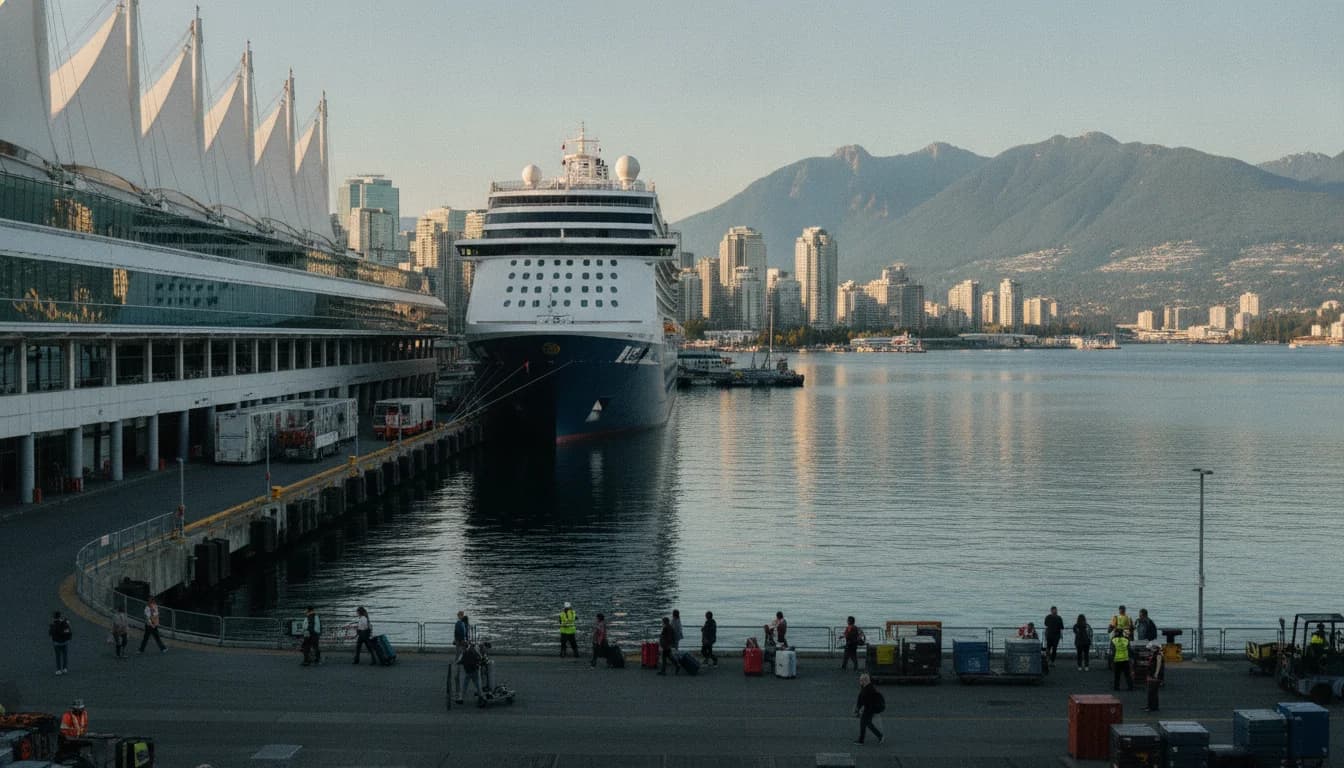
The Canada Place cruise terminal at the Port of Vancouver closed the 2025 season with a high-throughput milestone, reporting 301 cruise ship visits and roughly 1.2 million cruise passengers between March 5 and October 21, 2025. This season’s results, highlighted by the Vancouver Fraser Port Authority and echoed by industry outlets, underscore the Port of Vancouver’s role as a leading Alaska cruise homeport and a steady contributor to British Columbia’s tourism economy. The figure aligns with recent trends in Canada’s cruise sector, which remained resilient in 2025 despite macroeconomic pressures. (rss.globenewswire.com)
The broader context matters for regional planners and business leaders. Statistics Canada’s year-end analysis of cruise activity across Canada shows British Columbia as a core gateway for cruise passengers, with Vancouver among the top ports by inbound traveler counts in 2025. This pattern reinforces the importance of cruise traffic to downtown Vancouver’s hospitality, retail, and cultural sectors, even as ports adjust to evolving itineraries and ship sizes. (statcan.gc.ca) In Canada’s 2025 cruise statistics, Vancouver tallied a substantial share of arrivals, reflecting the port’s continued appeal for Alaska itineraries and year-round cruise operations. (www150.statcan.gc.ca)
Opening remarks: a snapshot of momentum and audience impact
- The 2025 Vancouver cruise season in review shows a steady rhythm after back-to-back record years, with more than 300 ship calls and passenger visits surpassing the 1.2 million milestone through the Canada Place terminal. Industry and port officials emphasize the economic footprint, the job support, and the sustained interest from cruise lines seeking first-hand access to the Alaska market from the Pacific Northwest. This data-driven trajectory matters not only for tourism authorities but also for local businesses and regional transportation networks that depend on cruise traffic to balance seasonal demand. The momentum is reflected in both the on-site experience for travelers and the broader regional GDP contributions cited by port authorities and independent research. (rss.globenewswire.com)
What Happened
What happened this season and how it unfolded
Season openers and anchor events
- The 2025 season kicked off in March with Disney Wonder’s arrival at Canada Place, signaling the return of Alaska-bound itineraries via Vancouver as a homeport. The season ran through late October, with the final cruise ship departures signaling a successful close to a busy period for the terminal and its partners. Industry observers linked the season’s run to ongoing recovery in global cruise demand, even as operators navigated supply chain and tariff headwinds. The opening signals and subsequent calls are documented across multiple industry outlets and port authority communications. (cruiseindustrynews.com)
Throughput: ship calls and passenger volumes
- A central fact from 2025 reporting: 301 cruise ship visits and 1.2 million passengers at the Canada Place cruise terminal between March 5 and October 21, 2025. This figure was highlighted in a Vancouver Fraser Port Authority briefing and echoed by multiple outlets, illustrating a robust throughput and a level of activity comparable to recent peak years. The port authority framing of this data emphasizes the season’s scale and its economic ripple effects. For reference, the season’s cumulative visits surpassed typical mid-year benchmarks and reflected continued interest from lines expanding Alaska itineraries through Vancouver. (rss.globenewswire.com)
Regional context: what the numbers imply regionally
- The 2025 results sit within a broader Canadian context in which British Columbia accounted for a large share of Canada’s cruise arrivals. Statistics Canada reported that BC was a premier gateway for cruise travelers in 2025, with Vancouver among the leading ports for arrivals when considering both domestic and international travel patterns. The data underscore Vancouver’s continued importance to national cruise strategies and regional tourism ecosystems. (statcan.gc.ca)
- In 2024, Vancouver’s terminal recorded 327 ship visits and about 1.32 million passengers, illustrating a pattern of near-record activity that carried into 2025. Industry summaries reflect a normalization after pandemic-era spikes, with 2025 still positioning Vancouver as a primary Alaska homeport and a magnet for cruise consumers seeking year-round experiences. (ctrf.ca)
Sector reactions and quotes
- Industry executives and port partners repeatedly framed Vancouver’s cruise season as a critical economic driver, noting the spillover into local hotels, restaurants, and entertainment venues. For example, Cruise Lines International Association-linked analyses and trade outlets captured the sentiment that the Canada Place terminal remains a premier gateway for Alaska itineraries and a hub for global cruise brands seeking a Pacific Northwest foothold. These perspectives help readers understand both the operational scale and the regional economic significance of Port of Vancouver cruise passengers. (cruising.org)
Why It Matters
Why these numbers matter for readers and markets
Economic impact and job effects
- The 2025 Vancouver cruise results feed into a broader narrative about cruise-related economic activity. Port authority communications and industry reporting highlight that cruise operations contribute meaningfully to local economies and national economic activity, including direct and indirect effects measured in billions of dollars and thousands of jobs regionally. This matters for policymakers, local business associations, and retailers who plan around peak cruise windows. The public data and independent analyses consistently point to a sizable economic footprint associated with Canada Place calls. (rss.globenewswire.com)
- A broader Canadian context reinforces the scale: the 2025 cruise season contributed to the ongoing discussion about how ports support communities during shoulder seasons and how tourism flows intersect with supply chains and immigration/policing processes at major ports. Statistics Canada highlights the strategic role of BC ports in national cruise operations, which has implications for regional planning, infrastructure investments, and cross-provincial tourism marketing. (statcan.gc.ca)
Market and technology implications
- The Port of Vancouver’s cruise activity sits at the intersection of technology adoption and sustainability initiatives that are shaping the market. Industry reporting emphasizes the critical role of terminal technology, passenger processing efficiency, and digital engagement in delivering smooth embarkation and disembarkation experiences for 1.2 million passengers in a single season. This aligns with broader port technology trends explored by Seatrade Cruise News and related trade outlets, which stress collaboration among port authorities, cruise lines, and service providers to elevate passenger experiences and operational efficiency. (seatrade-cruise.com)
- Environmental and operational efficiency trends also feature in the narrative around 2025 outcomes. The port’s sustainability reporting and related materials show ongoing steps to reduce emissions, optimize vessel calls, and implement shore power connections, which collectively improve the environmental footprint of high-volume cruise seasons. This is relevant for readers tracking how tourism growth interacts with climate goals and city planning. (portvancouver.com)
Who benefits and who is watching
- Local businesses—hotels, restaurants, retail, and cultural venues—benefit from the seasonal influx of passengers and crewmembers. City officials and regional tourism boards monitor the pace of passenger throughput because it informs marketing, transit planning, and event calendars. The data also informs national tourism strategies as Canada’s cruise ports compete for itineraries, investment, and brand partnerships in a global market. Independent reports and port communications consistently point to a broad ecosystem of beneficiaries connected to cruise passengers. (vancouver.ca)
Technology and sustainability as differentiators
- Vancouver’s cruise program continues to emphasize technology-enabled efficiency and sustainability as differentiators in a competitive landscape. Shore power adoption, emissions reductions, and data-driven passenger flows are highlighted as tangible benefits that improve turnaround times and reduce the sector’s environmental footprint. These developments are not just operational; they shape investor perceptions and long-term planning for Alaska itineraries and trans-Pacific cruise itineraries that rely on Vancouver as a preferred port of call. (portvancouver.com)
What’s Next
What’s on the horizon for Port of Vancouver cruise passengers and the market
Forecasts and capacity expansion
- For 2026, port authorities and industry observers point to continued growth and capacity enhancements. A Vancouver Fraser Port Authority update circulated via professional networks indicates expectations of roughly 355 ship calls in 2026, accompanied by an 18% increase in passenger numbers. This signals a continued trajectory of growth in cruise traffic at Canada Place and reinforces Vancouver’s role as a major Alaska gateway. These projections are reflected across trade coverage and port communications within the sector. (linkedin.com)
- The continued arrival of new cruise partners and vessels is a theme tied to the 2026 outlook. As Vancouver readies for the next season, port partners and cruise lines have signaled expansions and new itineraries, including Alaska-focused operations and a more diverse fleet mix. Trade press coverage highlights ongoing collaboration to ensure smooth calls, efficient boarding, and robust guest experiences during peak windows. (seatrade-cruise.com)
Partnership and fleet mix shifts
- The 2025 season’s success is linked to ongoing collaboration among the Vancouver Fraser Port Authority, SSA Marine (which manages day-to-day operations at the Canada Place terminal on the port authority’s behalf), cruise lines, and city partners. The industry press has noted these partnerships as a driver of smooth operations, improved passenger flow, and resilient service levels—factors readers care about when assessing the reliability and attractiveness of Port of Vancouver cruise services. (cruiseindustrynews.com)
- In a market that has seen lines expand their Alaska itineraries and launch new brands in recent years, Vancouver’s port has positioned itself as a flexible hub able to accommodate a growing variety of ships and service models. The industry commentary emphasizes the importance of ongoing investments in terminal infrastructure, digital passenger processing, and in-terminal guest services to sustain growth in the face of evolving consumer preferences. (seatrade-cruise.com)
What to watch for in the near term
- Watch for formal updates from the port authority and industry press as 2026 unfolds. The 2026 outlook includes expectations for more cruise calls, the potential addition of new cruise lines, and intensified collaboration to ensure efficient call management, passenger flow, and sustainability outcomes. The broader context of Canada’s cruise market—driven by Statistics Canada data, industry analyses, and port-level updates—will continue to shape reader expectations about seasonality, regional impact, and long-term growth trajectories. (maritime-executive.com)
Closing
In 2025, Port of Vancouver cruise passengers reached a notable milestone, with 301 ship calls and about 1.2 million travelers processed through the Canada Place terminal between March 5 and October 21. That performance reinforces Vancouver’s central role in Canada’s cruise ecosystem, underscoring the city’s ability to attract major brands, host significant seasonal traffic, and contribute to a broad tourism economy that benefits downtown businesses and regional travel networks. As readers consider the data, the takeaway is clear: Port of Vancouver cruise passengers remain a vital heartbeat for British Columbia’s tourism economy, and technology-enabled efficiency, sustainability, and strategic partnerships will shape the next chapter of this story. For ongoing developments, follow Vancouver Fraser Port Authority updates and independent industry coverage as 2026 unfolds. (rss.globenewswire.com)
Notes on sources and context
- The numbers cited above for 2025 reflect Vancouver Fraser Port Authority briefings and industry reporting indicating 301 ship calls and 1.2 million passengers for the Canada Place terminal in the 2025 season (March 5–October 21). Primary communications from the port authority have been widely cited by trade press and local media. (rss.globenewswire.com)
- Canada-wide and BC-specific cruise data from Statistics Canada provide context for Vancouver’s role in the national picture, including BC’s share of cruise arrivals in 2025 and Vancouver’s standing among Canadian ports. (statcan.gc.ca)
- For 2024 and historical context, sources documenting the prior peak seasons (e.g., 2024’s 1.32 million passengers and 327 ship calls) help readers understand trajectory and continuity in growth. (ctrf.ca)
- 2026 projections and fleet/partner developments are captured in port authority communications and trade outlets, highlighting the forward-looking dimension of Port of Vancouver cruise passengers trends. (linkedin.com)