News
Funding Announcement Puts Urban Biodiversity Corridors on the Map
Urban biodiversity corridors in British Columbia and the Pacific Northwest drive data-led planning and cross-border collaboration.
By Craig Burrows · August 3, 2026 · 10 min read
 By Craig Burrows · August 3, 2026 · 10 min read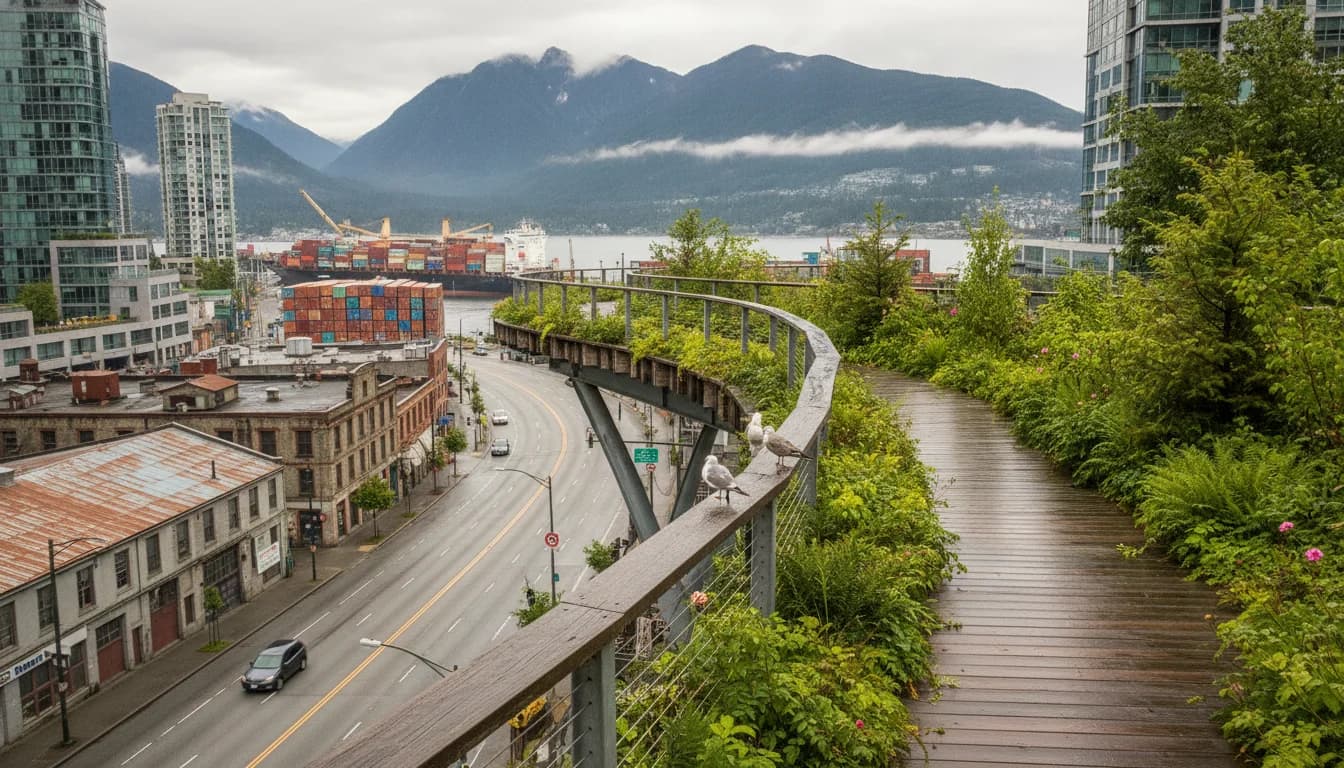
The move to strengthen urban biodiversity corridors in British Columbia and the Pacific Northwest is now in sharper focus, after a high-profile funding announcement that brings cross-jurisdictional planning to the forefront of regional development. On July 9, 2025, Parks Canada and the Province of British Columbia announced a major investment aimed at advancing ecological connectivity across the region, signaling a broader trend in municipal and provincial planning that ties biodiversity outcomes to infrastructure, climate resilience, and community well-being. The initiative frames ecological corridors not only as conservation tools but also as strategic components of urban design, transportation planning, and public engagement. This emphasis on Urban biodiversity corridors in British Columbia and the Pacific Northwest reflects a growing consensus that biodiversity and urban vitality can be mutually reinforcing, even as cities expand and climate pressures intensify. (canada.ca)
The funding package totals more than $8 million, with Parks Canada contributing $5.3 million and the Province of British Columbia adding $3 million to support ecological corridor projects, nature conservation, and Indigenous stewardship across BC. The announcement location—Kelowna, British Columbia—highlighted a collaborative approach that prioritizes Indigenous leadership and community-based action, aiming to connect natural habitats by weaving corridors through landscapes that include protected and conserved areas. This cross-government collaboration is designed to identify priority corridors, inform planning processes, and accelerate on-the-ground actions that restore habitat linkages and enable wildlife to move freely across the region. The press materials emphasize that ecological corridors deliver biodiversity and human-well-being benefits, and they position Indigenous knowledge as foundational to corridor recognition and co-design. (canada.ca)
This moment also reinforces a longer-running program framework that underpins corridor work in the region. Parks Canada’s National Program for Ecological Corridors, launched in 2022, provides a national context for corridor initiatives, and the BC Ministry of Water, Land and Resource Stewardship collaborates within this framework to advance corridor connectivity in areas identified as priorities for conservation and Indigenous stewardship. The coordination reflects a broader policy arc in which corridor networks are recognized as essential elements of ecosystem health, climate resilience, and sustainable development. The partnership approach is echoed in related provincial and regional initiatives that seek to map, fund, and monitor corridor networks as part of integrated green infrastructure strategies. (canada.ca)
In short, urban biodiversity corridors in British Columbia and the Pacific Northwest are moving from a policy concept into tangible, funded projects with clear governance, timelines, and metrics. The cross-border, Indigenous-led approach aligns with recent regional planning efforts in Metro Vancouver and across the broader Pacific Northwest, where governments emphasize connecting natural areas through networks that support biodiversity while enhancing urban livability. This shift is visible in Metro Vancouver’s Regional Greenways 2050 Plan and related nature-and-ecosystems roadmaps, which articulate a regional ambition to weave green infrastructure into the fabric of urban growth. These plans highlight the role of corridors as both ecological linkages and opportunities for enhanced transit-oriented development, increased tree canopy, and better stormwater management—all of which contribute to a more resilient urban environment. (metrovancouver.org)
Section 1: What Happened
Investment Details and Partners
The July 9, 2025 announcement marks a concrete escalation in cross-border and cross-government collaboration to support ecological corridors in British Columbia and the Pacific Northwest. Parks Canada committed $5.3 million to advance ecological corridors, biodiversity conservation, and Indigenous stewardship in BC. The Province of British Columbia followed with an additional $3 million, reinforcing the partnership’s aim to identify, plan, and act to improve wildlife movement through corridor linkages that connect natural habitats across jurisdictions. The funding is framed not as a single project but as a programmatic effort designed to seed multiple corridor improvements, spanning protected areas, regional parks, and connectivity opportunities along key wildlife movement pathways. The classification of “ecological corridors” in this context references linkages that allow wildlife to traverse landscapes that have become increasingly fragmented due to development, transport infrastructure, and land-use change. The overarching goal is to reduce habitat fragmentation and strengthen regional ecological networks through targeted, Indigenous-led planning and implementation. (canada.ca)
Corridor Targets, Geography, and Governance
While the Parks Canada announcement highlighted BC as a priority landscape for corridor funding, the initiative sits within a wider cross-border view of ecological connectivity that includes urban and peri-urban areas in the Pacific Northwest. In practice, corridor planning in this region often emphasizes linking urban greenways, regional parks, riparian habitats, and forest patches with an eye toward climate resilience and species movement. The cross-jurisdictional governance structure integrates federal, provincial, and Indigenous leadership to co-design corridor initiatives, an approach reflected in the federal framework’s emphasis on Indigenous stewardship and co-design as core elements of corridor projects. The emphasis on Indigenous leadership is notable in the Parks Canada press materials, which frame corridor work as a collaborative process that honors Indigenous knowledge and rights while accelerating on-the-ground conservation outcomes. (canada.ca)
Timeline and Milestones
The official news release indicates a multi-year, multi-phase program aimed at identifying corridor priorities, integrating corridor planning into land-use and transportation planning processes, and delivering on-the-ground actions across BC. While the press release centers on the initial funding and governance, it also situates the effort within a longer-run strategy that includes recognized national and provincial programs for corridor development. The press materials and related government communications emphasize that the program is designed to be iterative, with ongoing engagement with Indigenous communities, municipal partners, and regional planning bodies to monitor progress and adapt plans as landscapes and governance contexts evolve. A critical aspect of the timeline is the alignment with existing planning horizons in Metro Vancouver and other regional authorities that have already begun to incorporate ecological networks into long-range urban planning documents. (canada.ca)
Related Legal and Policy Context
The corridor initiative sits within a broader policy environment that includes BC biodiversity initiatives and regional green infrastructure planning. Provincial and federal authorities have signaled commitment to ecosystem health, connectivity, and climate resilience through biodiversity strategies and cross-jurisdictional conservation agreements. While the specific funding announcement focuses on ecological corridors, it is reinforced by documents and policy instruments at both the provincial and national levels that call for alignment with First Nations land-use plans and collaborative decision-making to advance corridor recognition and habitat connectivity. This policy backdrop reinforces corridor work as a legitimate and well-supported public-interest activity, rather than a stand-alone conservation project. (www2.gov.bc.ca)
Section 2: Why It Matters
Impact on Biodiversity and Climate Resilience
The funding and coordinated approach to ecological corridors are designed to bolster biodiversity by reconnecting habitat patches that have become isolated due to urban development. In the Pacific Northwest, connectivity enhances species resilience by allowing migratory routes and genetic exchange to persist even as climate regimes shift. The Parks Canada and BC initiative explicitly frames corridors as vital for wildlife movement and ecological health, with explicit acknowledgment that linking protected areas to surrounding landscapes is essential to long-term ecosystem resilience. The region’s urban cores stand to gain from healthier green networks that support pollinators, predators of agricultural pests, and a wider array of plant and animal life, contributing to overall urban ecological integrity. This perspective aligns with broader regional planning efforts that emphasize heat mitigation, stormwater management, and biodiversity co-benefits as part of integrated green infrastructure. (canada.ca)
Economic and Social Impacts
Beyond biodiversity, corridor planning intersects with urban livability and local economies. Corridor networks can influence property values, attract sustainable tourism, and expand recreational opportunities, while also improving resilience against climate-driven flood and heat events. Metropolitan planning documents in the region have highlighted the co-benefits of green infrastructure, noting that biodiversity-led planning can improve stormwater management, reduce urban heat island effects, and create more walkable, bike-friendly neighborhoods. In Metro Vancouver and adjacent municipalities, green infrastructure and corridor networks are increasingly positioned as a core component of climate action and long-term urban resilience. The regional and city-level documents emphasize that well-connected green spaces offer social and health benefits, while also supporting local businesses that benefit from a more attractive urban environment. (metrovancouver.org)
Equity, Indigenous Leadership, and Governance
A central thread in corridor discussions is Indigenous leadership and co-design. The Canadian federal program emphasizes Indigenous stewardship as a priority, and BC’s involvement with the corridor initiative reinforces the importance of aligning with Indigenous land-use planning processes. This governance approach is designed to ensure that Indigenous knowledge, rights, and governance structures inform the location, design, and management of corridors. In practice, this means corridor projects may prioritize Indigenous communities’ cultural and ecological priorities, along with collaborative monitoring, data-sharing, and decision-making processes that respect treaty rights and local governance authorities. Such an approach is consistent with broader policy statements about reconciliation and sustainable development, and it has the potential to yield long-term social and ecological benefits by embedding accountability and locally grounded knowledge in corridor planning. (canada.ca)
Broader Regional Context: Metro Vancouver and the Pacific Northwest
Metro Vancouver and the surrounding region have long pursued regional green infrastructure and ecological networks as part of their growth strategies. The Regional Greenways 2050 Plan and related climate and nature roadmaps articulate a regional ambition to connect natural areas through a cross-jurisdictional network that includes habitat patches, riparian corridors, and landscape-scale green infrastructure. These efforts provide the strategic backbone for corridor investments, offering a framework for prioritizing corridors that link urban neighborhoods to regional parks and protected areas. The emphasis on cross-border cooperation mirrors the wider Pacific Northwest context, where cross-state and cross-provincial collaboration has become a defining feature of biodiversity and climate resilience planning. (metrovancouver.org)
Context for Urban Planning: Cities as Connectors
Within municipal planning, the concept of corridors translates into practical design elements—greenways for walking and cycling, urban forests, and blue-green systems that weave water management into green infrastructure. Vancouver’s urban forest strategy and related ecological network planning documents show how cities are actively integrating biodiversity corridors into land-use planning. The idea is to create a networked city where biodiversity is embedded in street trees, parks, green roofs, and waterfronts, thereby creating functional corridors within densely built environments. This approach supports ecological health while delivering urban amenities, resilience, and a high quality of life for residents. (vancouver.ca)
Section 3: What’s Next
Upcoming Phases and Next Steps
The funding announcement signals a multi-year program with specific milestones to identify corridors and coordinate planning across jurisdictions. Next steps are likely to include mapping priority corridors, coordinating with Indigenous communities, and integrating corridor planning into municipal and regional transportation and land-use plans. Expect joint technical working groups to address data collection, habitat suitability assessments, and corridor design standards that balance ecological goals with urban growth pressures. Given the cross-border nature of the effort, there will be continued emphasis on data sharing, transparent governance, and public engagement to ensure communities understand corridor benefits and participate in decision-making. The regional planning ecosystem already anticipates ongoing updates to strategic plans as corridor priorities evolve and as new funding opportunities arise. (canada.ca)
Monitoring, Metrics, and Accountability
Effective corridor programs hinge on reliable monitoring and clear metrics. The Parks Canada and BC initiative is likely to incorporate ecological indicators—such as wildlife movement data, habitat connectivity scores, and species richness—alongside human-centric metrics like accessibility to green spaces, public use of green infrastructure, and climate resilience outcomes. Public reporting and independent evaluations will be essential to demonstrate progress and justify continued investment. Metro Vancouver’s climate and nature roadmaps emphasize measuring ecosystem connectivity and resilience as part of governance and accountability, and similar approaches are expected to be adopted or expanded within BC and across the Pacific Northwest. (metrovancouver.org)
Next-Phase Collaborations and Public Engagement
A key aspect of the corridor push is stakeholder engagement. Indigenous communities, wildlife agencies, local governments, NGOs, and research institutions will likely participate in ongoing consultations to refine corridor priorities, share traditional ecological knowledge, and co-create monitoring plans. This collaborative posture aligns with current best practices in conservation planning, which stress stakeholder inclusion, transparent decision-making, and the integration of scientific data with community insights. Public-facing information campaigns, community workshops, and open data initiatives may accompany corridor planning to foster understanding of corridor benefits and to encourage local stewardship. The cross-jurisdictional nature of the effort necessitates consistent communication strategies to ensure alignment across provincial and federal authorities and to harmonize local modifications with regional forest and green infrastructure policies. (canada.ca)
Closing
The momentum around urban biodiversity corridors in British Columbia and the Pacific Northwest signals a turning point for how cities, regions, and nations think about biodiversity, infrastructure, and climate resilience together. The July 2025 funding announcement demonstrates a practical belief that connecting habitats is a tangible way to protect wildlife while delivering benefits to communities—from cooler urban canopies and better stormwater management to more livable neighborhoods and opportunities for outdoor recreation. As corridor work moves from planning to action, the region will be watching how Indigenous leadership, cross-government collaboration, and community engagement translate into measurable gains for biodiversity and urban resilience. For readers and communities across BC and the Pacific Northwest, the corridor networks being planned today could define how cities adapt to a changing climate and how people live with nature in the decades to come. (canada.ca)
In the weeks ahead, BC Times will continue tracking corridor projects and governance updates, providing data-driven analyses of progress, challenges, and outcomes. Readers can expect detailed reports on newly mapped corridors, milestone achievements, and community-led initiatives that illustrate how corridor planning is shaping urban growth and ecological health across the region. For ongoing developments, stay tuned to official announcements from Parks Canada, the Province of British Columbia, and regional planning bodies, and follow independent analyses from research institutions and conservation organizations that assess corridor connectivity, biodiversity indicators, and climate resilience impacts. (canada.ca)