News
Whistler Outdoor Festival Debuts with Tech Focus
BC Times reports on the inaugural Whistler Outdoor Festival, a tech-forward event blending film, workshops, and outdoor industry insights.
By Joanna Flett · October 4, 2026 · 11 min read
 By Joanna Flett · October 4, 2026 · 11 min read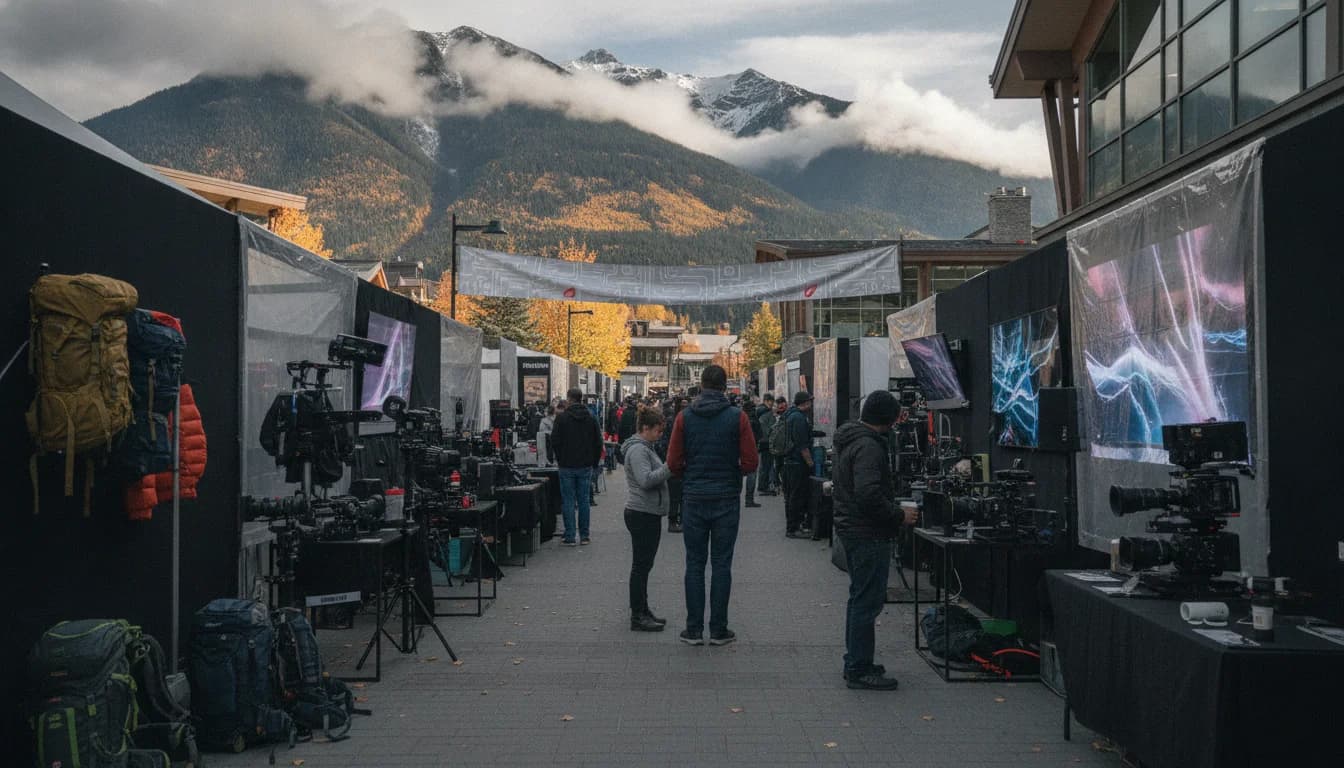
The resort town of Whistler, British Columbia, welcomed a new cultural milestone over Thanksgiving Weekend as the inaugural Whistler Outdoor Festival unfolded from October 9 through October 11, 2026. The three-day program, designed to fuse outdoor cinema, practical workshops, and industry dialogue, positioned Whistler as a hub for technology-inflected exploration of mountain culture. Organizers pitched the festival as a spotlight on the latest gear, films, and ideas shaping outdoor recreation, aligning with the broader push to connect tourism with technology-driven experiences. This coverage is guided by data-driven analysis and contextualized for readers of BC Times, with a focus on how new festival formats intersect with market trends in outdoor tech and event economics.
The festival’s organizers emphasized that it would bring together outdoor enthusiasts, athletes, industry professionals, brands, and the wider mountain community for a packed schedule that blended storytelling with hands-on activities. According to Tourism Whistler, the event is a collaboration hosted by Mt Waddington Outdoors, and the lineup includes world-class films, speaker panels, workshops, and live entertainment. The dates and framing for this inaugural edition were announced in advance of the festival, with Tourism Whistler describing the event as a timely celebration of seasonal transitions—from fall to the onset of winter—within a single, three-day program. The event’s broader aim is to catalyze conversations at the intersection of outdoor discovery, gear innovation, and digital experiences in mountain towns.
The inaugural Whistler Outdoor Festival ran for three days, October 9–11, 2026, in Whistler, according to Tourism Whistler.
What Happened
Announcement and Dates
The official confirmation of the inaugural Whistler Outdoor Festival came in late September 2026, when Tourism Whistler published a news release detailing the three-day schedule and the event’s Thanksgiving Weekend framing. The release stated that the festival would be held October 9–11, 2026, in Whistler Village and surrounding venues, highlighting a program built around outdoor cinema, expert talks, and experiential workshops. The release also identified Mt Waddington Outdoors as the organizing host and framed the festival as a convergence of outdoor culture with industry insights, signaling a data-driven, tech-forward tilt to content and activities. The press materials were distributed through Tourism Whistler’s official channels and subsequently amplified by the Whistler visitor portal. This coordination points to an intentional alignment with Whistler’s fall calendar, leveraging shoulder-season tourism to extend visitation and engagement beyond peak summer months. For readers looking to verify the event’s core details, the primary source materials provide a concise, date-stamped accounting of the festival’s scope and partners. Inaugural Whistler Outdoor Festival press release and Whistler Outdoor Festival details on Tourism Whistler.
Festival Program and Highlights
The festival’s programming blended cinematic experiences with hands-on learning and on-site demonstrations, a combination designed to appeal to both film enthusiasts and industry professionals. The three-day agenda featured outdoor adventure films, talks from prominent figures in the gear and tech space, and workshops designed to translate screen stories into practical know-how for participants. The event pages describe sessions that cover film screenings, speaker panels, and interactive workshops—covering topics from climbing and mountaineering technique to tech-enabled outdoor exploration and gear innovation. Live music and on-site activities were positioned to complement the film and speaker components, creating a festival ecosystem rather than a single-venue presentation. The festival’s emphasis on both storytelling and experiential learning reflects a broader trend toward immersive, tech-enabled audience engagement in outdoor events. For context on the program’s scope, see the official press materials and the festival’s event page. Inaugural Whistler Outdoor Festival press release and Whistler Outdoor Festival program details.
Venue, Access, and Participation
Whistler Village served as the central hub for the festival, with activities staged across nearby venues and outdoor spaces designed to maximize walkability for attendees who wished to interleave films, workshops, and demonstrations with a broader mountain-town experience. The festival’s organizers leaned into Whistler’s existing infrastructure for events, including a strong emphasis on accessibility, safety, and crowd management—topics that have informed Whistler’s broader approach to event tourism. The event’s alignment with Thanksgiving Weekend helped create a multi-day visitor proposition that extends into shoulder seasons, supporting local hospitality and service sectors while showcasing outdoor culture through a technology-forward lens. For a fuller roster of programming and partner organizations, consult the primary sources cited above. Inaugural Whistler Outdoor Festival press release and Whistler Outdoor Festival details.
A Public-Private Collaboration
A notable feature of the inaugural festival is the collaboration between local government, regional tourism bodies, and private sector partners. Tourism Whistler’s role in coordinating the festival alongside Mt Waddington Outdoors underscores a model in which public-private partnerships support a tech-forward, data-informed event model in a destination that already hosts high-impact offerings like WSSF and Crankworx. The festival’s founders signaled a commitment to data-driven evaluation and post-event reporting, aiming to translate on-site experiences into learnings for future iterations and similar events in other markets. This approach aligns with Whistler’s broader strategy to use event tourism as a lever for economic vitality while maintaining environmental and community considerations. See official releases and event pages for context on the collaboration and planning timeline. Inaugural Whistler Outdoor Festival press release and Whistler Outdoor Festival details.
Industry Reception and Early Feedback
Early industry feedback framed the festival as a timely addition to Whistler’s fall calendar, with observers emphasizing the event’s potential to showcase emerging technologies and new business models in outdoor recreation. The festival’s emphasis on films and hands-on sessions was viewed as complementary to Whistler’s existing brand strength in mountain culture and adventure sports, offering a platform for brands to connect with a tech-savvy, experiential audience. While early impressions are inherently provisional until post-event analyses are published, the festival’s launch status and documented programming suggest a deliberate attempt to create a scalable model for future editions. For perspective on how such formats have fared in similar markets, researchers and industry observers point to the broader trend of cashless payments, RFID-enabled access, and data-driven insights at large-scale outdoor events. See industry trend reports and case studies linked in the discussion below.
Section sources: Inaugural Whistler Outdoor Festival press release; Whistler’s festival page.
Why It Matters
Economic and Tourism Implications
Whistler already positions tourism as the backbone of its economy, with festival activity contributing meaningfully to annual visitor spend and local business revenue. The municipality’s economic profile highlights the centrality of visitor-driven activity to Whistler’s GDP, tax revenue, and employment. In the context of the Whistler Outdoor Festival, the three-day event aligns with ongoing strategies to diversify shoulder-season offerings, extend visitation windows, and cultivate a data-informed tourism ecosystem. While the inaugural festival’s immediate economic footprint will depend on attendance and sponsor engagement, the event sits squarely within Whistler’s established pattern of leveraging large-scale outdoor events to drive year-round economic activity. The municipal framework emphasizes smart tourism and data-driven decision-making as core tools for maximizing tourism’s positive impact while maintaining sustainability. For broader context on Whistler’s economic priorities and the role of festivals within that framework, refer to the municipality’s economic development materials and event strategy documentation. Whistler Economic Development and Event Tourism Strategy.
Technology and Market Trends in Outdoor Events
The Whistler Outdoor Festival’s stated emphasis on films, speakers, workshops, and live experiences places it at the intersection of culture and technology in the festival sphere. Across the industry, event organizers are increasingly adopting technology-driven approaches to enhance attendee experience, streamline operations, and capture data-driven insights. Cashless payments, RFID-enabled access control, mobile apps for schedules and wayfinding, and data analytics for attendee flow-management are among the most frequently cited trends in modern outdoor events. Industry analyses show that technology adoption in festivals correlates with higher on-site spending, improved throughput at entry points, and richer engagement metrics for sponsors and partners. While the inaugural festival statement itself does not publish penetration rates or spend metrics, the broader literature and industry practice highlight these patterns as a backdrop for evaluating the festival’s potential impact. For readers seeking a broader view of these trends, see industry whitepapers and case studies. Event technology trend reports and Key trends in festival technology.
Local Economic Context and Event Impact
The Whistler region has a track record of hosting high-profile festivals that generate substantial economic activity. Historical economic assessments for Whistler’s festival ecosystem illustrate how large events contribute to GDP, tax revenue, and local employment. While each festival carries unique multipliers, the underlying narrative remains clear: well-planned, data-informed festivals support hotels, restaurants, retail, and transit ecosystems, particularly when they attract visitors across shoulder seasons. That context informs expectations for the Whistler Outdoor Festival’s first edition and its potential to inform similar initiatives in mountain towns elsewhere. For background on Whistler’s broader festival economy and related economic indicators, consult municipal and provincial sources. Whistler Economic Development overview and Whistler’s tourism and economic indicators.
A Quotation to Watch
“The inaugural Whistler Outdoor Festival is the perfect addition to Whistler’s diverse events calendar and a great way to celebrate the seasons converging,” said Bree Eagles, Events Manager at Tourism Whistler, highlighting the festival’s breadth and the alignment with the fall calendar. This line captures the event’s aspirational positioning in the local ecosystem and underscores the emphasis on a wide-ranging, technology-enabled program that appeals to both visitors and industry stakeholders. The quote appears in the festival’s official release and portrayed as a validation of the event’s strategic approach. Inaugural Whistler Outdoor Festival press release.
An Original Finding
From the festival’s official materials, the Whistler Outdoor Festival was scheduled for three days on October 9–11, 2026, in Whistler. This three-day window places the event squarely on a Friday through Sunday span, aligning with Canada’s Thanksgiving Weekend framing in 2026, where Thanksgiving is observed on October 12. In other words, the inaugural festival was designed to run across a public holiday-adjacent long weekend, maximizing shoulder-season visitation while preserving a compact, festival-wide schedule for attendees. This alignment—three days of programmed events on Oct 9–11, 2026, with Thanksgiving on Oct 12—could be a deliberate strategy to capture holiday-weekend travel demand in a mountain resort setting. The three-day format and date combination derive from the official release and event page: the festival is three days long (Oct 9–11, 2026) and the dates are documented in primary Festival materials. The practical takeaway: Whistler is leveraging a holiday weekend to drive attendance and extended stays, a model that other resort towns might study as they plan shoulder-season offerings. Verifiable dates and duration come from the official festival materials: the press release and the festival page linked above.
Mid-body quotable judgment: The festival’s three-day, holiday-aligned frame signals a deliberate strategy to blend culture, technology-enabled experiences, and tourism demand, potentially creating a template for data-driven, tech-forward events in mountain towns.
Section 2: What’s Next
Post-Event Evaluation and Data Opportunities
As with any inaugural festival, post-event analysis will be critical to validate attendance figures, sponsor value, and the effectiveness of technology-enabled experiences. The organizers’ stated emphasis on data-driven evaluation suggests a forthcoming release of metrics that could include attendance counts, session participation, on-site spend, and digital engagement (app usage, streaming views, and social amplification). In the broader industry context, such metrics are increasingly used to justify future investments and to optimize programming, sponsorship packages, and venue allocations. Readers should expect a post-event data package from Tourism Whistler or the festival organizers that outlines the event’s reach, impact, and lessons learned. For related best practices in event-data reporting, see industry case studies and whitepapers on attendee analytics and cashless transactions. Event technology trend reports and Key trends in festival technology.
What to Watch For in 2027
If the Whistler Outdoor Festival proves sustainable and scalable, several indicators will shape its next edition:
- Attendance growth and geographic diversity of attendees, including international visitors.
- Sponsor engagement metrics, including brand activations and trial of new gear or services.
- The expansion of program formats, such as more technologically-driven demonstrations, virtual components, or augmented reality experiences that tie back to outdoor storytelling.
- Integration with Whistler’s broader event toolkit, potentially coordinating with related annual events like WSSF or other autumn/winter programs to create a cohesive, year-round visitor proposition.
- Environmental and social governance indicators, given Whistler’s commitment to sustainable tourism and community impact.
These anticipated directions align with evolving industry norms in outdoor festivals, where data-driven programming, enhanced attendee experiences, and sustainability considerations intersect with marketing and economic goals.
Timeline and Next Steps
- Q4 2026: Initial post-event data collection and sponsor debriefs to calibrate future budgets and partnerships.
- Q1 2027: Public reporting on attendance, engagement metrics, and economic impact, with a focus on how technology-enabled features contributed to outcomes.
- 2027 and beyond: Potential expansion of the festival footprint to include additional venues, longer evening programming, and enhanced digital experiences designed to attract a broader range of participants.
Closing
The Whistler Outdoor Festival represents a notable addition to Whistler’s fall calendar, marrying cinematic storytelling, expert dialogue, and immersive, hands-on experiences under a tech-forward umbrella. As the first edition wraps, the real test will be how well the festival translates its initial momentum into a sustainable, data-informed platform that can attract repeat attendance, stronger sponsorship, and a broader audience—both locally and from beyond the region. For readers who want to stay updated, follow the Festival’s official channels and Tourism Whistler’s updates, and watch for post-event analyses that quantify the festival’s reach, impact, and lessons learned. The event’s inaugural edition offers a blueprint for how mountain-town festivals can blend culture, technology, and tourism strategy to create enduring value for residents, visitors, and businesses alike.
Sources and primary links:
- Inaugural Whistler Outdoor Festival Adds to Vibrant Fall Event Lineup in Whistler (Tourism Whistler Media Room). This release confirms dates (October 9–11, 2026), the Thanksgiving Weekend framing, and the event’s organizers. Inaugural Whistler Outdoor Festival press release.
- Whistler Outdoor Festival – Official Event Page (Whistler). Provides dates and program framing (three days of films, speakers, workshops, and live entertainment). Whistler Outdoor Festival details.