News
BC Place Drew 367,479 Fans for Seven World Cup Matches
BC Place drew 367,479 fans across seven World Cup matches in Vancouver.
By Craig Burrows · August 20, 2026 · 9 min read
 By Craig Burrows · August 20, 2026 · 9 min read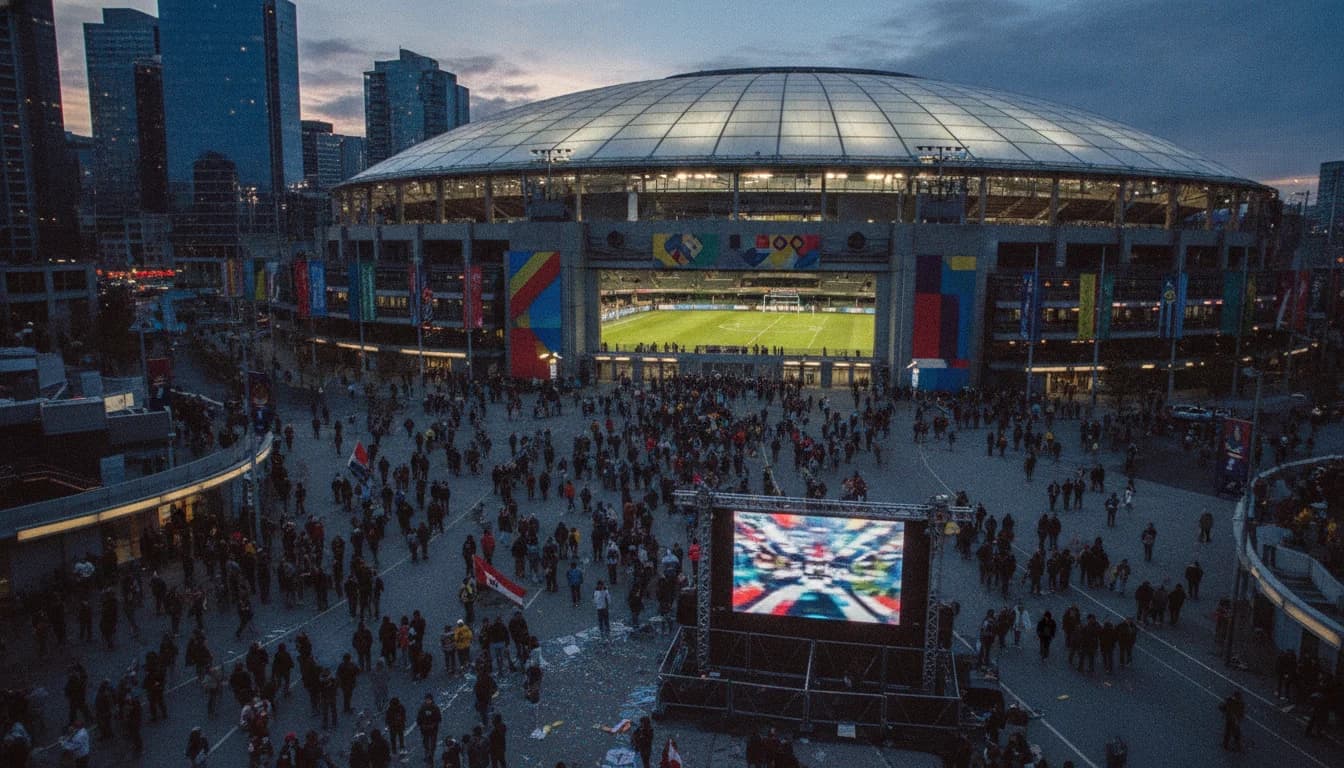
BC Place Vancouver figureheads a milestone in World Cup 2026, reflecting a city-wide convergence of sports, technology, and tourism. BC Place’s seven-match footprint in the tournament culminated in a total World Cup Vancouver attendance of 367,479 fans, marking a standout indicator for how large-scale events intersect with venue tech, transit, and local economies. BC Place Vancouver hosted seven World Cup 2026 matches from June 13 to July 7, 2026, and the total attendance figure was released by FIFA officials after the tournament’s Vancouver leg concluded. According to FIFA, 367,479 fans attended seven matches at BC Place Vancouver. This figure underscores not only the scale of this host-city engagement but also the evolving role of stadium infrastructure, digital tickets, and transportation networks in handling peak event demand. The figure’s release coincides with a broader municipal and provincial drive to quantify the World Cup’s economic and social footprint, including tourism spikes, job activity, and media viewership that extended beyond stadium walls. This data-driven snapshot matters for policymakers, venue operators, and technology vendors who are watching Vancouver as a test case for how to scale future mega-events with a focus on efficiency, safety, and measurable economic return.
Opening takeaway: World Cup Vancouver attendance illustrates how technology-enabled experiences, robust transit planning, and coordinated public-private investment can transform a major sports event into a multi-week urban mobilization. As Vancouver closes this chapter, stakeholders will look to the data not just to celebrate the turnout, but to calibrate future strategies around fan experience, venue upgrades, and the broader market signals that accompany high-profile global events. The following sections unpack what happened, why it matters for technology and markets, and what comes next for Vancouver and other host cities.
What Happened
Seven Matches at BC Place Vancouver
FIFA designated BC Place Vancouver as a centerpiece venue for the World Cup 2026, announcing that the stadium would host seven matches, including two Canadian group-stage fixtures and two knockout games. This allocation created a dense timetable for a compact downtown venue, with events concentrated over roughly a month. The seven-match slate ran from June 13 through July 7, 2026, transforming BC Place into a hub for fans arriving from across Canada and around the world. The official attendance accounting confirms that BC Place Vancouver welcomed a total World Cup Vancouver attendance of 367,479 spectators for those seven matches. This figure—compiled and released after the tournament’s Vancouver leg—reflects the verified headcount scanned at entry points and within the stadium footprint, aligning with FIFA’s public reporting framework. The attendance total is notable not only for its size but for the way it was measured and communicated as part of FIFA’s standard operating procedures for mega-events. The attendance tally was accompanied by broader city-wide data on travel, accommodations, and viewer engagement, illustrating how Vancouver’s venue strategy integrated with regional infrastructure planning. (Source: FIFA numbers cited by Vancouver-host communications and official FIFA reporting.) (vancouverfwc26.ca)
Early Sell-Out and Per-Match Variability
One of the tournament’s defining moments for Vancouver came early in the run when BC Place’s opening match sold out, delivering a full-house attendance figure of 52,497 fans. This sell-out highlighted the city’s immediate readiness to absorb peak demand through coordinated ticketing, security, and transit operations. The sold-out status also underscored the market’s appetite for live soccer during a World Cup hosted across three nations, intensifying the sense of occasion and local enthusiasm. Police and city reporting confirmed that the debut match proceeded without major incidents, reinforcing Vancouver’s readiness to handle high-density crowds through established policing, safety protocols, and event management practices. These early numbers and safety assurances provided a template for later matches, where attendance varied by matchup, ticket allocations, and fan behavior patterns around fan zones and auxiliary events. The first-match attendance and safety notes were reported by local outlets and corroborated by official city and police communications. (Sources: police report on the first game at BC Place; Global News coverage of the sold-out opener.) (globalnews.ca)
Tech Upgrades and Fan Experience Enhancements
In the months leading up to the tournament, BC Place Vancouver underwent major upgrades designed to enhance the World Cup experience, with a focus on safety, accessibility, and digital engagement. The upgrades included stadium modernization efforts and expanded activation spaces around the venue, enabling a more seamless flow for fans arriving and departing around match days. FIFA’s own communications highlighted these upgrades as part of a broader set of enhancements across host venues to support the logistical demands of seven matches in Vancouver. In parallel, the Vancouver organizers embraced a “Know Before You Go” information campaign to help visitors navigate transit, security, and local services, reflecting a data-driven approach to crowd management and visitor experience. These technology-driven initiatives are part of a larger trend in which host cities pair venue modernization with real-time information ecosystems to improve throughput, reduce friction, and maintain safety standards. (Sources: FIFA and BC government communications on venue upgrades; BC government Know Before You Go campaign.) (inside.fifa.com)
Why It Matters
Economic and Tourism Impacts
World Cup Vancouver attendance figures feed into a broader assessment of the tournament’s economic and tourism effects. The attendance data points, combined with audience reach and viewer engagement, inform estimates of direct spending in hospitality, retail, and services, as well as indirect benefits tied to branding and city-wide tourism. A government-commissioned analysis prepared ahead of the event forecasted substantial visitor activity and tourism-related revenue streams tied to World Cup 2026, including an estimated tail of economic activity in the post-event period. Notably, a government-facilitated study projected positive impacts on local businesses and communities as Vancouver and British Columbia welcomed fans and participants from across the world. While the specific post-event economic figures require ongoing analysis, the attendance figure at BC Place Vancouver is a key data point that supports the conclusion that the World Cup generated measurable benefits for local commerce, transportation networks, and entertainment sectors. (Sources: Destination BC economic impact assessments; BC government release on event economics.) (archive.news.gov.bc.ca)
Broadcast Viewership and Media Reach
The World Cup’s global media footprint amplified Vancouver’s market signals beyond in-venue attendance. Canada’s national broadcast audience for the Canada–Qatar group-stage match—watchable by millions—exemplified the event’s broad reach, complementing on-site attendance with substantial national and international viewership. The 11.7 million viewers nationwide for Canada’s Canada–Qatar match highlighted the tournament’s capacity to drive media engagement and digital interaction beyond stadium walls. This level of interest supports a longer-term business case for city-hosted events, where media exposure and tourism synergies can compound the economic return. (Source: BC government/Destination BC communications summarizing broadcast viewership milestones.) (news.gov.bc.ca)
Transportation and Urban Mobility Impacts
A major facet of World Cup Vancouver attendance is how it reshaped urban mobility and transit patterns. Transit agencies reported peak usage aligned with match days, particularly around the BC Place precinct. The event-driven transit surge—paired with festival and fan zone activity—demonstrated both the strengths and the constraints of existing transit capacity. Reports from TransLink showed notable increases in ridership on match days, reflecting fans’ reliance on public transit to access venues and related events. The transit data provide a practical measure of the city’s ability to scale mobility services during mega-events and offer a benchmark for future planning in similar markets. (Source: TransLink ridership report for World Cup-related activity.) (translink.ca)
Market and Technology Implications for Stadium Operators
The Vancouver World Cup experience illuminated how modern stadiums can balance capacity, safety, and fan experience with sophisticated technology platforms. The upgrade program at BC Place Vancouver, along with enhanced activation spaces, demonstrates a model for future venues seeking to optimize operational efficiency and revenue opportunities during large events. The integration of Know Before You Go information, digital wayfinding, and real-time crowd-management tools points to a broader trend in which venues become data-driven ecosystems rather than static shells. The lessons from Vancouver’s seven-match run can inform other stadium operators and cities evaluating similar mega-events, especially in terms of how technology, transit coordination, and community engagement converge to improve outcomes. (Sources: FIFA- and PavCo-led venue upgrade announcements; BC government Know Before You Go materials; transit data.) (inside.fifa.com)
What’s Next
Long-Term Legacy and Economic Tail
Looking beyond the final whistle on July 7, 2026, Vancouver’s World Cup experience is expected to produce a multi-year legacy affecting tourism, hospitality, and city branding. Provincial and municipal analyses highlighted the “long tail” benefits, including increased visitation in the years following the event and sustained interest in Vancouver as a premier host city for major sporting events. Government-backed projections, while contingent on broader travel trends, point to continued economic activity spurred by the World Cup’s visibility and the enhanced international profile of the city. Analysts are watching how the post-event phase translates into sustained visitor numbers, hotel occupancy, and per-visitor spending in downtown Vancouver and adjacent neighborhoods. (Sources: Destination BC and provincial government post-event projections; follow-up economic impact reporting.) (destinationbc.ca)
Operational Learnings for Future Host Cities
The Vancouver experience offers a rich set of operational learnings for future host markets. Key takeaways include the importance of upfront venue upgrades to accommodate increased capacity and modern security requirements, the value of a robust “Know Before You Go” information program to reduce friction for visitors, and the critical role of integrated transit planning to handle surge demand on match days. Cities that aim to host large-scale events can study Vancouver’s approach to aligning stadium infrastructure, public information campaigns, and transit services to deliver a smoother, safer, and more engaging fan experience. These elements are essential not only for on-site satisfaction but also for shaping public perception of the event’s efficiency and the host city’s capability to manage complex, multi-day celebrations. (Sources: FIFA venue upgrade announcements; BC government and transit agency communications.) (inside.fifa.com)
What to Watch in the Market for Mega-Event Hosting
As Vancouver and British Columbia reflect on the World Cup 2026 experience, several market signals will be watched closely by event organizers, venue operators, and local businesses:
- Attendance sustainability: Will future host events achieve similar or higher attendance figures, given ongoing demand and the region’s capacity to attract international visitors?
- Digital engagement ROI: How will fan engagement platforms deployed for World Cup 2026 translate into longer-term ticket sales, membership growth, and enhanced data collection for marketing and operations?
- Transportation and mobility innovations: Can the transit systems maintain or improve efficiency during peak events, and how will this shape future investments in public transportation, cycling infrastructure, and urban space for crowds?
- Long-tail economic impacts: Will the “post-event” economic benefits—such as tourism, hospitality revenue, and local business activation—be as pronounced in the years after the event, and what policy tools maximize positive outcomes?
- Venue modernization as a template: Will other venues adopt Vancouver’s upgrade strategies to support larger, more complex events, including security, accessibility, and fan amenities? (These watchpoints are informed by Vancouver’s post-event assessments and industry analyses published by government agencies and industry outlets.) (destinationbc.ca)
Closing
The World Cup 2026 in Vancouver delivered a clear signal about how a city can leverage a mega-event to validate and accelerate investments in stadium technology, transit coordination, and tourism marketing. The 367,479 World Cup Vancouver attendance tally at BC Place Vancouver across seven matches is more than a headline number; it is a data-driven beacon illustrating how well-orchestrated infrastructure and information systems can handle high-density, multi-faceted events while generating measurable economic and social benefits. As Vancouver looks to build on this momentum, the city’s approach—grounded in transparency, collaboration, and rigorous data reporting—provides a practical blueprint for other host cities navigating the complex, opportunity-rich landscape of global sport and urban transformation.
Readers who want the latest updates on World Cup 2026 developments, venue improvements, and post-event economic analyses can follow official FIFA communications, Destination BC updates, and municipal and provincial government briefings. These sources will continue to provide the official numbers, contextual commentary, and forward-looking assessments that inform businesses, residents, and fans alike as Vancouver’s World Cup chapter becomes a lasting part of the city’s history.