News
Phillips Acquires Lighthouse Beer Brands
Phillips acquires Lighthouse Beer Brands in January 2026, preserving local craft production and signaling a new chapter for Vancouver Island beers.
By Nina Kowalski · August 21, 2026 · 10 min read
 By Nina Kowalski · August 21, 2026 · 10 min read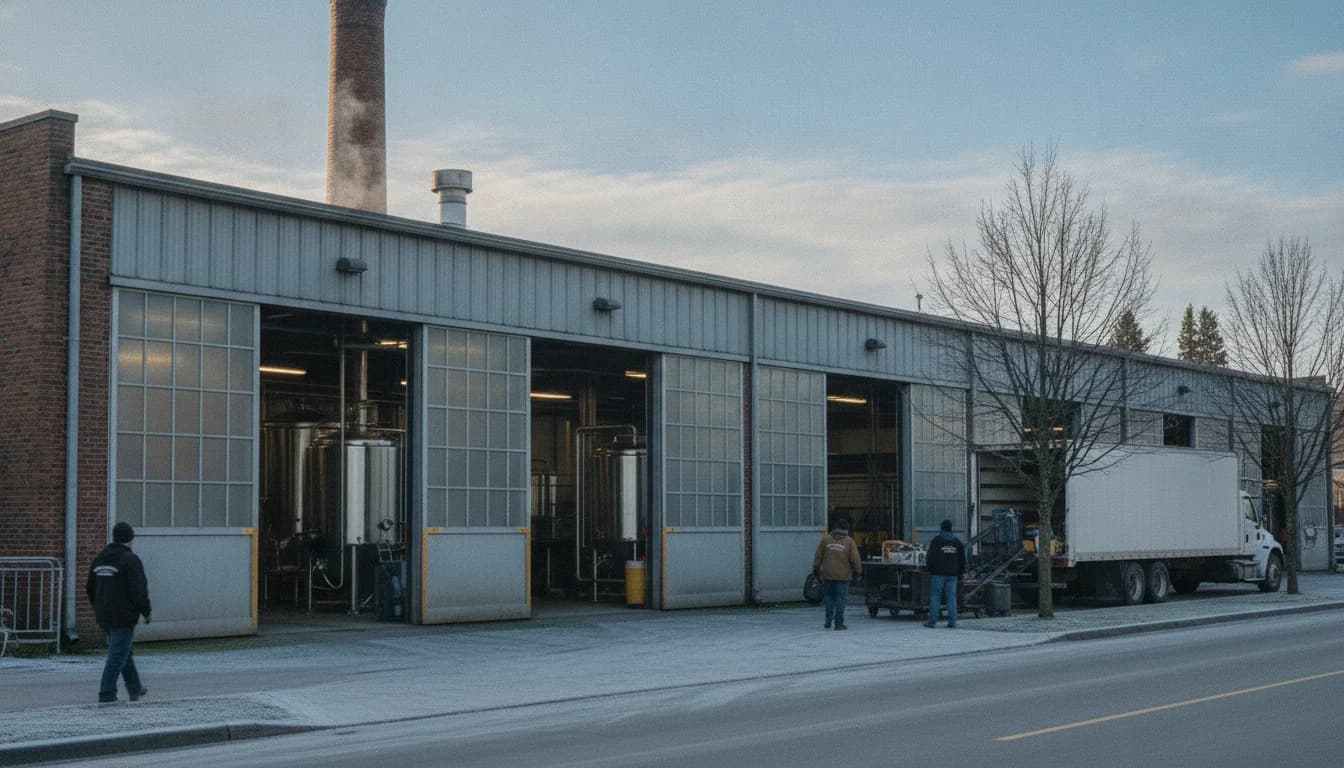
Phillips Brewing & Malting Co. has moved to preserve Lighthouse Beer Brands by taking over ownership of its local craft beer lineup, with the transition effective January 25, 2026. The shift follows Lighthouse Brewing Co.’s decision to shut down its Esquimalt brewery, a move prompted by ongoing economic pressures and industry headwinds. In practical terms, Phillips will assume responsibility for brewing, packaging, marketing, and selling Lighthouse beers, ensuring that staples like Shipwreck IPA, Race Rocks Amber Ale, and Company Lager remain part of the Victoria beer scene under a new ownership umbrella. This development marks a notable moment in British Columbia’s craft beer landscape as a legacy brand transitions within a local brewing family. According to Phillips’ announcement, the deal aims to maintain Lighthouse’s local production and historical identity even as leadership changes hands. The central fact of the deal—Phillips Brewing & Malting Co.’s acquisition of Lighthouse Beer Brands and IP in January 2026, with the transition taking effect on January 25, 2026—has been documented by Phillips and corroborated by Lighthouse itself.
For fans and retailers, the immediate impact is clear: Lighthouse beers continue to be produced in Victoria, but under Phillips’ manufacturing and distribution framework. Lighthouse’s own site notes that Phillips “acquired the Lighthouse beer brands and IP in January 2026, keeping the portfolio locally made in Victoria and helping ensure these iconic beers continue to be enjoyed for years to come,” while Phillips’ press material emphasizes the continuity of existing Lighthouse products in the local market. The arrangement preserves Lighthouse’s regional identity and allows Phillips to leverage its broader distribution network to sustain the brand’s presence in the region. The early statements from both sides underscore a shared objective: maintain the Lighthouse legacy while enabling scale and operational stability through Phillips’ established infrastructure.
What Happened
Deal Outline and Parties
Lighthouse Brewery’s Esquimalt operations are transitioning out, with the Lighthouse brand and IP sold to Phillips Brewing & Malting Co. Phillips will take over ownership of the Lighthouse beer brands, including naming rights and recipes, and will assume responsibilities for brewing, packaging, marketing, and sales moving forward. The formal announcement frames this as a strategic move to safeguard Lighthouse’s legacy within a local, Victoria-based production footprint. This understanding is echoed across Phillips’ official release and Lighthouse’s public statements.
The terms of the arrangement indicate that Lighthouse’s popular lineup will be produced and distributed by Phillips going forward, preserving a locally produced product line for Vancouver Island and coastal British Columbia consumers. While Lighthouse closes its own brewery, Phillips’ governance over the Lighthouse portfolio promises continuity for drinkers who have followed the brand for years. The commitment to maintain local production is highlighted by Lighthouse’s assertion that the Lighthouse beers will remain “locally made in Victoria.”
Timeline and Key Facts
January 20, 2026: Phillips Brewing & Malting Co. publicly announces its intention to purchase Lighthouse Beer Brands. The post frames the move in the context of ongoing industry challenges and Lighthouse’s decision to shut down its Esquimalt operations. The date alignment with Lighthouse’s January 2026 transition is reinforced by Lighthouse’ own communications. This date is corroborated by Phillips’ newsroom and Lighthouse’s site.
January 25, 2026: The effective date of the transition, when Lighthouse’s beer brands and IP begin operating under Phillips. This date is specified in Phillips’ release as the moment the ownership and operational responsibilities transfer, marking the official start of Phillips’ stewardship of Lighthouse beers in the market. The Lighthouse portfolio will now be brewed, packaged, marketed, and sold by Phillips going forward.
Beers in the Lighthouse lineup: Shipwreck IPA, Race Rocks Amber Ale, and Company Lager are explicitly named as core Lighthouse offerings that will continue to be part of Phillips’ production and distribution. The continuation of these brands in Victoria is a central element of the acquisition narrative. Phillips’ communications indicate these beers will carry forward within Phillips’ broader portfolio.
Beers in Transition and Brand Equity
- Lighthouse’s Shipwreck IPA, Race Rocks Amber Ale, and Company Lager have long commanded a loyal local following on Vancouver Island. The transition aims to preserve those relationships while leveraging Phillips’ supply chain, bottling, and marketing capabilities. Lighthouse emphasizes the continuity of the brand’s identity in Victoria, and Phillips frames the move as an opportunity to invest in Lighthouse’ enduring traditions while expanding the reach of the portfolio. This balance between heritage and scale is a recurring theme in the deal narrative. The public materials emphasize that Lighthouse’s legacy remains intact, even as production is realigned under Phillips.
Why It Matters
Local Production and Continuity
The acquisition centers on keeping Lighthouse beers brewed in Victoria and maintaining brand continuity for local consumers. Lighthouse’s own “Our Story” communications note that Phillips will oversee the Lighthouse line, with a local production emphasis designed to preserve the beer’s character and regional identity. The emphasis on “locally made in Victoria” is not merely branding; it reflects a strategy to anchor Lighthouse within a familiar regional ecosystem even as ownership changes.
For a long-standing Island brand, the move helps mitigate the risk of brand erasure amid brewery closures and portfolio consolidation. Lighthouse had operated for 27 years before the transition, with a deep connection to the Vancouver Island beer scene. The Phillips announcement frames the acquisition as a means to safeguard that connection while providing stability for the beers and the communities that have supported Lighthouse over the years. The historical context—Lighthouse’s long-running presence on the Island—helps readers understand the significance of the transfer in a market where local identity matters to consumers.
Market Position and Brand Equity
Phillips’ acquisition strategically expands its footprint on Vancouver Island by absorbing Lighthouse’s portfolio into an established regional brewer’s distribution network. This consolidation aligns with a broader industry pattern where legacy and craft brands seek to preserve local flavor while achieving scale through collaboration with larger regional operators. In Phillips’ view, Lighthouse complements its existing lineup, enabling enhanced marketing resources and cross-brand storytelling within a single commercial ecosystem. The public statements from Phillips describe Lighthouse as a portfolio with “time-honored traditions,” which Phillips intends to honor while leveraging its own brand-management capabilities.
The public communications also underscore the importance of leadership continuity in the brand’s future. Jim Lister, President of Phillips, is quoted emphasizing the brand’s heritage and the respect for Lighthouse’s traditions, while signaling commitment to invest in the Lighthouse portfolio’s ongoing success. This kind of leadership continuity is often cited by industry observers as a critical factor in successful integrations, particularly when consumer sentiment toward a legacy brand remains strong. The commentary from Phillips’ leadership provides a lens into how the combined entity intends to position Lighthouse within a broader craft beer strategy.
Community and Employee Implications
Lighthouse’s closure of its Esquimalt brewery and the transfer of its brands to Phillips is a development with real local implications. While the production and marketing responsibilities shift to Phillips, the closing of the Lighthouse brewing site itself has broader effects on local employment and supplier relationships. Reports from local industry groups and regional outlets note the brewery shutdown as a pivotal moment for Vancouver Island’s craft scene, with Phillips stepping in to preserve the brand’s footprint in the region. The dynamic illustrates a common pattern in regional beer markets where legacy brands seek to maintain consumer access while adjusting to the realities of cost pressures, strikes, and supply-chain disruptions. Readers should watch for any new workforce announcements or local partnerships as Phillips completes the operational handover.
The BC craft beer ecosystem has historically valued independent, local production. Observers may interpret this move as a test case for how a larger regional brewer can steward a smaller, storied brand while maintaining community ties. While Lighthouse’s own communications emphasize continuity of the product and its production in Victoria, industry analyses suggest the success of such transitions often hinges on maintaining local engagement—through tasting rooms, local marketing, and sustained distribution in regional retailers. The combination of Lighthouse’s local heritage with Phillips’ scale creates a narrative about preserving craft identity in a market increasingly influenced by consolidation.
What’s Next
Timeline and Next Steps
Short term (Q1–Q2 2026): Phillips takes over manufacturing and distribution of Lighthouse beers in the Victoria region, integrating Lighthouse formulations into its brewing roster. Expect incremental changes in packaging, labeling alignment, and coordinated marketing campaigns that leverage Phillips’ broader brand platform while honoring Lighthouse’s legacy. The transition is framed as a phased handover rather than an abrupt shutdown, with ongoing sales channels continuing to stock Lighthouse products during the integration. The official statements emphasize a seamless customer experience with no disruption to retailers or consumers in the immediate term.
Medium term (late 2026): Phillips may explore cross-brand promotions and potentially cross-distribution within its Western Canada footprint, while maintaining Lighthouse’s distinct flavor profile in the local market. Observers will be watching for whether Lighthouse packaging, point-of-sale materials, or on-premise menus begin to reflect a unified Phillips look or maintain a separate Lighthouse identity within Phillips’ portfolio. Any brand integration moves will likely be evaluated against consumer reception and local retailer partnerships.
Next Steps for Stakeholders
Retailers and distributors should expect continued availability of Lighthouse beers in Victoria, but with Phillips’ logistical and packaging processes in place. The transition is designed to minimize supply disruptions and preserve shelf presence for Lighthouse products. Retailers may see updated labeling or co-branded promotions as Phillips aligns Lighthouse with its broader product family. The company communications highlight a focus on stability and continuity for the Lighthouse line as a key objective of the integration.
Employees and local communities should monitor for formal statements from Lighthouse’s former workforce and Phillips’ leadership regarding any shifts in staffing or new opportunities within Phillips’ Victoria operations. While Lighthouse is exiting as a separate brewery operation, Phillips’ role as the steward of Lighthouse beers will define the post-transition employment landscape, including whether new roles arise in production, packaging, marketing, or distribution within Phillips’ local operations.
What It Means for the BC Craft Beer Landscape
The Lighthouse acquisition by Phillips signals a notable shift in how legacy regional brands navigate a rapidly evolving craft beer sector. As more breweries consolidate capabilities to weather supply-chain volatility and rising costs, the Lighthouse case may be cited as an instance of preserving regional heritage within a larger regional brewing framework. Observers will likely track how well the Lighthouse brands maintain their distinct identity while benefiting from Phillips’ broader market reach and operational efficiencies. This balance between heritage and scale is a recurring theme in craft beer market dynamics, and the Lighthouse transition offers a concrete, local example of how that balance can be pursued.
From a consumer perspective, the change is largely transparent in the short term. Shipwreck IPA, Race Rocks Amber Ale, and Company Lager are expected to remain available in the Victoria area, now produced under Phillips’ facilities and processes. For readers who value local production and historical brand stories, the acquisition preserves a familiar product story while aligning it with a regional brewer known for its own long-standing presence on Vancouver Island. The convergence underscores how local brands can endure even as corporate ownership shifts, provided the product quality, local ties, and consumer trust are maintained.
What’s Next (Continued)
- Phillips may also face opportunities to extend Lighthouse’ distribution beyond Greater Victoria, leveraging its existing network and relationships to introduce Lighthouse beers to markets where Phillips already operates. If pursuit of broader distribution is on the table, retailers will watch for any announcements regarding regional expansions, new packaging formats, or seasonal releases that tie Lighthouse more closely to Phillips’ year-round lineup. The public disclosures to date emphasize continuity in the Lighthouse brand’s core offerings, while leaving room for strategic growth in line with Phillips’ broader business strategy.
Closing
The Lighthouse transition, anchored by Phillips’ acquisition of the Lighthouse beer brands and IP in January 2026, represents more than a brand-name shift. It exemplifies how regional craft players are adapting to a rapidly evolving landscape by marrying heritage with scale, ensuring iconic local beers remain on shelves and taps while benefiting from enhanced operational support. For readers, this means continued access to Lighthouse favorites and a clearer sense of how local brewing ecosystems can evolve without sacrificing character.
As the market continues to watch, the Victoria beer scene will be a focal point for outcomes from this deal. Phillips has framed the move as an investment in a legacy brand and a commitment to the local community, while Lighthouse supporters gain the reassurance that their beloved beers will endure in a familiar, locally produced form. To stay informed about further developments, readers can follow Phillips Brewing’s news updates and Lighthouse’s public communications, which together document the ongoing integration journey and any new milestones that emerge in 2026 and beyond.